For any home cook, the Dutch oven stands out as an indispensable kitchen tool. With its robust construction and exceptional heat retention, this deep, lidded pot effortlessly transitions from stovetop searing to oven baking, making it a true culinary powerhouse. Among the various sizes available, the 6-quart Dutch oven consistently emerges as the “sweet spot” for most households, offering a perfect balance of capacity and manageability. Whether you’re a seasoned chef or just beginning your culinary journey, understanding the nuances of this versatile pot can transform your cooking, making it easier to prepare everything from hearty stews and succulent roasts to artisan bread and comforting one-pot meals. This comprehensive guide will explore why a 6-quart Dutch oven is an absolute must-have and help you navigate the choices to find your ideal companion.
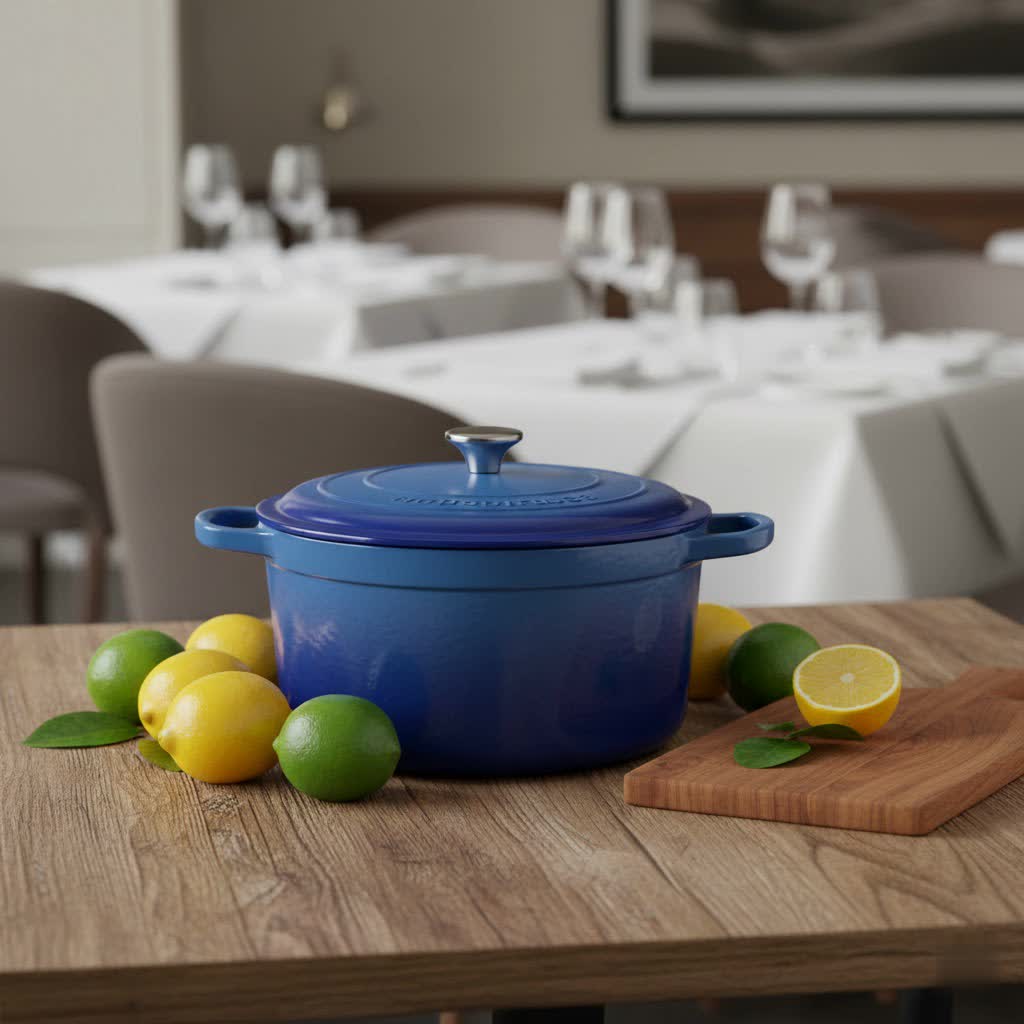
What is a Dutch Oven? Why Do You Need One?
A Dutch oven is a heavy-gauge cooking pot, typically made from cast iron, designed with thick walls and a tight-fitting lid. Its primary function is to provide even heat distribution and retention, creating a consistent cooking environment that’s perfect for slow cooking, braising, baking, and simmering. The sealed environment created by the heavy lid traps moisture and flavors, resulting in incredibly tender and flavorful dishes. Historically, these pots were used over open fires, but modern versions are crafted for both stovetop and oven use.
The advantages of incorporating a Dutch oven into your cooking repertoire are numerous. For the popular 6-quart size, its generous capacity allows you to prepare family-sized meals for 4-6 people, handle a whole chicken, or bake a substantial loaf of no-knead bread. Its ability to go from stovetop to oven means fewer dishes and more integrated cooking methods, while its superior heat retention keeps food warm long after it’s taken off the heat, ideal for serving. The 6-quart Dutch oven is truly the ultimate multi-tasker, simplifying complex recipes and excelling at everyday cooking.
Types of Dutch Ovens: Which One is Right for You?
When considering a 6-quart Dutch oven, the material is a key factor influencing performance, maintenance, and aesthetics. The three primary types you’ll encounter are cast iron, enameled cast iron, and, less commonly, aluminum.
Cast Iron Dutch Oven (Non-Enameled)
Traditional cast iron Dutch ovens are prized for their exceptional durability and unmatched heat retention. They are often less expensive than their enameled counterparts and can withstand very high temperatures, making them excellent for searing and even outdoor cooking over a campfire.
- Pros: Outstanding heat retention, incredibly durable, can last generations, develops a natural non-stick patina with seasoning, often more affordable.
- Cons: Requires regular seasoning to prevent rust and maintain its non-stick properties, reactive with acidic foods if not well-seasoned, heavier, needs careful cleaning to avoid stripping the seasoning.
|
Our Picks for the Best Dutch Oven in 2026
As an Amazon Associate I earn from qualifying purchases.
|
||
| Num | Product | Action |
|---|---|---|
| 1 | HomeVSS 5.5-Quart Enameled Cast Iron Dutch Oven with Lid & Dual Handles – Heavy-Duty for Bread Baking, Braising, Stews, Roasting, Oven & Induction Compatible, Red |

|
| 2 | Lodge 6 Quart Enameled Cast Iron Dutch Oven with Lid – Dual Handles – Oven Safe up to 500° F or on Stovetop - Use to Marinate, Cook, Bake, Refrigerate and Serve – Cornflower Blue |
|
| 3 | HomeVSS 5.5-Quart Enameled Cast Iron Dutch Oven with Lid & Dual Handles – Heavy-Duty for Bread Baking, Braising, Stews, Roasting, Oven & Induction Compatible, Orange |
|
| 4 | HomeVSS 5.5-Quart Enameled Cast Iron Dutch Oven with Lid & Dual Handles – Heavy-Duty for Bread Baking, Braising, Stews, Roasting, Oven & Induction Compatible, Blue |
|
| 5 | Lodge 6 Quart Enameled Cast Iron Dutch Oven with Lid – Dual Handles, Oven Safe up to 500°F, Stovetop Compatible – Marinate, Cook, Bake, Refrigerate & Serve – Oyster White |
|
| 6 | Lodge 6 Quart Enameled Cast Iron Dutch Oven with Lid – Dual Handles – Oven Safe up to 500° F or on Stovetop - Use to Marinate, Cook, Bake, Refrigerate and Serve – Blue |
|
| 7 | Lodge 6 Quart Enameled Cast Iron Dutch Oven with Lid – Dual Handles – Oven Safe up to 500° F or on Stovetop - Use to Marinate, Cook, Bake, Refrigerate and Serve – Burnt Sienna |
|
| 8 | Lodge 6 Quart Enameled Cast Iron Dutch Oven with Lid – Dual Handles – Oven Safe up to 500° F or on Stovetop - Use to Marinate, Cook, Bake, Refrigerate and Serve – Avocado |
|
| 9 | Lodge 6 Quart Enameled Cast Iron Dutch Oven with Lid – Dual Handles – Oven Safe up to 500° F or on Stovetop - Use to Marinate, Cook, Bake, Refrigerate and Serve – Cranberry |
|
| 10 | Lodge 6 Quart Enameled Cast Iron Dutch Oven with Lid – Dual Handles – Oven Safe up to 500° F or on Stovetop - Use to Marinate, Cook, Bake, Refrigerate and Serve – Apricot |
|
Enameled Cast Iron Dutch Oven
This popular variety features a vitreous enamel coating over the cast iron core, offering the benefits of cast iron without the demanding maintenance. Enameled Dutch ovens come in a vast array of colors, making them attractive serving dishes.
- Pros: Excellent heat retention and even distribution, no seasoning required, easy to clean, non-reactive with acidic ingredients, wide range of aesthetic options, suitable for both stovetop and oven.
- Cons: More prone to chipping or cracking if dropped or exposed to extreme temperature changes, generally more expensive, metal utensils can scratch the enamel, often heavier than other materials.
Aluminum Dutch Oven
While less common for traditional Dutch ovens, aluminum options offer a lightweight alternative. They conduct heat quickly but don’t retain it as well as cast iron.
- Pros: Lightweight, heats up rapidly.
- Cons: Poor heat retention compared to cast iron, less durable, not ideal for long, slow cooking or searing at very high temperatures.
Detailed Comparison Table of Dutch Oven Types
| Feature | Cast Iron (Non-Enameled) | Enameled Cast Iron | Aluminum |
|---|---|---|---|
| Heat Retention | Excellent | Good to Excellent | Average |
| Durability | Very High | High (enamel can chip) | Medium |
| Maintenance | Requires Seasoning | Easy to Clean (no seasoning) | Easy to Clean |
| Weight | Heavy | Heavy | Light |
| Price | Medium | High | Low |
| Acid Reactivity | Can react if unseasoned | Non-reactive | Non-reactive |
| Aesthetics | Rustic, traditional | Diverse colors, modern | Functional |
How to Choose a Dutch Oven: Key Factors
Selecting the perfect 6-quart Dutch oven involves considering several important factors to match your cooking style and needs.
Size and Capacity
A 6-quart Dutch oven is ideal for preparing meals for 4 to 6 people, making it perfect for most families or those who enjoy entertaining. It can easily accommodate a whole chicken (3-5 lbs), a large batch of stew, or a substantial pot roast. When in doubt, a slightly larger pot like a 6-quart is usually better than one that’s too small, providing ample space without being overwhelmingly bulky.
Material
As discussed, enameled cast iron is the most popular choice for its ease of use and versatility, blending the benefits of cast iron with simplified maintenance. Traditional cast iron is excellent for high-heat cooking and those who appreciate the ritual of seasoning. Consider your willingness to maintain the pot and the types of dishes you’ll prepare most often.
Brand
Several brands consistently receive high praise in the Dutch oven market.
- Lodge: Known for its quality and affordability, Lodge offers excellent value in both traditional cast iron and enameled cast iron. Their 6-quart enameled model is often lauded as a top budget-friendly option.
- Le Creuset: A premium French brand, Le Creuset is famous for its heirloom quality, vibrant colors, and exceptional performance. Their enameled cast iron Dutch ovens are a significant investment but built to last generations.
- Staub: Another high-end French brand, Staub is recognized for its heavy lids with self-basting spikes and a darker, textured interior that’s great for searing and hides stains. Staub’s 6-quart cocottes are often compared to Le Creuset for their superior cooking results.
Lid
A snug-fitting lid is crucial for trapping moisture and heat, which is essential for tender braises and moist bread. Some premium brands like Staub feature self-basting spikes on the underside of the lid, designed to collect condensation and drip it back onto the food, ensuring even moisture distribution.
Handles
Given the substantial weight of a 6-quart Dutch oven, especially when full, robust and easy-to-grip handles are paramount. Look for wide, looped handles that provide a secure grip, even when wearing thick oven mitts. This design detail significantly enhances safety and ease of use when transferring the hot pot from stovetop to oven or to the table.
Top 6-Quart Dutch Ovens Recommended Today
When it comes to the 6-quart Dutch oven, certain models consistently stand out for their performance, durability, and value. Here are a few top recommendations across different price points, all offering excellent functionality for family cooking.
Lodge 6-Quart Enameled Cast Iron Dutch Oven
This model is a favorite for its unbeatable combination of quality and affordability. It delivers excellent heat distribution and retention, making it perfect for searing meats, simmering stews, and baking bread. The enamel coating makes cleanup a breeze, though users recommend using wooden or silicone utensils to protect the surface. Many attest to its longevity, with some using it as their primary cooking vessel for years.
- Pros: Excellent value, reliable performance, easy to clean, sturdy construction.
- Cons: Enamel may be less chip-resistant than higher-end brands, some users note a smaller flat cooking surface.
Le Creuset 6.75-Quart Round Wide Dutch Oven (or similar 6-7 quart)
While Le Creuset’s most famous model is 5.5-quart, their slightly larger 6.75-quart or similar 6-7 quart round wide ovens are excellent for those needing extra capacity in the premium range. Known for its flawless enamel, superior heat retention, and beautiful design, a Le Creuset Dutch oven is often considered an heirloom piece. It excels at browning, braising, and baking, providing consistent, high-quality results.
- Pros: Exceptional durability and performance, beautiful design, wide range of colors, even heat distribution, comfortable handles.
- Cons: High price point, very heavy.
Staub 6-Quart Round Cocotte
Staub Dutch ovens are celebrated for their self-basting lids and dark, textured interior enamel, which enhances browning and hides stains. The 6-quart cocotte is a workhorse, performing exceptionally well for slow-cooked dishes, roasts, and soups. Its robust design and effective moisture retention make it a top choice for serious home cooks.
- Pros: Superior moisture retention (self-basting lid), excellent browning capabilities, durable interior enamel, elegant design.
- Cons: High price point, heavy, limited color options compared to Le Creuset.
Guide to Using and Caring for Your Dutch Oven
Proper use and maintenance are key to ensuring your 6-quart Dutch oven lasts a lifetime, performing beautifully for every meal.
Seasoning for Cast Iron Dutch Ovens
If you opt for a non-enameled cast iron Dutch oven, seasoning is crucial. This involves baking a thin layer of oil onto the surface to create a natural, non-stick, and rust-resistant finish. After each use, clean with hot water and a stiff brush (avoid soap for traditional cast iron), dry thoroughly, and apply a thin layer of cooking oil before storing.
Cleaning Your Dutch Oven Correctly
For enameled cast iron Dutch ovens, cleaning is much simpler. Allow the pot to cool completely before washing. Use warm, soapy water and a non-abrasive sponge or brush. For stubborn food residue, fill the pot with water and a tablespoon of baking soda, bring to a simmer, then gently scrape with a wooden spoon after cooling. Avoid abrasive cleaners, steel wool, or metal utensils, which can scratch or chip the enamel. While some enameled Dutch ovens are dishwasher safe, hand washing is generally recommended to preserve the finish.
Storing Your Dutch Oven to Prolong Its Lifespan
Store your Dutch oven in a dry place. For enameled models, you can place a paper towel between the pot and the lid to absorb any residual moisture and prevent chipping. For traditional cast iron, ensure it’s fully dry and lightly oiled before storing. Given their weight, store them on a sturdy shelf or in a cabinet where they won’t fall or damage other items.
Delicious Cooking Tips with Your 6-Quart Dutch Oven
The 6-quart Dutch oven’s versatility shines across a myriad of cooking applications, from everyday dinners to special occasion feasts.
Perfect for Hearty Stews and Braises
The thick walls and tight-fitting lid create the ideal environment for slow-cooked dishes. Start by searing your meat directly in the pot on the stovetop to build deep flavors, then add vegetables, liquids, and aromatics. Transfer to the oven for a long, gentle braise, resulting in incredibly tender meats and rich sauces. Think beef bourguignon, coq au vin, or a classic pot roast.
Roasting Made Easy
A 6-quart Dutch oven can comfortably hold a medium-sized chicken or a pork roast. The heavy lid helps to trap moisture, ensuring your roast remains juicy while developing a beautiful exterior. You can also roast vegetables alongside your protein for a complete one-pot meal.
Artisan Bread Baking
Many home bakers swear by their Dutch ovens for achieving bakery-quality bread with a crisp crust and chewy interior. The sealed environment simulates a professional steam oven, crucial for a good rise and crust development. Simply preheat your empty Dutch oven in a hot oven, then carefully drop in your dough, cover, and bake.
Beyond the Basics: Rice and One-Pot Wonders
This pot is also excellent for cooking large batches of rice, risotto, or even pasta dishes that cook entirely in the sauce. Its even heat helps prevent scorching, while the capacity is perfect for family-sized portions of creamy mac and cheese, chili, or a flavorful birria.
“A 6-quart Dutch oven is arguably the most versatile piece of cookware you can own. It’s the kitchen’s ultimate chameleon, adapting flawlessly to nearly any cooking task.” – Chef Elena Petrova, Culinary Educator
Where to Buy a Dutch Oven Reliably?
Investing in a quality 6-quart Dutch oven is a decision you won’t regret. You can find them at various reputable retailers.
Home Goods Stores
Major kitchenware and department stores often carry a selection of Dutch ovens, including popular brands like Lodge and sometimes Le Creuset or Staub. Shopping in person allows you to feel the weight, check handle comfort, and inspect the enamel finish.
Online Retailers and E-commerce Platforms
Websites like Amazon, Williams Sonoma, Sur La Table, and the official brand websites (Lodge, Le Creuset, Staub) offer a wider selection, competitive pricing, and often customer reviews that can guide your decision. Look for deals, especially around holidays. When buying online, always verify the seller’s reputation and review the return policy. Ensure the product descriptions clearly state the material, capacity, and care instructions.
Ultimately, choosing a 6-quart Dutch oven means investing in a piece of cookware that promises versatility, durability, and a lifetime of delicious meals.
Conclusion
The 6-quart Dutch oven truly stands as the quintessential cooking vessel for any home kitchen, striking an ideal balance between generous capacity and practical everyday use. Its ability to excel in everything from slow-cooked stews and perfectly braised meats to homemade artisan bread makes it an unparalleled investment for families and culinary enthusiasts alike. With a variety of materials and esteemed brands available, selecting the right 6-quart Dutch oven ensures you’re equipped for a lifetime of versatile cooking. By understanding the key features and committing to proper care, your chosen Dutch oven will not only simplify meal preparation but also inspire countless delicious creations. What culinary adventure will your 6-quart Dutch oven lead you on next?
Frequently Asked Questions
Is a 6-quart Dutch oven big enough for a whole chicken?
Yes, a 6-quart Dutch oven is typically large enough to comfortably accommodate a medium-sized whole chicken, usually weighing between 3 to 5 pounds, making it perfect for roasting.
What is the main difference between enameled and traditional cast iron Dutch ovens?
The primary difference lies in maintenance and reactivity. Enameled cast iron is easier to clean, non-reactive with acidic foods, and doesn’t require seasoning, while traditional cast iron demands regular seasoning but is more durable and suitable for very high-heat searing.
Can I bake bread in a 6-quart Dutch oven?
Absolutely! A 6-quart Dutch oven is an excellent choice for baking no-knead bread. Its heavy, lidded design creates a steamy environment that promotes a beautiful rise and a wonderfully crisp crust.
How many people does a 6-quart Dutch oven serve?
A 6-quart Dutch oven is generally ideal for serving 4 to 6 people, making it a popular choice for families and for entertaining a small group of guests.
How do I prevent my enameled Dutch oven from chipping?
To prevent chipping, avoid using metal utensils, extreme temperature changes (like plunging a hot pot into cold water), and harsh abrasive cleaners. Always handle with care and use wooden or silicone tools.
