For many home cooks, the Dutch oven is a beloved kitchen workhorse, celebrated for its ability to create succulent stews, tender braises, and artisan bread. But what if we told you this heavy, lidded pot could also be your secret weapon for achieving perfectly crispy fried dishes? While you might typically reach for a shallow frying pan, the Dutch oven offers unique advantages, particularly for deep frying, that make it a surprisingly effective and safe alternative. Let’s explore how this kitchen staple can elevate your frying game, transforming from a slow-cooking vessel to an efficient frying pan.
What is a Dutch Oven? More Than Just a Pot
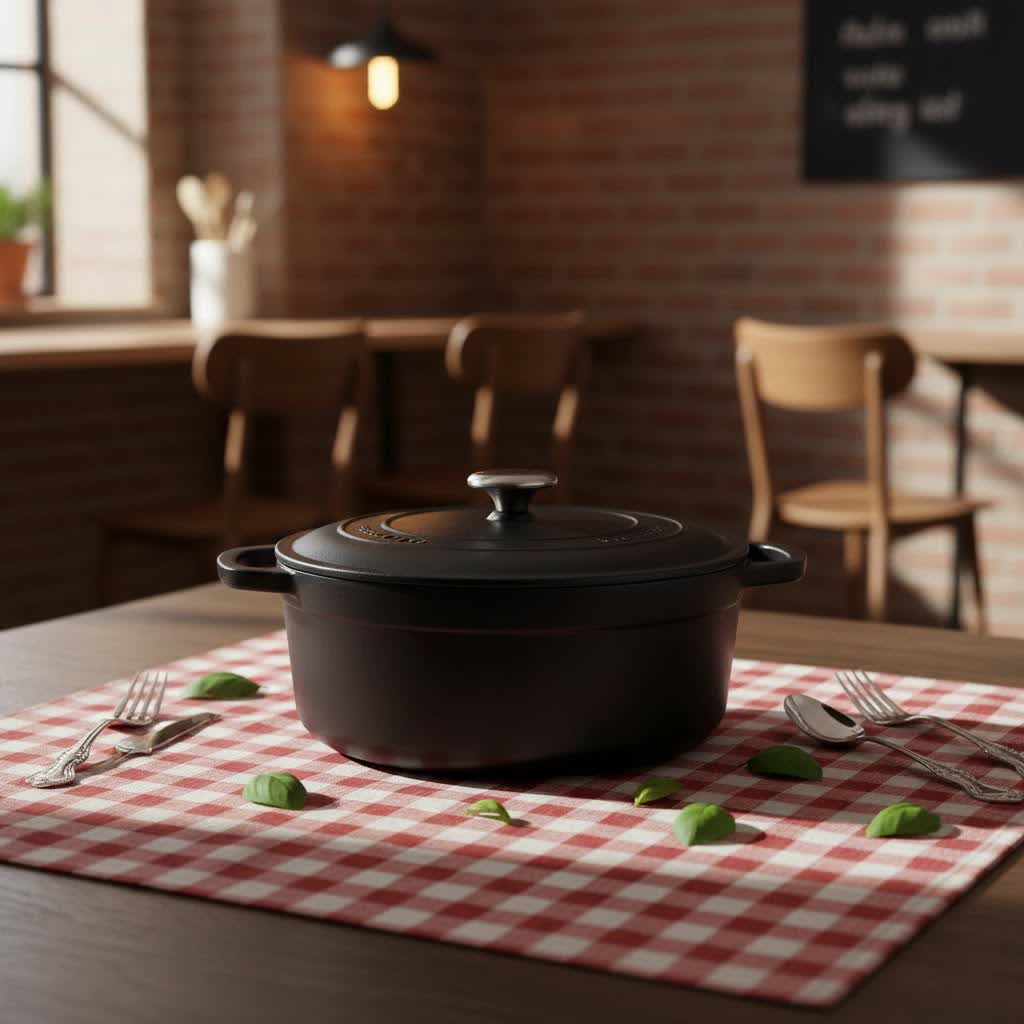
A Dutch oven is a thick-walled cooking pot, usually made from cast iron, with a tight-fitting lid. Its robust construction ensures excellent heat retention and even heat distribution, making it ideal for dishes that require prolonged, consistent cooking. Historically, these pots were often used over open flames, sometimes with coals placed on the lid for all-around heating. Today, modern versions come in various materials, with bare cast iron and enameled cast iron being the most popular choices, each offering distinct benefits. Beyond its traditional uses in slow cooking and baking, the Dutch oven is increasingly recognized for its versatility in tasks like searing, sautéing, and even deep frying.
Dutch Oven vs. Frying Pan: Understanding the Differences
When it comes to general cooking, Dutch ovens and frying pans (or skillets) serve different, though sometimes overlapping, purposes.
- Frying Pan/Skillet: Typically shallower with flared or low sides, a frying pan is designed for cooking methods that require direct heat to a larger surface area and allow for quick evaporation. They excel at searing meats, sautéing vegetables, making pancakes, and shallow pan-frying where you want a crispy exterior without submerging the food in oil. Cast iron skillets, in particular, are prized for their ability to achieve a beautiful, dark crust on foods due to their high heat retention.
- Dutch Oven: With its deep, thick walls and heavy, tight-fitting lid, a Dutch oven is built for moisture retention and slow, even cooking. It’s the go-to for hearty soups, rich stews, braised meats, and baking bread. The depth allows for simmering large volumes of liquid and prevents splattering when cooking with high heat. While a frying pan is a “sprinter” in the kitchen, quickly heating up for fast-cooking tasks, a Dutch oven is more of a “marathon runner,” maintaining steady temperatures over longer periods.
Why Your Dutch Oven is an Excellent Frying Pan (Especially for Deep Frying)
Despite their primary reputation for slow cooking, Dutch ovens possess several characteristics that make them exceptionally well-suited for frying, especially deep frying.
- Superior Heat Retention and Distribution: The thick cast iron construction (whether bare or enameled) is unparalleled in its ability to retain and distribute heat evenly. This is crucial for frying, as consistent oil temperature prevents food from becoming soggy or burning too quickly on the outside while remaining raw inside. It minimizes temperature drops when food is added, ensuring a steady cooking environment.
- Deep, High Sides: A key advantage for deep frying is the Dutch oven’s depth. The high sides help contain hot oil, significantly reducing splattering and making the process safer and less messy than using a shallower pan. This depth also allows for fully submerging larger pieces of food, like chicken legs or doughnuts, for even cooking.
- Consistent Temperature Control: Maintaining the ideal frying temperature (typically between 350-375°F or 175-190°C) is vital for crispy, perfectly cooked results. The Dutch oven’s thermal mass helps stabilize oil temperature, making it easier to manage with a thermometer.
- Versatility Beyond Frying: Investing in a Dutch oven means acquiring a tool capable of a vast array of cooking tasks, from braising and baking to simmering and, yes, frying. This multifunctionality makes it a valuable addition to any kitchen, reducing the need for single-purpose deep fryers.
- Enhanced Seasoning (for Bare Cast Iron): For uncoated cast iron Dutch ovens, deep frying is an excellent way to build and reinforce their natural non-stick seasoning. The repeated exposure to hot oil helps create a smooth, durable surface.
Types of Dutch Ovens for Frying: Cast Iron vs. Enameled
Both bare cast iron and enameled cast iron Dutch ovens are suitable for frying, each with its own set of considerations:
- Bare Cast Iron Dutch Ovens: These are the traditional choice.
- Pros: Incredibly durable, can withstand extremely high temperatures, develops a natural non-stick seasoning over time, and can be used over open flames or campfires. Frying in them actively improves their seasoning.
- Cons: Requires diligent seasoning and maintenance to prevent rust, can be reactive with acidic foods, and requires more careful cleaning to preserve the seasoning.
- Enameled Cast Iron Dutch Ovens: A popular modern variant.
- Pros: Easy to clean (often dishwasher safe), non-reactive with acidic foods, available in a wide array of colors, and does not require seasoning. Many sources confirm they are perfectly safe for deep frying.
- Cons: Can be prone to chipping if mishandled or exposed to extreme temperature shocks, and generally more expensive than bare cast iron.
When selecting a Dutch oven for frying, consider its size. A 5.5 to 7-quart Dutch oven is a popular choice, offering ample capacity for most home frying needs without requiring an excessive amount of oil.
Essential Tips for Frying in a Dutch Oven
To ensure a safe and successful frying experience with your Dutch oven, follow these key tips:
- Choose the Right Oil: Opt for neutral-flavored oils with a high smoke point, such as canola, peanut, vegetable, or grapeseed oil. Avoid oils with low smoke points like olive oil or butter, as they can burn and impart an unpleasant taste.
- Proper Oil Quantity: Fill your Dutch oven with enough oil to fully submerge your food, typically 2-3 inches (5-7.5 cm) deep. However, never fill it more than halfway to prevent overflows and dangerous splattering when food is added.
- Monitor Temperature Closely: A reliable deep-fry or candy thermometer is indispensable. Heat the oil to the recommended temperature for your recipe, usually between 350-375°F (175-190°C). Maintaining this range is critical for crispy, evenly cooked food.
- Fry in Batches: Avoid overcrowding the pot. Adding too much food at once will drastically lower the oil’s temperature, leading to soggy results. Fry in small batches, allowing the oil to return to temperature between additions.
- Safety First:
- Always use long-handled tongs or a spider skimmer to carefully lower and remove food from hot oil.
- Ensure food is as dry as possible before frying to minimize splattering.
- Never leave hot oil unattended.
- Keep a metal lid nearby (your Dutch oven’s lid works perfectly) to smother any potential oil fires.
- Drain Properly: After frying, transfer food to a wire rack placed over a sheet pan. This allows excess oil to drip away, keeping your food crisp. Avoid draining on paper towels, as they can trap oil and make food greasy.
- Cleanup and Oil Reuse:
- Allow the oil to cool completely before handling.
- Strain cooled oil through a fine-mesh sieve or cheesecloth to remove food particles. Store it in an airtight container in the refrigerator for reuse (typically up to 3-10 times, depending on what was fried).
- For bare cast iron, clean with hot water and a stiff brush (avoid soap if preserving seasoning), then thoroughly dry and apply a thin layer of seasoning oil.
- For enameled cast iron, wash with warm, soapy water and a soft sponge.
Beyond Deep Frying: Other Frying Applications
While deep frying is where the Dutch oven truly shines as a frying pan, it’s also excellent for other frying tasks:
- Shallow Frying: Its sturdy base and even heat distribution make it suitable for shallow frying larger items, like pan-fried chicken breasts or fish fillets, where a significant amount of oil is used but the food is not fully submerged.
- Searing Before Braising: Many recipes begin with searing meat to develop a rich flavor crust. A Dutch oven is perfect for this, as you can sear the meat directly in the pot, then deglaze, add liquids, and continue cooking, saving you from using multiple pans and preserving all those delicious browned bits.
Top Dutch Ovens Recommended for Frying
While specific product recommendations can change, several brands consistently receive high praise for their quality and performance, making them excellent choices for frying:
- Lodge Cast Iron Dutch Oven: A classic, affordable, and incredibly durable option for bare cast iron. Known for excellent heat retention and sturdy construction, it’s a favorite for building up a robust seasoning through regular use, including frying.
- Le Creuset Enameled Cast Iron Dutch Oven: A premium choice, highly regarded for its exceptional heat distribution, beautiful enamel finishes, and ease of cleaning. Its enamel is robust enough to handle the high temperatures of deep frying without issue.
- Staub Cocotte: Another high-end enameled cast iron option, known for its unique spiked lids that promote self-basting. Staub Dutch ovens also provide outstanding heat performance for frying and other cooking methods.
These brands represent both bare and enameled options, allowing you to choose based on your preference for maintenance, aesthetics, and budget.
Where to Buy a Quality Dutch Oven for Frying
You can find high-quality Dutch ovens at various retailers:
- Specialty Kitchen Stores: Stores like Williams Sonoma, Sur La Table, or local culinary shops often carry a wide selection of premium brands and knowledgeable staff.
- Department Stores: Major department stores such as Macy’s, Kohl’s, or JCPenney frequently stock popular brands like Cuisinart, Lodge, and sometimes Le Creuset or Staub, especially during sales.
- Online Retailers: Websites like Amazon, Target, Walmart, and the official brand websites (Lodge, Le Creuset, Staub, Made In, Field Company) offer vast selections, competitive pricing, and user reviews. Be sure to check return policies and shipping costs when buying online.
Regardless of where you purchase, always prioritize a Dutch oven with a heavy bottom, thick walls, and a secure lid for the best frying performance.
Conclusion
The Dutch oven, often revered for its slow-cooking prowess, is an unexpectedly powerful and versatile tool in the realm of frying. Its unmatched heat retention, even heat distribution, and deep sides make it an ideal choice for achieving perfectly crisp, golden-brown results, especially when deep frying. From savory fried chicken to delicate doughnuts, your Dutch oven can handle it all, providing safety, consistency, and culinary excellence. So, the next time you consider frying, don’t overlook this kitchen staple. Embrace its full potential and discover a new dimension of cooking that combines the best of traditional and modern culinary techniques.
Are you ready to unlock your Dutch oven’s hidden frying capabilities and bring new flavors to your table?
Frequently Asked Questions
Can I use my Dutch oven for pan-frying?
|
Our Picks for the Best Dutch Oven in 2026
As an Amazon Associate I earn from qualifying purchases.
|
||
| Num | Product | Action |
|---|---|---|
| 1 | Lodge 6 Quart Enameled Cast Iron Dutch Oven with Lid – Dual Handles – Oven Safe up to 500° F or on Stovetop - Use to Marinate, Cook, Bake, Refrigerate and Serve – Cornflower Blue |

|
| 2 | HomeVSS 5.5-Quart Enameled Cast Iron Dutch Oven with Lid & Dual Handles – Heavy-Duty for Bread Baking, Braising, Stews, Roasting, Oven & Induction Compatible, Blue |
|
| 3 | Lodge 6 Quart Enameled Cast Iron Dutch Oven with Lid – Dual Handles – Oven Safe up to 500° F or on Stovetop - Use to Marinate, Cook, Bake, Refrigerate and Serve – Apricot |
|
| 4 | Lodge 6 Quart Enameled Cast Iron Dutch Oven with Lid – Dual Handles – Oven Safe up to 500° F or on Stovetop - Use to Marinate, Cook, Bake, Refrigerate and Serve – Burnt Sienna |
|
| 5 | Lodge 6 Quart Enameled Cast Iron Dutch Oven with Lid – Dual Handles – Oven Safe up to 500° F or on Stovetop - Use to Marinate, Cook, Bake, Refrigerate and Serve – Avocado |
|
| 6 | Lodge 6 Quart Enameled Cast Iron Dutch Oven with Lid – Dual Handles – Oven Safe up to 500° F or on Stovetop - Use to Marinate, Cook, Bake, Refrigerate and Serve – Blue |
|
| 7 | Lodge 6 Quart Enameled Cast Iron Dutch Oven with Lid – Dual Handles, Oven Safe up to 500°F, Stovetop Compatible – Marinate, Cook, Bake, Refrigerate & Serve – Oyster White |
|
| 8 | HomeVSS 5.5-Quart Enameled Cast Iron Dutch Oven with Lid & Dual Handles – Heavy-Duty for Bread Baking, Braising, Stews, Roasting, Oven & Induction Compatible, Orange |
|
| 9 | HomeVSS 5.5-Quart Enameled Cast Iron Dutch Oven with Lid & Dual Handles – Heavy-Duty for Bread Baking, Braising, Stews, Roasting, Oven & Induction Compatible, Red |
|
| 10 | Lodge 6 Quart Enameled Cast Iron Dutch Oven with Lid – Dual Handles – Oven Safe up to 500° F or on Stovetop - Use to Marinate, Cook, Bake, Refrigerate and Serve – Cranberry |
|
Yes, a Dutch oven can be used for pan-frying, especially for larger items or when you need higher sides to contain splatters. While traditional frying pans are often preferred for quick, shallow frying due to their wide, open surface, the Dutch oven’s excellent heat retention makes it effective for searing and browning, offering a thicker crust on foods.
How much oil do I need to deep fry in a Dutch oven?
For deep frying in a Dutch oven, you typically need about 2 to 3 inches (5-7.5 cm) of oil, or enough to fully submerge the food you are cooking. However, it’s crucial not to fill the pot more than halfway to leave sufficient space for the food and prevent dangerous boil-overs or splattering.
Is it hard to clean a Dutch oven after frying?
Cleaning a Dutch oven after frying is straightforward, especially for enameled versions. Allow the oil to cool completely, then strain and store it if desired. For enameled Dutch ovens, wash with warm, soapy water and a soft sponge. For bare cast iron, clean with hot water and a stiff brush, avoiding soap to preserve seasoning, then dry thoroughly and re-season with a thin coat of oil.
What temperature is best for deep frying in a Dutch oven?
The ideal temperature for deep frying in a Dutch oven generally ranges between 350°F and 375°F (175°C and 190°C). Using a deep-fry or candy thermometer is highly recommended to accurately monitor and maintain this temperature. Consistent heat is key to ensuring food cooks evenly, develops a crispy exterior, and avoids becoming greasy or burnt.
