Embarking on a camping adventure promises fresh air, starry nights, and, for many, the joy of cooking delicious meals over an open fire. While modern camp kitchens offer myriad gadgets, one timeless piece of cookware continues to reign supreme for outdoor gourmets: the camping Dutch oven. This versatile and rugged pot transforms simple ingredients into hearty feasts, making it an indispensable companion for any seasoned or aspiring outdoor chef.
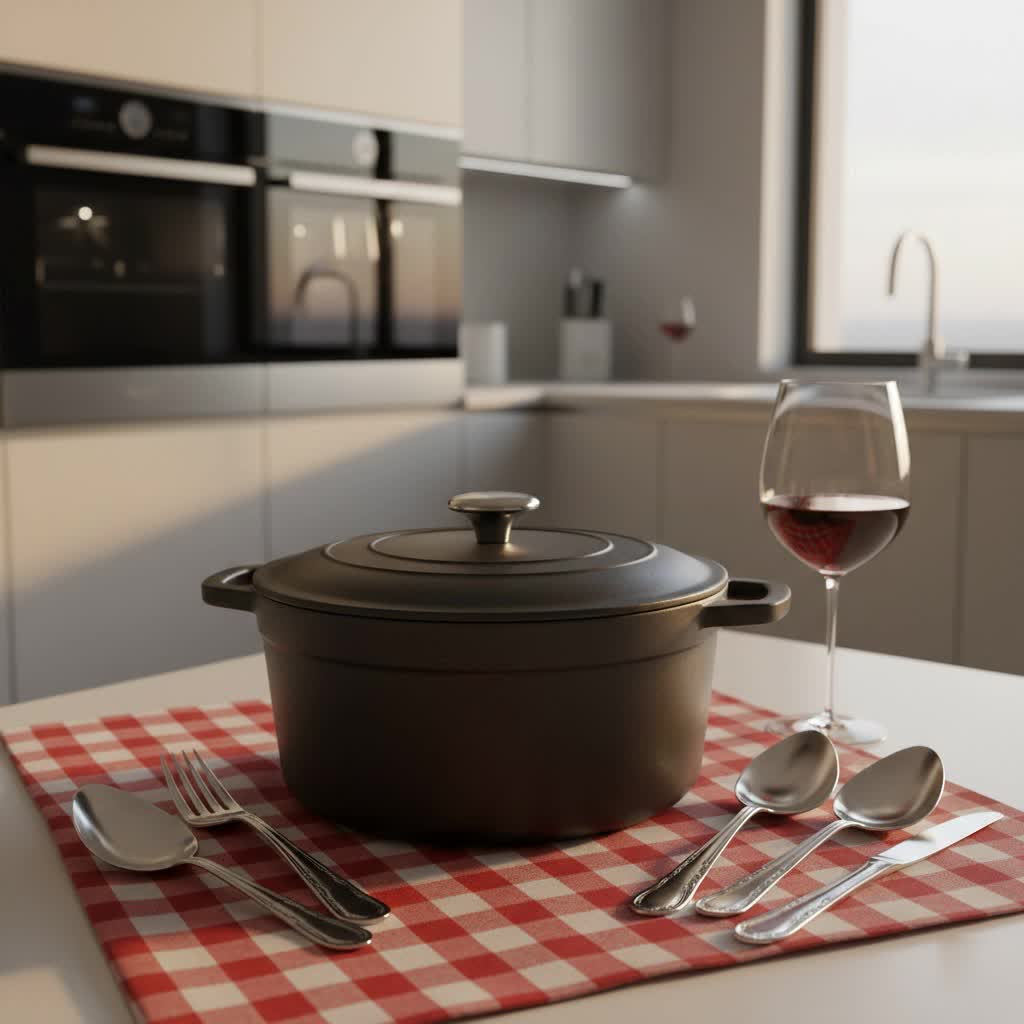
What is a Dutch Oven? Why You Need One for Camping
A Dutch oven is a thick-walled cooking pot, typically made of cast iron, with a tight-fitting lid. Its origins trace back to the 18th century, with designs improving over time to become the robust cookware we know today. For camping, Dutch ovens are specifically designed to withstand and excel in the unique conditions of outdoor cooking. They offer exceptional heat retention and even heat distribution, critical factors when dealing with the unpredictable nature of campfires or charcoal.
The primary advantage of a camping Dutch oven lies in its sheer versatility. Imagine baking a fresh loaf of bread, simmering a rich stew, roasting a whole chicken, or even frying up breakfast bacon and eggs, all in one pot, directly over or in your campfire. This level of multi-functionality reduces the amount of gear you need to pack, simplifying your outdoor kitchen setup. Its durable construction means it can be passed down through generations, becoming a cherished part of your family’s camping tradition.
Types of Dutch Ovens: Choosing the Right One for Your Camp Adventures
When selecting a Dutch oven for your outdoor escapades, understanding the different types available is crucial, as each offers distinct advantages and drawbacks for the camping environment.
Cast Iron Dutch Oven (Camping Specific)
Traditional cast iron Dutch ovens are the undisputed champions for campfire cooking. They are typically un-enameled, allowing them to handle the intense, direct heat of coals and open flames without damage. Key features for camping models often include three integrated legs on the bottom, which elevate the pot above coals for airflow and heat management, and a flanged (rimmed) lid designed to hold hot coals on top, providing an oven-like environment for baking. A sturdy bail handle makes it easy to suspend over a fire with a tripod or lift safely.
- Pros: Exceptional heat retention, extreme durability, ideal for direct campfire use, develops natural non-stick seasoning over time.
- Cons: Very heavy, requires specific seasoning and maintenance to prevent rust, can be slower to heat up.
|
Our Picks for the Best Dutch Oven in 2026
As an Amazon Associate I earn from qualifying purchases.
|
||
| Num | Product | Action |
|---|---|---|
| 1 | Lodge 6 Quart Enameled Cast Iron Dutch Oven with Lid – Dual Handles – Oven Safe up to 500° F or on Stovetop - Use to Marinate, Cook, Bake, Refrigerate and Serve – Avocado |

|
| 2 | HomeVSS 5.5-Quart Enameled Cast Iron Dutch Oven with Lid & Dual Handles – Heavy-Duty for Bread Baking, Braising, Stews, Roasting, Oven & Induction Compatible, Orange |
|
| 3 | HomeVSS 5.5-Quart Enameled Cast Iron Dutch Oven with Lid & Dual Handles – Heavy-Duty for Bread Baking, Braising, Stews, Roasting, Oven & Induction Compatible, Blue |
|
| 4 | Lodge 6 Quart Enameled Cast Iron Dutch Oven with Lid – Dual Handles – Oven Safe up to 500° F or on Stovetop - Use to Marinate, Cook, Bake, Refrigerate and Serve – Blue |
|
| 5 | Lodge 6 Quart Enameled Cast Iron Dutch Oven with Lid – Dual Handles – Oven Safe up to 500° F or on Stovetop - Use to Marinate, Cook, Bake, Refrigerate and Serve – Cornflower Blue |
|
| 6 | Lodge 6 Quart Enameled Cast Iron Dutch Oven with Lid – Dual Handles, Oven Safe up to 500°F, Stovetop Compatible – Marinate, Cook, Bake, Refrigerate & Serve – Oyster White |
|
| 7 | HomeVSS 5.5-Quart Enameled Cast Iron Dutch Oven with Lid & Dual Handles – Heavy-Duty for Bread Baking, Braising, Stews, Roasting, Oven & Induction Compatible, Red |
|
| 8 | Lodge 6 Quart Enameled Cast Iron Dutch Oven with Lid – Dual Handles – Oven Safe up to 500° F or on Stovetop - Use to Marinate, Cook, Bake, Refrigerate and Serve – Cranberry |
|
| 9 | Lodge 6 Quart Enameled Cast Iron Dutch Oven with Lid – Dual Handles – Oven Safe up to 500° F or on Stovetop - Use to Marinate, Cook, Bake, Refrigerate and Serve – Apricot |
|
| 10 | Lodge 6 Quart Enameled Cast Iron Dutch Oven with Lid – Dual Handles – Oven Safe up to 500° F or on Stovetop - Use to Marinate, Cook, Bake, Refrigerate and Serve – Burnt Sienna |
|
Enameled Cast Iron Dutch Oven
Enameled cast iron Dutch ovens, while popular for home kitchens, are generally less suitable for rigorous campfire use. Their enamel coating is prone to chipping or cracking when exposed to direct, high, uneven heat, and the coating can also inhibit the Dutch oven’s ability to retain and transfer heat as effectively as bare cast iron in a raw fire setting.
- Pros: Easy to clean, no seasoning required, wide range of colors.
- Cons: Can chip or crack with direct high heat, generally not designed with legs or flanged lids for campfire coals, heavier than aluminum.
Aluminum Dutch Oven
Less common but gaining traction for specific uses, aluminum Dutch ovens offer a lightweight alternative to cast iron. Hard-anodized aluminum models provide better durability and heat distribution than standard aluminum. They heat up quickly and are much easier to carry, making them a consideration for less stationary camping where weight is a primary concern.
- Pros: Lightweight, good heat conduction, heats up quickly.
- Cons: Less heat retention than cast iron, not as durable for extreme conditions, can scorch food more easily without careful heat management.
Detailed Comparison Table
| Feature | Cast Iron (Camping-Specific) | Enameled Cast Iron | Aluminum (Hard Anodized) |
|---|---|---|---|
| Heat Retention | Excellent | Good | Moderate |
| Durability | Very High | High (but coating fragile) | Medium to High |
| Cleaning | Moderate (requires care) | Easy | Easy |
| Weight | Heavy | Heavy | Light |
| Campfire Use | Ideal (direct coals) | Not Recommended | Good (over grates/tripod) |
| Seasoning | Required | Not Required | Not Required |
| Cost | Medium to High | High | Medium |
How to Choose Your Camping Dutch Oven: Essential Factors
Selecting the perfect camping Dutch oven involves considering several factors to match your specific needs and camping style.
- Size and Capacity: Consider your typical group size. A 6-quart oven is often suitable for 2-4 people, while 8-10 quart models are better for larger families or groups. A shallow Dutch oven is ideal for baking, while deeper ones excel at stews and roasts.
- Material: For true campfire cooking, cast iron is almost always the recommended choice due to its robustness and heat handling capabilities. Look for models explicitly designed for camping with features like legs and a flanged lid.
- Features:
- Legs: Essential for placing directly on coals without suffocating them.
- Flanged Lid: A raised rim on the lid allows you to place coals on top, providing critical dual-directional heat for baking and even cooking.
- Bail Handle: A sturdy wire handle is crucial for hanging the oven over a fire or lifting it safely when hot.
- Pre-seasoned: Many quality cast iron Dutch ovens come pre-seasoned, meaning they’re ready for use right out of the box, saving you an important initial step.
- Brand Reputation: Trusted brands like Lodge, Camp Chef, and Barebones have long histories of producing high-quality camping Dutch ovens that stand the test of time.
Top Camping Dutch Ovens for Outdoor Enthusiasts
While specific product models and pricing can fluctuate, certain characteristics define the best camping Dutch ovens. Look for heavy-duty cast iron construction, ideally pre-seasoned, with sturdy legs on the pot and a flanged lid for optimal coal management. A robust bail handle for easy lifting and hanging is also a must. Many top-rated ovens also feature lids that double as griddles or skillets when flipped, adding even more utility to your outdoor kitchen. Popular options often come with essential accessories like lid lifters and reinforced carry cases, enhancing convenience and safety.
Mastering Your Camping Dutch Oven: Usage and Care
Cooking with a Dutch oven outdoors is a rewarding experience, but it requires a bit of know-how for both usage and maintenance.
Seasoning Your Cast Iron Dutch Oven
If your cast iron Dutch oven isn’t pre-seasoned, or if it needs a refresh, seasoning is key. This process bakes a layer of oil into the iron, creating a natural non-stick surface and protecting against rust. To season, apply a thin, even layer of cooking oil (like vegetable or flaxseed oil) to all surfaces. Bake it upside down in an oven (or over indirect campfire heat) at 350-400°F (175-200°C) for about an hour, then let it cool. Repeat this process a few times for best results.
Cooking Methods & Heat Management
The magic of a camping Dutch oven lies in its ability to harness heat from coals or embers.
- Charcoal Briquettes: These are preferred for their consistent heat. A good rule of thumb for 350°F (175°C) is to double your Dutch oven’s diameter in inches and add one briquette for the total needed. Distribute about 1/3 of the briquettes underneath the oven and 2/3 on top of the flanged lid for baking. For roasting, aim for a more even distribution (1:1 ratio), and for simmering, place most coals underneath (e.g., 4:1 bottom to top).
- Wood Embers: If using a campfire, allow your fire to burn down to a good bed of glowing embers. Use metal tongs to arrange them similar to charcoal briquettes.
- Rotation: To ensure even cooking and prevent hot spots, rotate your Dutch oven a quarter turn every 10-15 minutes, and rotate the lid a quarter turn in the opposite direction.
- Accessories: A lid lifter is essential for safely checking your food and managing coals. Heat-resistant gloves are also highly recommended. For hanging over a fire, a tripod provides excellent temperature control.
> “The secret to successful Dutch oven cooking in the wilderness isn’t just about the recipe, it’s about understanding and controlling your heat source. Patience and practice are your best tools.” – Chef Alex “Campfire” Coleman, Outdoor Culinary Expert
Cleaning and Storage
Proper care ensures your Dutch oven lasts a lifetime.
- Cleaning: After cooking, let the oven cool slightly. Scrape out any food residue with a plastic scraper. Wash by hand with hot water. For cast iron, avoid harsh soaps, as they can strip the seasoning. For stubborn spots, a stiff brush or chainmail scrubber works well.
- Drying: Thoroughly dry your Dutch oven immediately after washing to prevent rust. You can place it over low heat for a few minutes to ensure all moisture evaporates.
- Oiling: While still warm, apply a very thin layer of cooking oil to all surfaces, wiping off any excess. This replenishes the seasoning.
- Storage: Store your clean, oiled Dutch oven in a dry, low-humidity environment. Placing a paper towel inside can help absorb any residual moisture. Consider a canvas carry bag for transport and protection during storage.
Delicious Meals from Your Camping Dutch Oven
The culinary possibilities with a camping Dutch oven are virtually limitless.
- Hearty Stews and Chilis: Its excellent heat retention makes it perfect for slow-cooked, flavorful one-pot meals.
- Roasted Meats: From whole chickens to pork roasts, the Dutch oven acts as a portable oven, yielding tender, juicy results.
- Freshly Baked Bread: With coals on top and bottom, you can bake crusty loaves that will amaze your fellow campers.
- Breakfast Delights: Scrambled eggs, bacon, or even cinnamon rolls are easily prepared, kickstarting your day with a comforting meal.
- Desserts: Cobblers, cakes, and fruit crisps baked in a Dutch oven are classic campfire treats.
Where to Buy Your Camping Dutch Oven
You can find camping Dutch ovens at various retailers, both online and in brick-and-mortar stores. Dedicated outdoor gear stores, sporting goods retailers, and large department stores often carry a selection. Online marketplaces provide a vast array of options from different brands, but always check reviews and product specifications to ensure you’re getting a model suitable for camping with the specific features you need. Look for reputable sellers and be aware that quality cast iron can be an investment, but a worthwhile one for years of enjoyment.
Conclusion
The camping Dutch oven is far more than just a pot; it’s a gateway to creating unforgettable culinary experiences in the great outdoors. Its robust design, exceptional cooking capabilities, and incredible versatility make it an essential piece of gear for any camping enthusiast. By understanding its types, mastering its use, and committing to proper care, you’ll ensure your Dutch oven becomes a beloved heirloom, ready for countless adventures. So, pack your ingredients, stoke your fire, and prepare to elevate your camp cooking to new heights. What delicious masterpiece will you create on your next camping trip?
Frequently Asked Questions
Can you use a regular Dutch oven for camping?
While you can technically use a regular Dutch oven, especially if it’s bare cast iron, camping-specific models are highly recommended. They feature legs to sit directly over coals and flanged lids to hold coals on top, which are crucial for even heating and baking in outdoor environments.
How do you control the temperature in a camping Dutch oven?
Temperature control is achieved by adjusting the number and placement of hot coals or briquettes. More coals mean higher temperatures. Placing two-thirds of the coals on the lid and one-third underneath is ideal for baking, while an even distribution works well for roasting. Rotating the oven and lid every 10-15 minutes also helps maintain an even temperature.
What is the best size Dutch oven for camping?
The best size depends on your group. A 6-quart Dutch oven is a versatile choice for 2-4 people, suitable for most meals. For larger groups (5-8 people), an 8-quart or 10-quart model would be more appropriate, allowing you to cook bigger batches or larger cuts of meat.
How do you clean a cast iron Dutch oven after camping?
Clean your cast iron Dutch oven by scraping out food residue with a plastic scraper, then washing by hand with hot water and a stiff brush. Avoid using harsh soaps to preserve the seasoning. Dry it thoroughly, ideally over low heat, and apply a thin coat of cooking oil before storing to prevent rust and maintain its seasoned finish.
What accessories do you need for camping Dutch oven cooking?
Key accessories include a sturdy lid lifter for safely handling hot lids and pots, heat-resistant gloves, and a charcoal chimney starter for quickly preparing briquettes. A tripod can also be very useful for suspending the Dutch oven over a campfire and adjusting its height for temperature control.
