The Dutch oven, a timeless kitchen workhorse, is more than just a pot; it’s a culinary companion that transforms simple ingredients into extraordinary meals. With its robust construction and exceptional heat retention, this versatile piece of cookware has earned its place in kitchens worldwide. Whether you’re a seasoned chef or a home cook looking to elevate your dishes, understanding the full potential of what can be made in a Dutch oven is the first step toward unlocking a world of delicious possibilities. This guide will explore everything from its origins and various types to essential care tips and a bounty of mouth-watering recipes, ensuring you choose and master the perfect Dutch oven for your culinary adventures.
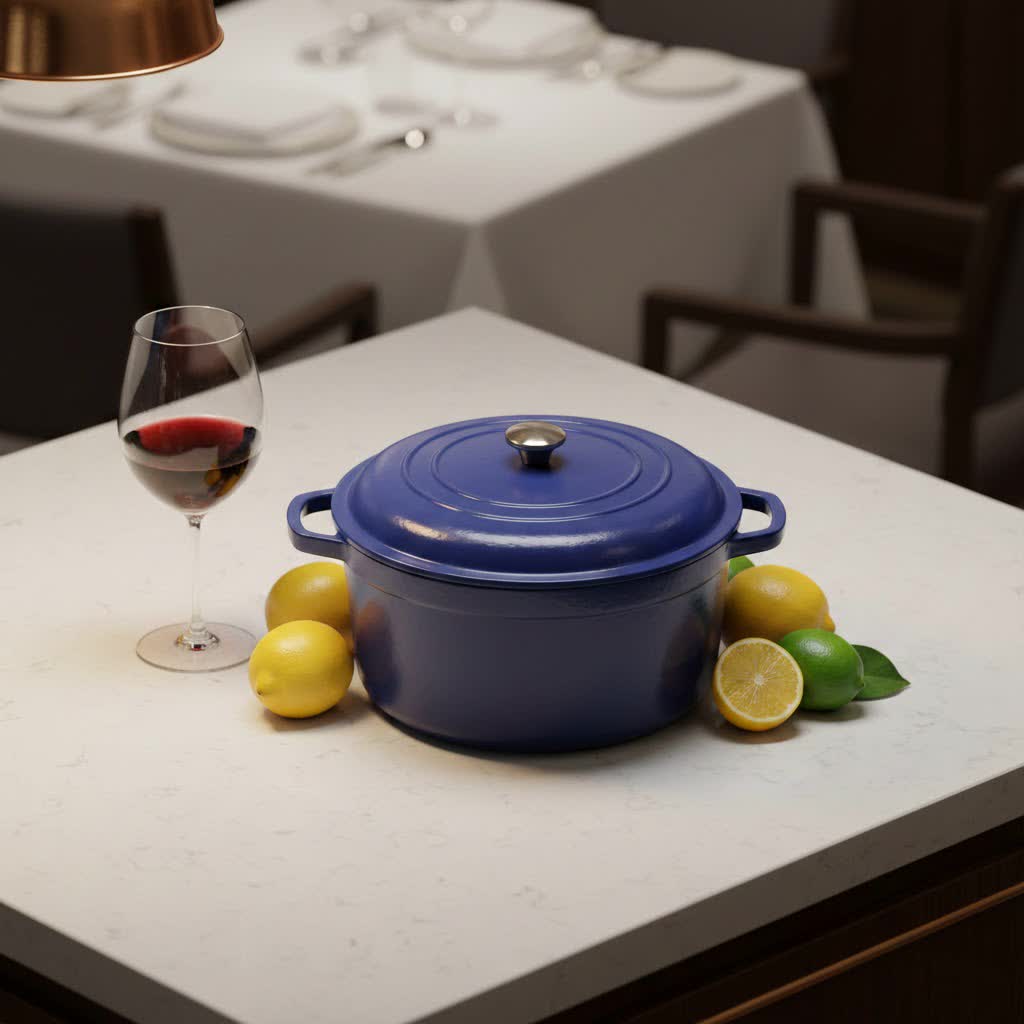
Dutch Oven Essentials: What It Is and Why You Need One
A Dutch oven is a heavy, thick-walled cooking pot with a tight-fitting lid, traditionally made from cast iron. Its design allows it to recreate oven-like conditions on a stovetop or over an open fire, making it incredibly versatile for a wide range of cooking methods. The history of the Dutch oven dates back centuries, with its name believed to be linked to a Dutch method of casting metal cookware. Early versions were essential for pioneers and campers, providing a durable vessel for cooking over coals.
Today, Dutch ovens are celebrated for several key advantages that make them indispensable in any kitchen. They excel at retaining and distributing heat evenly, preventing hot spots and ensuring consistent cooking. This characteristic is crucial for slow-cooked dishes, such as stews and braises, where ingredients need to simmer gently for extended periods to develop rich flavors and tender textures. Their heavy lids lock in moisture, allowing food to self-baste and remain succulent. Beyond their functional benefits, many modern Dutch ovens, especially enameled cast iron varieties, are also aesthetically pleasing, coming in a spectrum of vibrant colors that can double as elegant serving dishes.
Navigating Dutch Oven Types: Choosing Your Perfect Pot
Dutch ovens come in various materials, each offering distinct advantages and considerations. Understanding these differences is key to selecting the right one for your cooking style and needs.
Cast Iron Dutch Oven (Bare Cast Iron)
- Advantages: Known for superior heat retention and distribution, incredible durability, and the ability to develop a natural non-stick “seasoning” over time, improving with each use. It’s often more affordable than enameled versions. Ideal for searing meats at high temperatures.
- Disadvantages: Heavy, requires specific seasoning and maintenance to prevent rust and maintain its non-stick properties. It can react with acidic foods, potentially altering their taste and damaging the seasoning.
|
Our Picks for the Best Dutch Oven in 2026
As an Amazon Associate I earn from qualifying purchases.
|
||
| Num | Product | Action |
|---|---|---|
| 1 | Lodge 6 Quart Enameled Cast Iron Dutch Oven with Lid – Dual Handles – Oven Safe up to 500° F or on Stovetop - Use to Marinate, Cook, Bake, Refrigerate and Serve – Apricot |

|
| 2 | Lodge 6 Quart Enameled Cast Iron Dutch Oven with Lid – Dual Handles – Oven Safe up to 500° F or on Stovetop - Use to Marinate, Cook, Bake, Refrigerate and Serve – Burnt Sienna |
|
| 3 | Lodge 6 Quart Enameled Cast Iron Dutch Oven with Lid – Dual Handles – Oven Safe up to 500° F or on Stovetop - Use to Marinate, Cook, Bake, Refrigerate and Serve – Avocado |
|
| 4 | Lodge 6 Quart Enameled Cast Iron Dutch Oven with Lid – Dual Handles – Oven Safe up to 500° F or on Stovetop - Use to Marinate, Cook, Bake, Refrigerate and Serve – Cranberry |
|
| 5 | HomeVSS 5.5-Quart Enameled Cast Iron Dutch Oven with Lid & Dual Handles – Heavy-Duty for Bread Baking, Braising, Stews, Roasting, Oven & Induction Compatible, Blue |
|
| 6 | HomeVSS 5.5-Quart Enameled Cast Iron Dutch Oven with Lid & Dual Handles – Heavy-Duty for Bread Baking, Braising, Stews, Roasting, Oven & Induction Compatible, Red |
|
| 7 | Lodge 6 Quart Enameled Cast Iron Dutch Oven with Lid – Dual Handles – Oven Safe up to 500° F or on Stovetop - Use to Marinate, Cook, Bake, Refrigerate and Serve – Cornflower Blue |
|
| 8 | Lodge 6 Quart Enameled Cast Iron Dutch Oven with Lid – Dual Handles – Oven Safe up to 500° F or on Stovetop - Use to Marinate, Cook, Bake, Refrigerate and Serve – Blue |
|
| 9 | HomeVSS 5.5-Quart Enameled Cast Iron Dutch Oven with Lid & Dual Handles – Heavy-Duty for Bread Baking, Braising, Stews, Roasting, Oven & Induction Compatible, Orange |
|
| 10 | Lodge 6 Quart Enameled Cast Iron Dutch Oven with Lid – Dual Handles, Oven Safe up to 500°F, Stovetop Compatible – Marinate, Cook, Bake, Refrigerate & Serve – Oyster White |
|
Enameled Cast Iron Dutch Oven
- Advantages: Combines the excellent heat properties of cast iron with a smooth, non-reactive enamel coating, making it easy to clean and eliminating the need for seasoning. It’s resistant to acidic foods and available in a wide array of colors, making it suitable for oven-to-table serving. Brands like Le Creuset and Staub are renowned for their quality in this category.
- Disadvantages: Heavier than aluminum, more prone to chipping if dropped or handled roughly, and generally comes with a higher price tag. The enamel can also stain over time if not cared for properly.
Aluminum Dutch Oven
- Advantages: Significantly lighter than cast iron options, heats up quickly, and is often more budget-friendly. Some versions are anodized to create a harder, non-reactive surface.
- Disadvantages: Does not retain heat as well as cast iron, making it less ideal for long, slow braises. It can also be less durable and less effective at searing. Un-anodized aluminum can react with acidic foods. Some outdoor-focused aluminum Dutch ovens may include legs for campfire cooking.
Detailed Comparison Table of Dutch Oven Types
| Feature | Cast Iron (Bare) | Enameled Cast Iron | Aluminum |
|---|---|---|---|
| Heat Retention | Excellent | Excellent | Moderate |
| Durability | Very High | High | Moderate |
| Cleaning Ease | Difficult (requires seasoning care) | Easy (non-reactive enamel) | Easy |
| Weight | Heavy | Heavy | Light |
| Price | Moderate | High | Low |
| Maintenance | Requires seasoning | No seasoning needed | Minimal |
| Reactivity | Reactive to acidic foods | Non-reactive | Can be reactive (unless anodized) |
Choosing Your Ideal Dutch Oven: Important Factors to Consider
Selecting the perfect Dutch oven involves more than just picking a pretty color. Several practical factors should guide your decision to ensure it meets your culinary demands.
- Size and Capacity: The capacity of your Dutch oven, typically measured in quarts or liters, should align with your household size and cooking habits. A 5.5 to 7-quart (approximately 5-6.5 liters) Dutch oven is often considered a versatile size for families of 4-6 and is ideal for many recipes, including baking bread and making stews. Smaller sizes (2-4 quarts) are great for side dishes or single servings, while larger ones (8+ quarts) are perfect for entertaining or bulk cooking.
- Material: As discussed, your choice of bare cast iron, enameled cast iron, or aluminum will impact heat performance, maintenance, and reactivity. Enameled cast iron is highly recommended for its balance of heat retention and ease of care.
- Brand Reputation: Established brands like Le Creuset, Staub, and Lodge are known for their quality and durability. While premium brands like Le Creuset and Staub are an investment, they are often considered heirloom pieces that can last for generations. Lodge offers excellent quality at a more budget-friendly price point, including both bare and enameled options. Other brands like Made In, Tramontina, and Caraway also offer competitive options.
- Lid Design: A tight-fitting lid is crucial for trapping moisture and heat, which is essential for braising and slow cooking. Some lids feature self-basting spikes or rings on the underside, designed to collect condensation and drip it back onto the food, ensuring even moisture distribution and juicier results.
- Handles: Look for sturdy, wide handles that are comfortable to grip, especially when the pot is full and heavy. This is particularly important for safely transferring the Dutch oven from stovetop to oven or to the table.
- Interior Color: Enameled Dutch ovens often come with either a light or dark interior. A light-colored interior (e.g., Le Creuset’s tan enamel) makes it easier to monitor browning and fond development, while a darker interior (e.g., Staub’s black matte enamel) can hide stains more effectively but makes it harder to see fond.
Top Dutch Oven Brands Praised by Home Cooks and Experts
When it comes to Dutch ovens, several brands consistently receive high marks for their quality, performance, and durability. These brands represent excellent investments for any kitchen.
- Le Creuset: A French pioneer in enameled cast iron, Le Creuset is celebrated for its vibrant color options, superior heat performance, and durable enamel. While an investment, these ovens are often passed down through generations. The 5.5-quart round Dutch oven is a particularly popular choice.
- Staub: Another esteemed French brand, Staub is known for its distinctive self-basting lids with spikes or rings, which enhance moisture retention during cooking. Staub’s dark, matte enamel interior is excellent for searing and braising.
- Lodge: An iconic American brand, Lodge offers exceptional value in both bare and enameled cast iron Dutch ovens. Their products are renowned for their rugged durability and performance, making high-quality Dutch ovens accessible to a broader audience.
- Made In: This brand is recognized for its professional-quality enameled cast iron Dutch ovens, often compared favorably to premium brands like Le Creuset and Staub. They offer excellent heat retention and are versatile for various cooking tasks.
“Investing in a high-quality Dutch oven, like a Le Creuset or Staub, isn’t just buying cookware; it’s acquiring an heirloom that will serve your family for decades.” – Admin of reviewraudo.com, Dutch Oven Expert with 10+ Years Experience
Mastering Your Dutch Oven: Usage and Care Guide
Proper usage and maintenance are crucial for ensuring your Dutch oven performs optimally and lasts for many years.
Seasoning a Bare Cast Iron Dutch Oven
Seasoning creates a natural non-stick surface and protects the cast iron from rust.
- Clean: Wash thoroughly with warm water and a mild detergent, removing any factory residue or old food. Avoid harsh scrubbers.
- Dry: Dry completely with a towel, then place on low heat on the stovetop for a few minutes to evaporate any remaining moisture. Bare cast iron rusts quickly when wet.
- Oil: Once cool enough to handle, apply a very thin layer of high-smoke-point oil (like flaxseed, grapeseed, or vegetable oil) to all cast iron surfaces, inside and out, including the lid. Wipe away any excess to leave a barely visible layer.
- Bake: Place the Dutch oven upside down in a preheated oven (200-250°C or 400-500°F, depending on oil type) for one hour. Place foil or a baking sheet on the rack below to catch drips.
- Cool: Turn off the oven and let the Dutch oven cool completely inside before removing. Repeat the process several times for best results.
Cleaning Your Dutch Oven
- Enameled Cast Iron: Hand wash with warm soapy water and a soft sponge or cloth. Avoid abrasive cleaners or metal scrubbers that can scratch the enamel. For stubborn stains, a gentle scrub with baking soda can help. Always dry thoroughly after washing.
- Bare Cast Iron: After cooking, let it cool slightly. Wipe out any food residue with a paper towel. For tougher messes, use warm water and a gentle scrub brush. Avoid harsh detergents unless absolutely necessary, as they can strip the seasoning. Dry immediately and thoroughly, then apply a very light layer of oil before storing.
- General Tips: Never soak a bare cast iron Dutch oven. For all types, avoid sudden temperature changes (e.g., placing a hot pot in cold water) to prevent thermal shock and potential cracking or chipping of enamel.
Storage
Store your Dutch oven in a dry place. For bare cast iron, a light coating of oil helps prevent rust. For all types, consider placing a paper towel between the pot and the lid to allow for air circulation and prevent moisture buildup, especially if storing for extended periods.
Culinary Delights: Delicious Recipes to Make in a Dutch Oven
The Dutch oven’s ability to maintain even heat and lock in moisture makes it ideal for a vast array of recipes. Its versatility shines across different cooking techniques.
- Hearty Stews and Braises: This is where the Dutch oven truly excels. Dishes like beef bourguignon, lamb korma, pot roasts, and chicken adobo benefit immensely from the low, slow cooking environment. The long simmer tenderizes tough cuts of meat and melds flavors beautifully.
- Roasts: Achieve succulent, evenly cooked roasts, from whole chickens to pork shoulders. The Dutch oven provides a consistent temperature, keeping the meat moist while allowing for a delightful caramelization.
- Artisan Bread: Many home bakers swear by their Dutch ovens for producing bakery-quality bread with a crisp crust and airy interior. The enclosed environment mimics a professional steam oven, creating the perfect conditions for a good “oven spring” and a beautiful crust. No-knead bread recipes are particularly popular in Dutch ovens.
- Soups and Chilis: From creamy tomato soup to robust navy bean soup or spicy chili, the Dutch oven is perfect for simmering large batches, developing deep flavors over time.
- One-Pot Meals: Simplify weeknight dinners with one-pot wonders like pasta bakes, rice dishes (e.g., lemongrass chicken with rice), or creamy mac and cheese, all cooked conveniently in a single Dutch oven.
Sourcing Your Dutch Oven: Where to Buy Reliably
Finding a reliable Dutch oven is easier than ever with various purchasing options available.
- Dedicated Kitchenware Stores: High-end brands like Le Creuset and Staub often have their own boutiques or are featured prominently in specialty kitchenware stores. These stores provide the opportunity to see the product in person and receive expert advice.
- Large Retailers and Department Stores: Many major department stores and home goods retailers carry a range of Dutch oven brands, including Lodge, Cuisinart, and various enameled cast iron options. This allows for comparison shopping and often includes sales events.
- Online Marketplaces: E-commerce sites offer the widest selection of brands, sizes, and price points. Popular platforms like Amazon, and direct-to-consumer sites from brands like Made In or Lodge, provide convenience and often competitive pricing.
- Considerations for Online Purchases:
- Read Reviews: Pay close attention to customer reviews regarding durability, chipping, and ease of cleaning.
- Check Warranty: High-quality Dutch ovens often come with impressive warranties (e.g., lifetime warranty for Le Creuset).
- Shipping: Be mindful of shipping costs, especially for heavy cast iron products, and ensure the retailer has a good return policy in case of transit damage.
Conclusion
The Dutch oven is a truly remarkable piece of cookware, a testament to enduring design and functional excellence. From its humble origins to its status as a kitchen icon, it has consistently proven its worth for braising, baking, stewing, and so much more. By understanding the different materials, choosing the right size and brand, and committing to proper care, you ensure this versatile pot becomes an indispensable part of your culinary journey. Whether you’re simmering a rich stew or baking a perfect loaf of sourdough, everything made in a Dutch oven carries a signature depth of flavor and tenderness. What delicious creation will you unveil from your Dutch oven next?
Frequently Asked Questions
Is a Dutch oven worth the investment?
Absolutely. A good quality Dutch oven, especially enameled cast iron, is an incredibly versatile and durable piece of cookware that can last for decades, often becoming an heirloom. Its ability to retain and distribute heat evenly makes it superior for many cooking tasks, justifying the initial cost through years of reliable service and delicious meals.
Can I use a Dutch oven on all stovetop types?
Yes, most Dutch ovens, particularly cast iron and enameled cast iron, are compatible with all stovetop types, including induction. Aluminum Dutch ovens also work on most stovetops. Always check the manufacturer’s guidelines for specific instructions, especially regarding glass or ceramic cooktops to avoid scratching.
What is the ideal size for a Dutch oven?
For most households (2-4 people), a 5.5-quart (approximately 5.2 liters) round Dutch oven is considered the most versatile size. It’s large enough for roasting a small chicken, making family-sized stews, baking bread, and preparing many one-pot meals without being overly bulky.
How do I prevent food from sticking in my Dutch oven?
For bare cast iron, ensuring it’s well-seasoned is key. For enameled cast iron, using enough fat, preheating the pot properly before adding ingredients, and not overcrowding it will help prevent sticking. Avoid high heat for extended periods with enameled surfaces, as this can lead to scorching.
Can I put a Dutch oven in the oven?
Yes, nearly all Dutch ovens are oven-safe, and this is one of their primary benefits. Cast iron and enameled cast iron versions can typically withstand very high oven temperatures (up to 260°C/500°F or higher), making them perfect for braising, baking bread, and finishing dishes that start on the stovetop. Always check the maximum temperature rating for the lid’s knob, as some older or less expensive models may have heat-sensitive plastic knobs.
