Have you ever wondered how some home cooks effortlessly create succulent roasts, hearty stews, or perfect crusty bread? The secret often lies in one versatile kitchen workhorse: the Dutch oven. More than just a pot, a Dutch oven is a culinary powerhouse that can transform your cooking, making even complex dishes approachable and incredibly delicious. Whether you’re a seasoned chef or just starting your culinary journey, understanding this iconic piece of cookware can elevate your skills and bring a new level of flavor to your table.
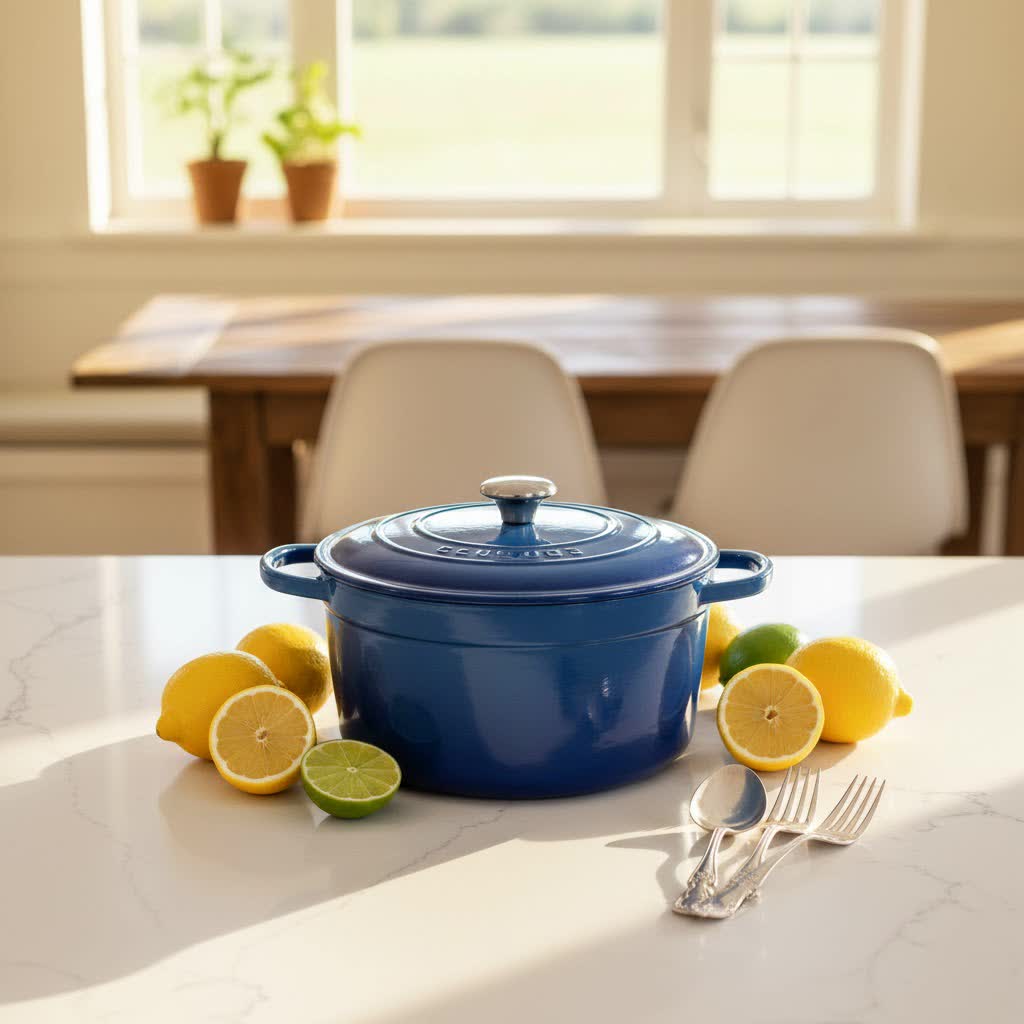
What is a Dutch Oven? Why You Need One?
A Dutch oven is a thick-walled cooking pot, typically made from cast iron, with a tight-fitting lid. Its robust construction and heavy material are designed to retain and distribute heat exceptionally well, making it ideal for a wide range of cooking techniques, from slow-simmering to high-heat searing.
The history of the Dutch oven can be traced back to 17th-century Netherlands, where a specialized casting process for metal pots was developed. An English inventor, Abraham Darby, later adapted this method to produce cheaper cast iron cookware, and the name “Dutch oven” stuck. Over time, innovations like enamel coatings, notably popularized by French companies in the 20th century, broadened its appeal, offering easier maintenance and vibrant aesthetics without sacrificing performance.
The advantages of using a Dutch oven are numerous. Its superior heat retention allows for consistent cooking temperatures, essential for tenderizing tough cuts of meat or achieving perfectly baked bread with a crisp crust. The tight-fitting lid traps moisture and flavors, ensuring your dishes remain juicy and aromatic. Furthermore, its ability to transition seamlessly from stovetop to oven makes it an incredibly versatile tool, allowing you to sear ingredients for a rich fond, then braise them slowly to perfection all in one pot. This means less cleanup and more concentrated flavor in every dish.
Dutch Oven Types: Which One is Right for You?
Dutch ovens come in several materials, each offering distinct characteristics that cater to different cooking styles and preferences. Understanding these differences is key to choosing the best companion for your kitchen.
Bare Cast Iron Dutch Ovens represent the traditional form. These ovens are praised for their exceptional heat retention and durability, often lasting for generations when properly cared for. They develop a natural non-stick surface over time through a process called seasoning, where layers of baked-on oil create a protective patina. However, they are heavy and require meticulous maintenance, including regular seasoning and thorough drying, to prevent rust. Acidic foods can also strip their seasoning.
Enameled Cast Iron Dutch Ovens combine the best features of cast iron with a durable, glass-like enamel coating. This coating prevents rust, eliminates the need for seasoning, and makes the pot non-reactive to acidic ingredients, allowing you to cook a wider variety of foods without concern. Enameled Dutch ovens are also easier to clean and come in a vast array of colors. The main drawbacks are their higher cost, susceptibility to chipping if mishandled, and similar heavy weight to bare cast iron versions.
Aluminum Dutch Ovens are a lighter alternative. Aluminum conducts heat quickly and is easier to maneuver than cast iron. While they are more affordable and lightweight, they don’t retain heat as effectively as cast iron, making them less ideal for dishes requiring long, slow, even cooking.
Ceramic Dutch Ovens offer a non-toxic, often lighter option. They are generally good for even heating but can be more fragile than metal counterparts, prone to breaking if dropped or subjected to rapid temperature changes.
Stainless Steel Dutch Ovens are another lightweight and easy-to-clean option. They are durable and non-reactive, but like aluminum, they typically lack the heavy-duty construction and excellent heat retention necessary for true slow cooking or high-temperature baking associated with traditional Dutch ovens.
Detailed Comparison Table of Dutch Oven Types
|
Our Picks for the Best Dutch Oven in 2026
As an Amazon Associate I earn from qualifying purchases.
|
||
| Num | Product | Action |
|---|---|---|
| 1 | Lodge 6 Quart Enameled Cast Iron Dutch Oven with Lid – Dual Handles – Oven Safe up to 500° F or on Stovetop - Use to Marinate, Cook, Bake, Refrigerate and Serve – Burnt Sienna |

|
| 2 | Lodge 6 Quart Enameled Cast Iron Dutch Oven with Lid – Dual Handles – Oven Safe up to 500° F or on Stovetop - Use to Marinate, Cook, Bake, Refrigerate and Serve – Apricot |
|
| 3 | Lodge 6 Quart Enameled Cast Iron Dutch Oven with Lid – Dual Handles, Oven Safe up to 500°F, Stovetop Compatible – Marinate, Cook, Bake, Refrigerate & Serve – Oyster White |
|
| 4 | Lodge 6 Quart Enameled Cast Iron Dutch Oven with Lid – Dual Handles – Oven Safe up to 500° F or on Stovetop - Use to Marinate, Cook, Bake, Refrigerate and Serve – Avocado |
|
| 5 | Lodge 6 Quart Enameled Cast Iron Dutch Oven with Lid – Dual Handles – Oven Safe up to 500° F or on Stovetop - Use to Marinate, Cook, Bake, Refrigerate and Serve – Cranberry |
|
| 6 | Lodge 6 Quart Enameled Cast Iron Dutch Oven with Lid – Dual Handles – Oven Safe up to 500° F or on Stovetop - Use to Marinate, Cook, Bake, Refrigerate and Serve – Blue |
|
| 7 | HomeVSS 5.5-Quart Enameled Cast Iron Dutch Oven with Lid & Dual Handles – Heavy-Duty for Bread Baking, Braising, Stews, Roasting, Oven & Induction Compatible, Blue |
|
| 8 | Lodge 6 Quart Enameled Cast Iron Dutch Oven with Lid – Dual Handles – Oven Safe up to 500° F or on Stovetop - Use to Marinate, Cook, Bake, Refrigerate and Serve – Cornflower Blue |
|
| 9 | HomeVSS 5.5-Quart Enameled Cast Iron Dutch Oven with Lid & Dual Handles – Heavy-Duty for Bread Baking, Braising, Stews, Roasting, Oven & Induction Compatible, Orange |
|
| 10 | HomeVSS 5.5-Quart Enameled Cast Iron Dutch Oven with Lid & Dual Handles – Heavy-Duty for Bread Baking, Braising, Stews, Roasting, Oven & Induction Compatible, Red |
|
| Feature | Cast Iron (Bare) | Enameled Cast Iron | Aluminum |
|---|---|---|---|
| Heat Retention | Excellent | Excellent | Moderate |
| Durability | Very High | High | Moderate |
| Cleaning | Moderate (requires seasoning care) | Easy | Easy |
| Weight | Heavy | Heavy | Light |
| Price | Moderate | High | Low to Moderate |
How to Choose a Dutch Oven: Key Factors
Selecting the right Dutch oven involves considering your cooking habits, kitchen space, and budget. These factors will guide you toward a pot that serves your needs for years to come.
Size and Capacity are crucial. For individuals or couples, a 3- to 4-quart Dutch oven might suffice, perfect for smaller meals. A 5.5- to 7-quart model is often considered the most versatile size for families of four to six, accommodating larger roasts, stews, and bread loaves without being overly cumbersome. If you frequently cook for large gatherings or want to prepare big batches for meal prepping, an 8- to 10-quart or larger oven could be more suitable, though it will be heavier and require more storage space.
The material choice, as discussed, depends on your priorities. If you value low-maintenance and aesthetic appeal, enameled cast iron is likely your best bet. If you prefer a rustic cooking experience and don’t mind the seasoning process, bare cast iron might be for you.
Brand reputation often correlates with quality. Established brands like Le Creuset, Staub, and Lodge are known for their craftsmanship and performance. While Le Creuset and Staub represent a significant investment, they are often considered heirloom pieces. Lodge offers excellent value, providing durable and reliable options at a more accessible price point for both bare and enameled cast iron. Consider customer reviews and warranty offerings as well.
The lid design can also impact performance. A tight-fitting lid is paramount for trapping moisture and heat. Some brands, like Staub, feature self-basting lids with small spikes or nubs on the underside, designed to collect condensation and drip it back onto the food, ensuring even moisture distribution. A flat lid is generally preferred for stacking or if you plan to invert it for baking.
Lastly, inspect the handles. Large, sturdy loop handles are essential for safely lifting a heavy Dutch oven, especially when wearing oven mitts. Ensure they offer a comfortable and secure grip. Some models also feature heat-resistant knobs on the lid, which are practical for oven use.
Top-Rated Dutch Ovens Currently
Among the vast array of Dutch ovens available, a few brands consistently stand out for their quality, performance, and durability. These top picks cater to different budgets and preferences, offering something for every home cook.
Le Creuset Signature Round Dutch Oven is often hailed as the gold standard. Renowned for its impeccable craftsmanship and vibrant enamel finishes, Le Creuset Dutch ovens offer exceptional heat distribution and retention. They are notably lighter than many other cast iron options of similar size, making them easier to handle. While they come with a higher price tag, their longevity and superior cooking performance make them a worthwhile investment for serious home cooks. Users praise their durable enamel, wide-looped handles, and consistent results in searing, braising, and baking.
The Staub Round Cocotte is another high-end contender, celebrated for its robust build and self-basting lid. The unique spike design on the interior of the lid continuously returns moisture to the food, resulting in incredibly tender and flavorful dishes, particularly stews and braises. Staub’s enamel is often darker on the interior, which some chefs prefer for monitoring browning, and it’s known for its excellent searing capabilities and chip resistance. Like Le Creuset, Staub is a premium brand, offering an heirloom-quality piece of cookware.
For those seeking excellent performance without the premium price, the Lodge Enameled Cast Iron Dutch Oven is a highly recommended budget-friendly option. Lodge has earned a reputation for producing sturdy, reliable cast iron cookware, and their enameled Dutch ovens are no exception. They offer impressive heat retention and even cooking, standing up well to daily use. While perhaps not as aesthetically refined as their European counterparts, Lodge Dutch ovens are incredibly functional, durable, and provide exceptional value, making them a popular choice for everyday cooking.
Using and Caring for Your Dutch Oven
Proper use and maintenance are key to extending the life of your Dutch oven, especially for bare cast iron. With a little care, these pots can truly last a lifetime.
Seasoning Bare Cast Iron is a crucial step to create a natural non-stick surface and protect against rust. To season, start with a clean, dry Dutch oven. Apply a very thin, even layer of high smoke point cooking oil (like vegetable, canola, or grapeseed oil) over all surfaces, inside and out. Wipe away any excess oil until the surface looks almost dry. Place the Dutch oven upside down on the middle rack of an oven preheated to 450-500°F (230-260°C) with aluminum foil on the rack below to catch any drips. Bake for one hour, then turn off the oven and let the Dutch oven cool completely inside. Repeat this process several times to build up a strong, durable seasoning. Regular cooking with oil will further enhance the seasoning.
Cleaning your Dutch oven requires a gentle approach. For both bare and enameled cast iron, handwashing is generally recommended over dishwashers, which can damage seasoning or enamel. Use hot water and a soft brush or sponge. For bare cast iron, avoid harsh detergents that strip seasoning. For stuck-on food, you can simmer water in the pot, then gently scrape with a wooden spoon. For stubborn residue in bare cast iron, a paste of coarse salt and a little water can act as an abrasive scrub without damaging the seasoning. Always dry bare cast iron thoroughly immediately after washing, then apply a very thin layer of cooking oil before storing to prevent rust.
Proper storage is also important. Ensure your Dutch oven is completely dry before putting it away. For bare cast iron, a thin layer of oil after drying is vital. Store with the lid slightly ajar to allow for air circulation, preventing moisture buildup and odors. If stacking, place a paper towel or cloth between the pot and lid to protect the surfaces.
Delicious Recipes to Make in Your Dutch Oven
The Dutch oven’s versatility shines brightest when it comes to cooking. Its ability to manage heat and moisture makes it perfect for a wide range of dishes that are both comforting and impressive.
Hearty Stews and Braises are a natural fit for a Dutch oven. Dishes like beef stew, coq au vin, or lamb tagine benefit from the low and slow cooking environment, which tenderizes tougher cuts of meat and allows flavors to meld beautifully. You can sear your meat and vegetables directly in the pot on the stovetop, building a rich fond, then add liquids and transfer the entire pot to the oven for hours of gentle simmering. Remember to add more delicate vegetables like potatoes and carrots partway through cooking to ensure they are tender but not mushy.
Roasts of all kinds thrive in a Dutch oven. A whole roast chicken, pork shoulder, or pot roast comes out incredibly moist and flavorful. The enclosed environment creates a mini-oven effect, steaming the meat while allowing it to brown beautifully. The tight lid helps trap juices, resulting in exceptionally tender results.
Perhaps one of the most beloved uses for a Dutch oven is baking crusty, artisanal bread. Preheating the empty Dutch oven in a hot oven creates an intense heat source. When the dough is placed inside and the lid is sealed, the trapped steam produces a beautiful, glossy, and crunchy crust that’s difficult to achieve with other methods. No-knead bread recipes are particularly popular for Dutch ovens.
Beyond these staples, Dutch ovens are also excellent for soups, chili, deep-frying, and even baking casseroles or desserts. The possibilities are truly endless, limited only by your imagination.
Where to Buy a Dutch Oven
Ready to add a Dutch oven to your kitchen arsenal? You have several convenient options for purchasing this versatile piece of cookware.
Traditional brick-and-mortar stores are a great place to start. Department stores, specialty kitchenware shops, and even some big-box retailers typically carry a selection of Dutch ovens, allowing you to see and feel the different models, check their weight, and assess sizes in person. This can be especially helpful for larger investments like Le Creuset or Staub, where you might want to inspect the finish and handle comfort.
Online retailers offer the widest selection and often competitive pricing. Websites like Amazon, Williams Sonoma, Sur La Table, and the official brand websites (Lodge, Le Creuset, Staub, etc.) provide comprehensive product descriptions, customer reviews, and comparative features. When buying online, pay close attention to the listed capacity, dimensions, and weight, as Dutch ovens can be surprisingly heavy. Check the seller’s return policy and warranty information before making a purchase. Look out for sales events, especially around holidays, which can offer significant discounts on higher-end models.
The Dutch oven stands as a testament to timeless cookware, proving that some kitchen tools never go out of style. Its unparalleled heat retention, versatility, and durability make it an indispensable asset for creating a vast array of delicious, comforting meals. From perfectly braised meats to artisanal bread, a Dutch oven empowers you to explore new culinary frontiers with confidence. Investing in a quality Dutch oven is more than just buying a pot; it’s about investing in a lifetime of exceptional cooking experiences. What delicious creation will you embark on first with your new Dutch oven?
Frequently Asked Questions
What’s the main difference between a Dutch oven and a slow cooker?
A Dutch oven is a versatile pot that can be used on both the stovetop and in the oven, offering superior searing capabilities and high-heat baking. A slow cooker, on the other hand, is an electric appliance designed specifically for long, low-temperature cooking, often without the browning or baking functions of a Dutch oven.
Can I use a Dutch oven on an induction cooktop?
Yes, most cast iron (bare or enameled) Dutch ovens are compatible with induction cooktops because cast iron is a ferromagnetic material. Always check the manufacturer’s specifications to confirm compatibility with your specific cooktop.
Is a heavy Dutch oven better than a lighter one?
Generally, a heavier Dutch oven, especially one made of cast iron, indicates thicker walls and better heat retention and distribution. This mass is crucial for consistent temperatures needed for slow cooking and even baking, leading to superior cooking results.
How do I prevent food from sticking in my Dutch oven?
For bare cast iron, proper seasoning is key to a non-stick surface. For enameled Dutch ovens, using enough fat, preheating correctly, and avoiding excessively high temperatures can prevent sticking. Always ensure your food is at room temperature before adding it to a hot pot.
Can I put my Dutch oven in the dishwasher?
While some enameled Dutch ovens are advertised as dishwasher-safe, handwashing is almost always recommended to protect the enamel finish and prevent potential chipping or dulling over time. Bare cast iron should never go in the dishwasher, as it will strip the seasoning and cause rust.
