Are you looking for a versatile kitchen tool that can transform your cooking, from hearty stews to perfectly baked bread? The 4-quart Dutch oven might just be the answer. This compact yet powerful piece of cookware is an indispensable item for individuals, couples, and small families, opening up a world of culinary possibilities without overwhelming your kitchen space.
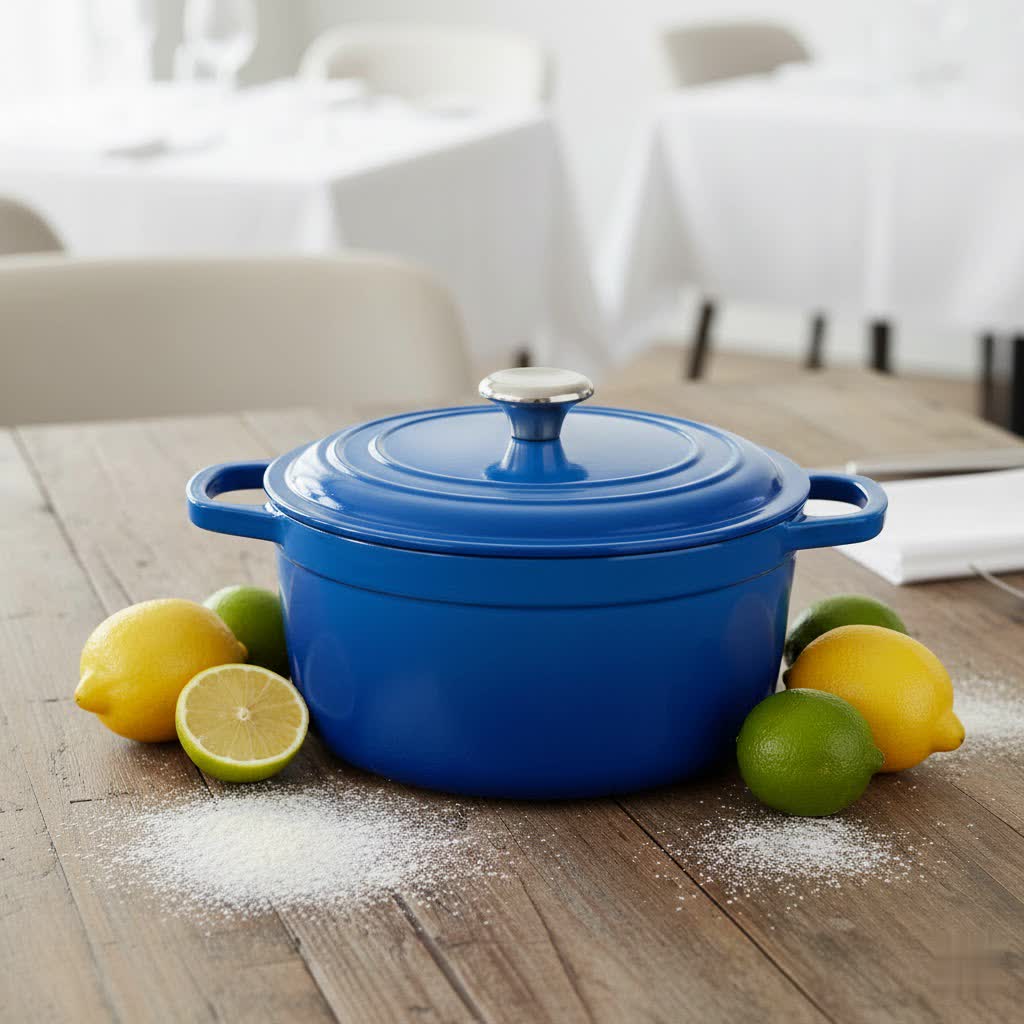
What is a Dutch Oven? Why You Need a 4-Quart Size
A Dutch oven is a heavy, lidded pot, typically made from cast iron, renowned for its exceptional ability to retain and distribute heat evenly. Its thick walls and tight-fitting lid create a consistent cooking environment, making it ideal for a wide array of dishes. While the general concept dates back centuries, modern Dutch ovens have evolved to offer both traditional utility and contemporary convenience.
Historically, Dutch ovens have been staples in kitchens and campsites alike, prized for their durability and versatility. The name “Dutch oven” is said to originate from an Englishman, Abraham Darby, who studied a Dutch method for casting metal in the early 18th century, bringing the technique back to his homeland.
The advantages of using a Dutch oven in your cooking are numerous. They excel at slow-cooking, braising, roasting, baking, simmering, sautéing, and even deep-frying. This makes them a true multi-tasker, capable of preparing everything from tender meats that fall off the bone to crusty loaves of sourdough bread. The 4-quart size, in particular, strikes a perfect balance: it’s large enough to prepare meals for one to two people or small families without being too heavy or taking up excessive counter space. It’s often considered the “sweet spot” for many popular recipes, including no-knead bread, and is a fantastic entry point into the world of Dutch oven cooking.
Classifying Dutch Ovens: Finding Your Perfect Match
Dutch ovens come in various materials, each offering distinct characteristics that influence performance, maintenance, and aesthetics. Understanding these differences is crucial to selecting the right 4-quart model for your culinary adventures.
Cast Iron Dutch Ovens (Traditional)
- Advantages: These are the workhorses of the Dutch oven world. They offer superior heat retention, ensuring your food cooks evenly and stays warm longer. Cast iron is incredibly durable and, with proper care, can last for generations. Many outdoor enthusiasts prefer traditional cast iron Dutch ovens for campfire cooking due to their robustness.
- Disadvantages: Traditional cast iron is heavy and requires seasoning (a process of baking oil onto the surface) to create a natural non-stick layer and prevent rust. They also require specific cleaning methods to maintain the seasoning.
|
Our Picks for the Best Dutch Oven in 2026
As an Amazon Associate I earn from qualifying purchases.
|
||
| Num | Product | Action |
|---|---|---|
| 1 | Lodge 6 Quart Enameled Cast Iron Dutch Oven with Lid – Dual Handles – Oven Safe up to 500° F or on Stovetop - Use to Marinate, Cook, Bake, Refrigerate and Serve – Cornflower Blue |

|
| 2 | Lodge 6 Quart Enameled Cast Iron Dutch Oven with Lid – Dual Handles – Oven Safe up to 500° F or on Stovetop - Use to Marinate, Cook, Bake, Refrigerate and Serve – Cranberry |
|
| 3 | HomeVSS 5.5-Quart Enameled Cast Iron Dutch Oven with Lid & Dual Handles – Heavy-Duty for Bread Baking, Braising, Stews, Roasting, Oven & Induction Compatible, Blue |
|
| 4 | Lodge 6 Quart Enameled Cast Iron Dutch Oven with Lid – Dual Handles, Oven Safe up to 500°F, Stovetop Compatible – Marinate, Cook, Bake, Refrigerate & Serve – Oyster White |
|
| 5 | Lodge 6 Quart Enameled Cast Iron Dutch Oven with Lid – Dual Handles – Oven Safe up to 500° F or on Stovetop - Use to Marinate, Cook, Bake, Refrigerate and Serve – Blue |
|
| 6 | Lodge 6 Quart Enameled Cast Iron Dutch Oven with Lid – Dual Handles – Oven Safe up to 500° F or on Stovetop - Use to Marinate, Cook, Bake, Refrigerate and Serve – Apricot |
|
| 7 | HomeVSS 5.5-Quart Enameled Cast Iron Dutch Oven with Lid & Dual Handles – Heavy-Duty for Bread Baking, Braising, Stews, Roasting, Oven & Induction Compatible, Red |
|
| 8 | HomeVSS 5.5-Quart Enameled Cast Iron Dutch Oven with Lid & Dual Handles – Heavy-Duty for Bread Baking, Braising, Stews, Roasting, Oven & Induction Compatible, Orange |
|
| 9 | Lodge 6 Quart Enameled Cast Iron Dutch Oven with Lid – Dual Handles – Oven Safe up to 500° F or on Stovetop - Use to Marinate, Cook, Bake, Refrigerate and Serve – Burnt Sienna |
|
| 10 | Lodge 6 Quart Enameled Cast Iron Dutch Oven with Lid – Dual Handles – Oven Safe up to 500° F or on Stovetop - Use to Marinate, Cook, Bake, Refrigerate and Serve – Avocado |
|
Enameled Cast Iron Dutch Ovens
- Advantages: Enameled cast iron combines the excellent heat retention of cast iron with the convenience of a non-reactive, easy-to-clean porcelain enamel coating. This means no seasoning is required, and they won’t react with acidic foods. They come in a vast array of vibrant colors, making them beautiful enough to go straight from the stove or oven to the table.
- Disadvantages: They are still heavy, similar to traditional cast iron. The enamel coating can chip if dropped or if metal utensils are used aggressively. They are often more expensive than bare cast iron.
Aluminum Dutch Ovens
- Advantages: Aluminum Dutch ovens are significantly lighter than their cast iron counterparts, making them easier to handle. They also heat up quickly. Some models feature non-stick coatings, further simplifying cooking and cleaning.
- Disadvantages: While they heat quickly, they generally do not retain heat as effectively or distribute it as evenly as cast iron. This can sometimes lead to hot spots and less consistent cooking results for slow-cooked dishes.
Detailed Comparison Table for Dutch Oven Types
| Feature | Cast Iron (Traditional) | Enameled Cast Iron | Aluminum |
|---|---|---|---|
| Heat Retention | Excellent | Excellent | Good |
| Durability | Very High | High | Medium |
| Cleaning | Difficult (requires care) | Easy (non-reactive enamel) | Easy (often non-stick) |
| Weight | Heavy | Heavy | Light |
| Seasoning | Required | Not Required | Not Required |
| Price | Moderate | High | Low-Moderate |
| Aesthetic | Rustic | Modern, Colorful | Modern, Functional |
How to Choose Your 4-Quart Dutch Oven: Key Factors
Selecting the right 4-quart Dutch oven involves considering several elements to ensure it perfectly matches your cooking style and needs.
Size and Capacity
For individuals or couples, a 4-quart Dutch oven is often the ideal size, providing enough capacity for personal meals and small batches of food without excess leftovers. It’s also perfectly suited for most no-knead bread recipes. If you frequently cook for three to four people, it can still work for many dishes, though a slightly larger 5-6 quart might offer more flexibility for bigger portions or roasts.
Material
Your choice of material — traditional cast iron, enameled cast iron, or aluminum — will depend on your priorities. If you value low maintenance and aesthetics, enameled cast iron is an excellent choice. For rugged durability and a more traditional cooking experience, bare cast iron is superior. If weight and quick heating are paramount, aluminum could be considered, though it’s less common for true “Dutch oven” performance.
Brand Reputation
Several brands are highly regarded in the Dutch oven market, known for their quality and performance.
- Lodge: Offers both traditional cast iron and more affordable enameled cast iron options, known for their durability and value.
- Le Creuset: A premium brand famous for its vibrant enameled cast iron Dutch ovens, exceptional heat retention, and heirloom quality.
- Staub: Another high-end enameled cast iron brand, known for its self-basting lids and textured matte interiors that enhance searing.
- Tramontina: Provides good quality, budget-friendly enameled cast iron Dutch ovens.
Lid Design
A tight-fitting lid is essential for a Dutch oven, trapping moisture and heat to create a self-basting environment. Some lids feature self-basting spikes or concentric condensation ridges on the underside, which help to return moisture to the food, keeping it tender and flavorful. A sturdy, heat-resistant knob, often stainless steel, is also important for safe handling.
Handles
Given the weight of Dutch ovens, especially when full, wide, looped handles are a critical feature. They provide a safe and comfortable grip, even when using oven mitts, making it easier to transfer the pot from stovetop to oven to table.
Top 4-Quart Dutch Ovens Favored by Home Cooks
While specific 4-quart models can vary, certain brands consistently receive high praise for their quality and suitability for this size.
- Lodge Enameled Cast Iron Dutch Oven (4.5 Quart): Lodge offers a slightly larger 4.5-quart option that is incredibly popular. It’s lauded for its robust construction, excellent heat distribution, and attractive enamel finish, all at a more accessible price point than premium brands. It’s a fantastic all-rounder for everyday cooking and baking.
- Staub Cast Iron Round Cocotte (4 Quart / 24cm): Staub’s 4-quart cocotte is a favorite among those who appreciate superior craftsmanship. Its innovative chistera lid design (with self-basting spikes) and matte black enameled interior are perfect for achieving beautifully seared meats and incredibly moist dishes. It’s an investment, but one that promises exceptional performance and longevity.
- Le Creuset Signature Round Dutch Oven (4.5 Quart / 24cm): Le Creuset’s iconic Dutch ovens are celebrated for their vibrant colors, ergonomic design, and unparalleled heat retention. The 4.5-quart size is ideal for small families and couples, offering the perfect blend of capacity and handling. While on the higher end of the price spectrum, its quality and durability often make it an heirloom piece.
Mastering Your 4-Quart Dutch Oven: Usage and Care
To get the most out of your 4-quart Dutch oven and ensure its longevity, proper usage and maintenance are key.
Seasoning (for traditional cast iron)
If you opt for a traditional, bare cast iron Dutch oven, seasoning is crucial. This involves applying a thin layer of cooking oil (like vegetable oil or flaxseed oil) and baking the pot at a high temperature. This process creates a polymerized layer that protects against rust and provides a natural non-stick surface. Repeat seasoning regularly for best results.
Cleaning Your Dutch Oven
- Enameled Cast Iron: These are relatively easy to clean. Allow the pot to cool completely before washing. Use warm soapy water and a non-abrasive sponge or brush. For stubborn food residues, a gentle scrub with baking soda or a short soak in warm water can help. While some manufacturers claim dishwasher-safe, hand washing is generally recommended to preserve the enamel finish and prevent chipping.
- Traditional Cast Iron: Avoid harsh soaps, as they can strip the seasoning. After cooking, scrape out any food residue, then wash with hot water and a stiff brush (not soap). Dry immediately and thoroughly, then apply a very thin layer of cooking oil to the interior before storing.
Storage
Ensure your Dutch oven is completely dry before storing to prevent rust, especially for bare cast iron. For enameled models, storing with a pot protector or a kitchen towel between the lid and the pot can prevent scratches and chips. Store in a cool, dry place.
Culinary Delights: Recipes for Your 4-Quart Dutch Oven
The 4-quart Dutch oven is incredibly versatile, perfect for a wide range of dishes, especially those that benefit from consistent, even heat.
- Hearty Stews: Ideal for classic beef stew, lamb korma, or a warming vegetable stew. The deep sides minimize splatter, and the even heat ensures tender meat and vegetables.
- Soups: From a rich French onion soup to a creamy tomato bisque or a simple chicken noodle soup, your 4-quart Dutch oven will create deeply flavored broths.
- Braised Meats: Perfect for smaller cuts of braised short ribs, chicken thighs in wine, or a tender pork shoulder. The tight lid locks in moisture for fall-off-the-bone results.
- No-Knead Bread: This is where the 4-quart size truly shines. Many popular no-knead bread recipes specifically recommend a 4-quart Dutch oven to achieve a crispy crust and a fluffy interior by creating steam inside the pot.
- Small Roasts: Cook a whole small chicken (often referred to as “chicken en cocotte”) or a small pot roast with vegetables.
- Pasta Dishes: One-pot pasta meals, like a creamy mac and cheese or a pasta sauce, can be easily prepared in this size.
- Frying: Its deep sides and excellent heat retention make it suitable for deep-frying smaller batches of items like fried chicken or pork cutlets.
> “The 4-quart Dutch oven is a testament to the fact that you don’t need a massive pot to achieve culinary greatness. Its size encourages creativity and efficiency, making it perfect for intimate meals and exploratory cooking.” – Admin, reviewraudo.com Dutch Oven Expert
Where to Purchase a Reliable 4-Quart Dutch Oven
Finding a high-quality 4-quart Dutch oven is easier than ever with various reputable retailers available.
- Specialty Cookware Stores: Stores specializing in kitchenware often carry a wide selection of top brands like Le Creuset and Staub, allowing you to see and feel the products firsthand.
- Department Stores: Many larger department stores feature dedicated kitchen sections where you can find various Dutch oven brands, including popular options like Lodge and Cuisinart.
- Online Retailers: Websites like Amazon, Wayfair, and the official brand websites (Lodge, Le Creuset, Staub, Tramontina) offer extensive selections, competitive pricing, and user reviews. Be sure to check product dimensions and weight when buying online.
- Warehouse Clubs: Stores like Costco or Sam’s Club sometimes offer excellent deals on Dutch oven sets, including 4-quart options, especially around holidays.
When purchasing online, always read reviews, check the seller’s return policy, and confirm the exact dimensions to ensure it fits your stovetop and oven.
Conclusion
The 4-quart Dutch oven is a remarkably versatile and essential piece of cookware that deserves a place in any kitchen. Whether you’re a seasoned chef or just beginning your culinary journey, its ability to master everything from slow-cooked stews and braises to perfectly baked bread makes it an invaluable asset. By understanding the different materials, considering key features, and following proper care instructions, you can choose a 4-quart Dutch oven that will serve you faithfully for years to come, enriching your cooking experience and bringing delicious meals to your table.
What culinary masterpieces will you create with your 4-quart Dutch oven?
Frequently Asked Questions
Is a 4-quart Dutch oven big enough for a family?
A 4-quart Dutch oven is generally ideal for 1-2 people or small families. It’s excellent for smaller roasts, soups, stews, and side dishes. For larger families (4+ people) or when cooking for guests, a 5-6 quart or larger might offer more versatility.
Can I bake bread in a 4-quart Dutch oven?
Yes, a 4-quart Dutch oven is often the recommended size for baking no-knead bread. It creates the perfect steamy environment for a crispy crust and a well-risen loaf.
How do I prevent my enameled Dutch oven from chipping?
To prevent chipping, avoid using metal utensils, extreme temperature changes (like placing a hot pot in cold water), and dropping the pot. Hand washing with a soft sponge is also recommended over dishwasher use.
What are the main differences between a 4-quart and a 6-quart Dutch oven?
The primary difference is capacity. A 4-quart is suited for 1-2 servings or smaller dishes, while a 6-quart is better for 3-5 servings, larger roasts, or batch cooking. The 6-quart is often considered a general “everyday” size for many households, while the 4-quart is more specialized for smaller portions.
Do I need to season an enameled 4-quart Dutch oven?
No, enameled Dutch ovens do not require seasoning. The porcelain enamel coating provides a non-reactive, easy-to-clean surface right out of the box. Only traditional, bare cast iron Dutch ovens need to be seasoned.
