Stepping into the world of Dutch ovens opens up a realm of culinary possibilities, from slow-cooked stews to artisan bread. While cast iron and enameled cast iron often dominate the conversation, ceramic Dutch ovens offer a compelling alternative for many home cooks. These versatile pots are celebrated for their unique blend of performance, ease of use, and distinct aesthetics, making them a worthy addition to any kitchen. This guide will explore everything you need to know about ceramic Dutch ovens, helping you discover if this elegant cookware is your perfect kitchen companion.
What Exactly is a Ceramic Dutch Oven?
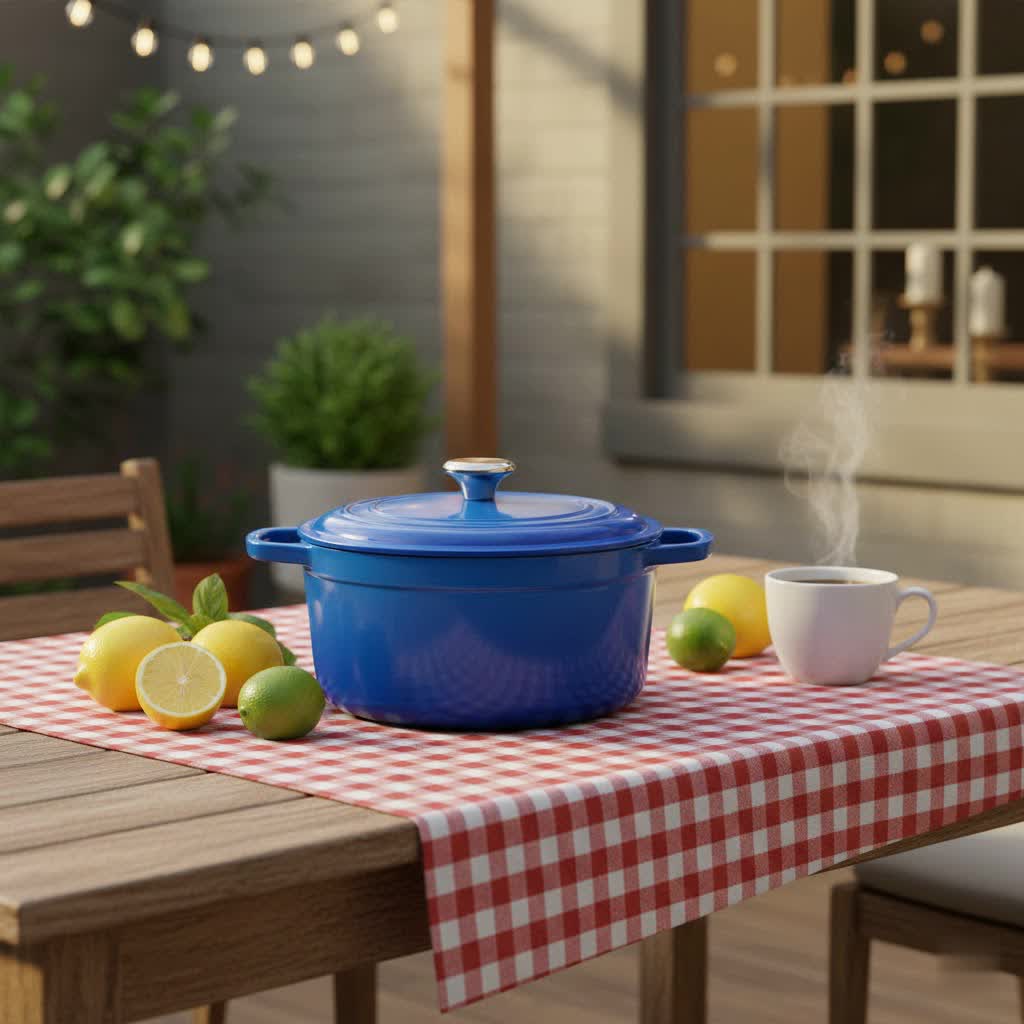
A Dutch oven, at its core, is a heavy-duty cooking pot with a tight-fitting lid, designed for even heat distribution and moisture retention. While traditionally made from cast iron, the landscape of Dutch ovens has evolved to include various materials, with ceramic being a notable contender. Ceramic Dutch ovens are typically crafted from high-fired clay or stoneware, often with a glazed finish, offering a non-reactive cooking surface. Some modern iterations also feature a ceramic coating over a lightweight aluminum core, combining the benefits of ceramic with reduced weight. They stand apart from enameled cast iron by either being entirely ceramic or using a distinct ceramic non-stick coating, rather than a glass-based enamel fused to cast iron. This material choice brings a different set of characteristics to your cooking experience.
Why Choose Ceramic? Unpacking the Benefits
Ceramic Dutch ovens bring a host of advantages that appeal to many home cooks. One significant benefit is their non-reactive cooking surface. Unlike uncoated cast iron, ceramic will not interact with acidic ingredients like tomatoes or wine, preserving the pure flavors of your dishes and preventing metallic aftertastes. This makes them ideal for a wide range of recipes, from zesty braises to rich tomato sauces.
Another highly appreciated feature is their lighter weight compared to their cast iron counterparts. This can make a substantial difference when lifting a pot full of food in and out of the oven, or simply moving it around your kitchen. Their reduced heft contributes to easier handling and storage, reducing strain during daily use.
When it comes to cleaning and maintenance, ceramic Dutch ovens are remarkably user-friendly. Most models do not require the intricate seasoning process typical of traditional cast iron. Their smooth, often glazed surface is naturally resistant to sticking, making cleanup a breeze. Many ceramic Dutch ovens are also dishwasher safe, offering unparalleled convenience after a satisfying meal.
Ceramic material is also excellent at providing even heat distribution. While it may not retain heat for quite as long as cast iron once removed from the heat source, it heats up steadily and distributes warmth consistently across the cooking surface. This uniform heating is crucial for slow-cooked dishes, ensuring ingredients cook thoroughly and flavors meld perfectly without hot spots.
Beyond their functional prowess, ceramic Dutch ovens also boast a distinct aesthetic appeal. Available in a wide array of vibrant colors and elegant designs, they can seamlessly transition from the stovetop or oven to your dining table, serving as a beautiful centerpiece. Lastly, many ceramic Dutch ovens are celebrated for being non-toxic and PFOA-free, appealing to health-conscious cooks seeking cleaner cooking solutions.
Understanding the Limitations: Potential Drawbacks of Ceramic Dutch Ovens
While ceramic Dutch ovens offer many advantages, it’s also important to understand their potential limitations. The primary concern often revolves around their fragility. Pure ceramic or stoneware can be more prone to chipping, cracking, or even shattering if dropped or subjected to sudden, extreme temperature changes. Thermal shock, such as placing a hot ceramic pot directly into cold water or a cold pot into a very hot oven without preheating, can lead to damage. This requires a more gentle approach to handling and care than with robust cast iron.
In terms of heat retention, ceramic Dutch ovens typically don’t hold onto heat for as long as heavy cast iron ones once they are off the heat source. While they provide excellent heat distribution during cooking, food may cool down quicker when served directly from the pot. For dishes that benefit from prolonged residual heat, this might be a factor to consider.
Some users also find that ceramic Dutch ovens may not achieve the same deep searing capabilities as cast iron. While they can brown ingredients effectively, the intense, high-temperature crust often associated with cast iron-seared meats might be harder to achieve with some ceramic models, especially those with ceramic-coated aluminum cores.
Finally, their versatility can sometimes be a point of difference. Fully ceramic Dutch ovens are generally not suitable for use over open flames or campfires, a common application for traditional cast iron. While they perform beautifully on stovetops and in ovens, their range of compatible heat sources might be slightly more restricted.
Ceramic vs. The Competition: A Comparative Look
Understanding how ceramic Dutch ovens stack up against their enameled and bare cast iron counterparts is crucial for making an informed decision. Each material offers distinct characteristics that cater to different cooking styles and preferences.
| Feature | Ceramic (Pure & Coated) | Enameled Cast Iron | Traditional Cast Iron |
|---|---|---|---|
| Weight | Lighter to moderately heavy | Heavy | Very Heavy |
| Heat Retention | Good, but cools faster | Excellent | Superior, long-lasting |
| Durability | More fragile, prone to chips | Durable, but enamel can chip | Extremely durable, rusts if not cared for |
| Maintenance | Easy to clean, no seasoning | Easy to clean, no seasoning | Requires seasoning & special cleaning |
| Reactivity | Non-reactive | Non-reactive | Reactive with acidic foods |
| Searing Ability | Good, but less intense crust | Excellent | Excellent |
| Thermal Shock | Sensitive | Moderately sensitive | Highly resistant |
| Open Flame Use | Generally not recommended | Not recommended | Excellent |
| Price | Moderate to High | Moderate to Very High | Low to Moderate |
Ceramic vs. Enameled Cast Iron: The most common comparison, enameled cast iron combines a cast iron core with a vitreous enamel coating. Enameled cast iron excels in heat retention and searing, matching ceramic’s non-reactivity and ease of cleaning. However, it is significantly heavier and the enamel can chip. Ceramic, being lighter, offers easier handling but is generally more prone to breakage or thermal shock.
Ceramic vs. Traditional Cast Iron: Traditional (bare) cast iron offers superior heat retention, exceptional searing, and incredible durability, often at a lower price point. It’s also highly versatile, suitable for campfires. The main trade-off is the need for regular seasoning, careful cleaning (no soap), and its reactivity with acidic foods. Ceramic, in contrast, is non-reactive, easier to clean, and requires no seasoning, albeit with less extreme heat retention and more fragility.
How to Choose the Perfect Ceramic Dutch Oven
Selecting the right ceramic Dutch oven involves considering several factors to ensure it meets your specific cooking needs and lifestyle.
The size and capacity are paramount. A 5 to 7-quart Dutch oven is a versatile choice for most families, suitable for a range of dishes from stews to roasts and bread. Smaller sizes are perfect for side dishes or single servings, while larger ones are ideal for batch cooking or entertaining.
Consider the material type: are you looking for a pure, solid ceramic pot or a ceramic-coated aluminum option? Pure ceramic models, like those from Emile Henry, offer excellent even heating and can be very lightweight for their size, though they might be more susceptible to breakage. Ceramic-coated aluminum, such as Caraway, provides a non-stick, non-toxic surface over a lightweight metal core, balancing durability with ease of handling.
Brand reputation plays a crucial role in quality and performance. Brands like Emile Henry are renowned for their high-quality, pure ceramic stoneware, often favored for bread baking. Caraway is known for its stylish, ceramic-coated aluminum Dutch ovens with a focus on non-toxic materials. Aroma HotPot and DoveWare also offer ceramic options with good heat distribution and durability.
Examine the lid and handle design. A tight-fitting lid is essential for moisture retention, and some feature self-basting nubs. Handles should be sturdy, wide, and comfortable to grip, especially when wearing oven mitts, as even lighter ceramic pots can become cumbersome when full. Also, verify the oven-safe temperature of any ceramic Dutch oven to ensure it aligns with your typical baking and roasting needs.
Top Ceramic Dutch Ovens to Consider
While enameled cast iron often steals the spotlight, several excellent ceramic Dutch ovens offer distinct advantages for the discerning cook.
- Emile Henry Round Stewpot Dutch Oven: This French brand is a favorite among home bakers and cooks for its pure ceramic construction. Known for its exceptional ability to maintain consistent temperatures, it’s particularly praised for baking crusty artisan bread. These pots are remarkably lightweight for their heat performance, making them easy to handle. They offer even heat distribution, are oven-safe to high temperatures, and the glaze is scratch-resistant and easy to clean. However, being pure ceramic, they do require careful handling to prevent chipping or cracking from impacts or extreme thermal shock.
- Caraway Dutch Oven: Offering a modern approach, Caraway Dutch ovens feature a ceramic non-stick coating over an aluminum core. This design results in a significantly lighter pot, making it incredibly easy to maneuver. The non-toxic ceramic coating ensures a clean cooking surface and effortless food release. While they might not achieve the deep, cast-iron-like sear, they excel in slow cooking, braising, and stewing, and are a stylish, functional addition to any kitchen, known for their vibrant color options.
- Aroma HotPot/DoveWare Ceramic Dutch Oven: These pots are typically crafted from high-fired clay with an enamel glaze, offering robust durability and good heat distribution. They are often noted for their shock-resistant design, allowing transfer from freezer to oven without damage (always check specific model instructions). They are also often compatible with various stovetops, including induction, and are usually dishwasher-safe, providing great versatility and ease of cleaning.
Care and Maintenance for Your Ceramic Dutch Oven
Proper care will ensure your ceramic Dutch oven remains a cherished piece of cookware for years to come.
Cleaning is straightforward. Most ceramic Dutch ovens are dishwasher safe, making post-meal cleanup effortless. For handwashing, use warm soapy water and a soft sponge or cloth. Avoid abrasive scrubbers or harsh detergents, which can damage the glaze or coating. For stubborn baked-on food, a gentle soak in warm water can help loosen residue before washing.
It is crucial to avoid thermal shock with pure ceramic Dutch ovens. Always allow the pot to cool down gradually before washing, and avoid placing a very cold pot directly into a preheated hot oven, or vice-versa. Gradual temperature changes are key to preventing cracks. For ceramic-coated aluminum, this concern is less pronounced but still good practice.
When it comes to storage, ensure your ceramic Dutch oven is completely dry before putting it away to prevent any potential moisture buildup. Storing the lid slightly ajar can promote air circulation. If stacking other cookware on top, place a soft cloth or pot protector between the pieces to prevent scratches or chips.
Unlocking Culinary Delights: Best Uses for Your Ceramic Dutch Oven
The ceramic Dutch oven’s unique properties make it an exceptional tool for a variety of dishes. Its even heating and moisture-retaining lid are perfect for hearty stews and tender braises, allowing ingredients to simmer gently and flavors to deepen over time. From rich beef bourguignon to aromatic chicken tagines, the results are consistently delicious.
For bakers, the ceramic Dutch oven is a secret weapon for baking artisan bread. Its ability to trap steam creates a perfect environment for a rustic, crackling crust and a soft, airy interior. Simply preheat the pot, add your dough, and bake for bakery-quality loaves at home.
Beyond these, ceramic Dutch ovens are excellent for preparing flavorful soups, from creamy bisques to chunky vegetable broths. They are also suitable for lighter roasts, such as chicken or pork tenderloin, ensuring they cook evenly and remain juicy. And, thanks to their non-reactive surface, they are the ideal vessel for any dish featuring acidic ingredients, allowing you to create vibrant tomato sauces, chili, or lemon-infused poultry without concern.
Where to Buy Ceramic Dutch Ovens
Finding your ideal ceramic Dutch oven is easier than ever with a variety of retail options available. You can typically find a good selection at specialty kitchen and home goods stores, where you can physically inspect the quality, weight, and aesthetics of different models.
Online retailers like Amazon, Wayfair, and the official websites of brands such as Emile Henry, Caraway, and Aroma, offer extensive selections, competitive pricing, and user reviews. When buying online, always read product descriptions carefully to distinguish between pure ceramic and ceramic-coated options. Pay attention to customer reviews regarding durability, heat performance, and ease of cleaning. Checking the return policy is also a wise step to ensure a satisfactory purchase.
Conclusion
Ceramic Dutch ovens offer a compelling blend of aesthetic appeal, user-friendliness, and effective cooking performance. Their non-reactive surface, lighter weight, and easy maintenance make them a fantastic choice for a wide array of dishes, particularly for those who prioritize clean cooking and simplified cleanup. While they may require a bit more care due to their inherent fragility compared to cast iron, their ability to deliver evenly cooked, flavorful meals, especially bread, makes them a valuable addition to any kitchen. Whether you’re a seasoned chef or a budding home cook, exploring the world of ceramic Dutch ovens could very well revolutionize your culinary experience. What delicious creation will you bring to life in your ceramic Dutch oven first?
Frequently Asked Questions
Are ceramic Dutch ovens non-toxic?
|
Our Picks for the Best Dutch Oven in 2026
As an Amazon Associate I earn from qualifying purchases.
|
||
| Num | Product | Action |
|---|---|---|
| 1 | Lodge 6 Quart Enameled Cast Iron Dutch Oven with Lid – Dual Handles – Oven Safe up to 500° F or on Stovetop - Use to Marinate, Cook, Bake, Refrigerate and Serve – Avocado |

|
| 2 | Lodge 6 Quart Enameled Cast Iron Dutch Oven with Lid – Dual Handles – Oven Safe up to 500° F or on Stovetop - Use to Marinate, Cook, Bake, Refrigerate and Serve – Cranberry |
|
| 3 | Lodge 6 Quart Enameled Cast Iron Dutch Oven with Lid – Dual Handles – Oven Safe up to 500° F or on Stovetop - Use to Marinate, Cook, Bake, Refrigerate and Serve – Blue |
|
| 4 | HomeVSS 5.5-Quart Enameled Cast Iron Dutch Oven with Lid & Dual Handles – Heavy-Duty for Bread Baking, Braising, Stews, Roasting, Oven & Induction Compatible, Orange |
|
| 5 | HomeVSS 5.5-Quart Enameled Cast Iron Dutch Oven with Lid & Dual Handles – Heavy-Duty for Bread Baking, Braising, Stews, Roasting, Oven & Induction Compatible, Blue |
|
| 6 | Lodge 6 Quart Enameled Cast Iron Dutch Oven with Lid – Dual Handles – Oven Safe up to 500° F or on Stovetop - Use to Marinate, Cook, Bake, Refrigerate and Serve – Cornflower Blue |
|
| 7 | HomeVSS 5.5-Quart Enameled Cast Iron Dutch Oven with Lid & Dual Handles – Heavy-Duty for Bread Baking, Braising, Stews, Roasting, Oven & Induction Compatible, Red |
|
| 8 | Lodge 6 Quart Enameled Cast Iron Dutch Oven with Lid – Dual Handles – Oven Safe up to 500° F or on Stovetop - Use to Marinate, Cook, Bake, Refrigerate and Serve – Apricot |
|
| 9 | Lodge 6 Quart Enameled Cast Iron Dutch Oven with Lid – Dual Handles – Oven Safe up to 500° F or on Stovetop - Use to Marinate, Cook, Bake, Refrigerate and Serve – Burnt Sienna |
|
| 10 | Lodge 6 Quart Enameled Cast Iron Dutch Oven with Lid – Dual Handles, Oven Safe up to 500°F, Stovetop Compatible – Marinate, Cook, Bake, Refrigerate & Serve – Oyster White |
|
Yes, most ceramic Dutch ovens are considered non-toxic, as they are often made from natural clay or stoneware and are free from harmful chemicals like PFOA, PTFE, lead, and cadmium. Always check the manufacturer’s specifications for confirmation.
Can you bake bread in a ceramic Dutch oven?
Absolutely! Ceramic Dutch ovens, particularly those made from pure ceramic or stoneware, are excellent for baking bread. Their ability to trap steam creates a perfect environment for a crispy crust and a tender interior, mimicking a professional bakery oven.
How do you clean a ceramic Dutch oven?
Cleaning a ceramic Dutch oven is typically very easy. Most models are dishwasher safe, or you can handwash them with warm soapy water and a soft sponge. Avoid abrasive scrubbers to protect the glazed surface.
Are ceramic Dutch ovens lighter than cast iron?
Yes, one of the significant advantages of ceramic Dutch ovens is that they are generally lighter than traditional cast iron or even enameled cast iron Dutch ovens, making them easier to lift, carry, and store.
What is the difference between ceramic and enameled cast iron?
Ceramic Dutch ovens are either made entirely of ceramic material or have a ceramic non-stick coating over a core like aluminum. Enameled cast iron Dutch ovens, on the other hand, feature a vitreous (glass-based) enamel coating fused onto a cast iron core. Both are non-reactive, but ceramic is often lighter and more susceptible to thermal shock, while enameled cast iron offers superior heat retention and durability.
