Do you dream of perfectly roasted chickens, succulent braises, or beautifully baked artisan bread? If your current cookware feels limiting, especially for larger or unusually shaped ingredients, it might be time to discover the culinary magic of the oblong Dutch oven. This specialized piece of kitchen equipment is a game-changer, designed to tackle ambitious recipes with ease and deliver exceptional results. This comprehensive guide will walk you through everything you need to know about oblong Dutch ovens, helping you select the ideal one for your kitchen and unlock a world of delicious possibilities.
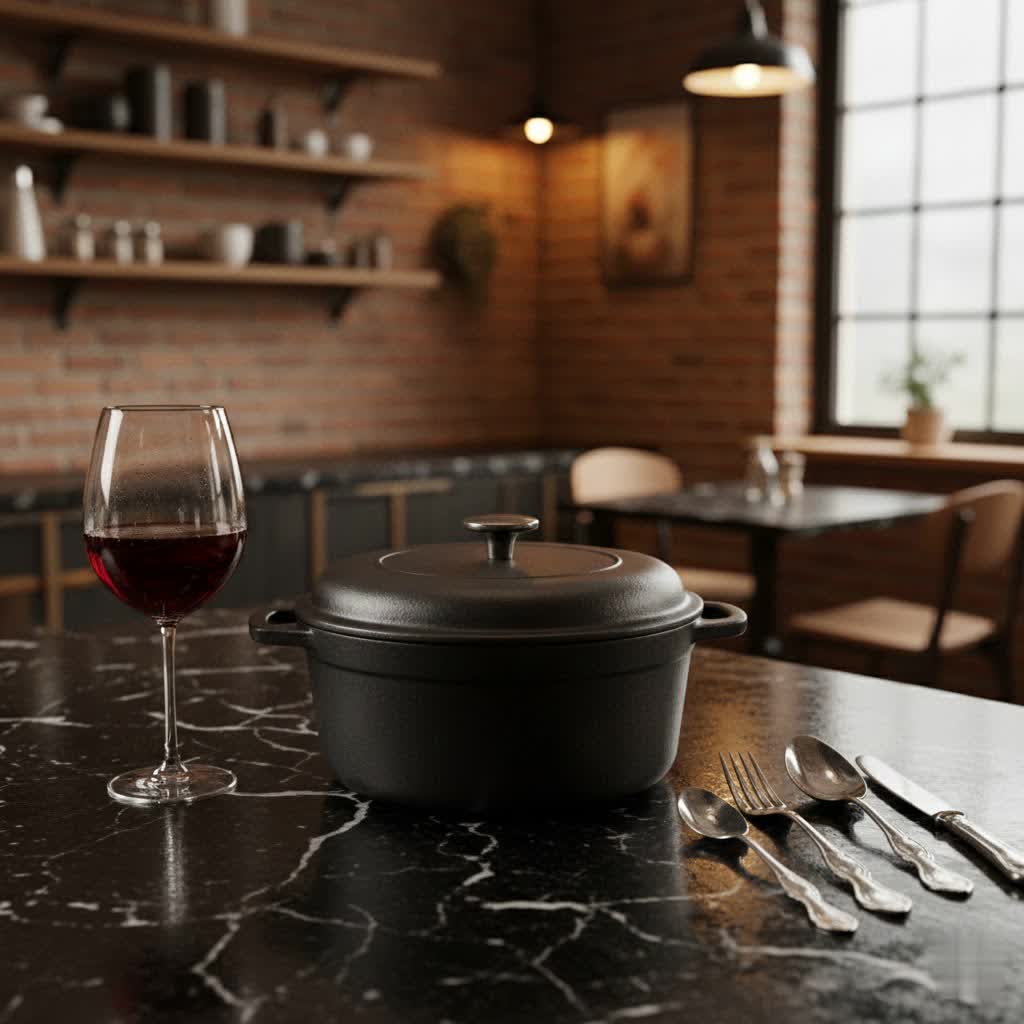
What is an Oblong Dutch Oven? Why You Need One for Modern Cooking
An oblong Dutch oven, often referred to as an oval Dutch oven, is a heavy-duty pot with a tight-fitting lid, distinguished by its elongated, oval shape rather than the traditional round form. Like its circular counterparts, it’s typically made from cast iron, either bare or enameled, and excels at retaining and distributing heat evenly. The history of Dutch ovens dates back centuries, with the fundamental design for slow, consistent cooking remaining largely unchanged due to its effectiveness.
The unique oval shape of these Dutch ovens offers distinct advantages that set them apart. Their extended footprint is perfectly suited for larger, irregularly shaped ingredients that might not fit comfortably in a round pot. Think of a whole chicken, a leg of lamb, a hefty pork loin, or even an oval-shaped loaf of no-knead bread – the oblong design accommodates these with ease, allowing for better contact with the heat source and more uniform cooking. This enhanced surface area also makes it ideal for browning and searing larger cuts of meat before braising, building deeper flavors right from the start. Ultimately, an oblong Dutch oven becomes an indispensable tool for anyone who loves cooking for a crowd or preparing impressive, family-sized meals.
Types of Oblong Dutch Ovens: Finding Your Perfect Match
While Dutch ovens come in various materials, the oblong shape is almost exclusively found in cast iron, primarily enameled cast iron, due to its superior heat performance and durability. Understanding the nuances between these materials is crucial for making an informed choice.
Enameled Cast Iron Oblong Dutch Oven
Enameled cast iron is the most popular and widely recommended material for oblong Dutch ovens. It combines the exceptional heat retention and even heat distribution of traditional cast iron with a protective, non-reactive porcelain enamel coating.
-
Advantages:
- Superior Heat Performance: Offers excellent heat retention and distributes heat uniformly, preventing hot spots and ensuring consistent cooking.
- Non-Reactive Surface: The enamel coating prevents acidic foods (like tomatoes or wine) from reacting with the cast iron, preserving the true flavor of your dishes.
- Easy to Clean: The smooth, glassy enamel surface is naturally resistant to sticking and incredibly easy to clean with warm soapy water. Many are even dishwasher-safe, though hand washing is often recommended for longevity.
- No Seasoning Required: Unlike bare cast iron, enameled versions do not need to be seasoned, making them ready to use right out of the box.
- Aesthetic Appeal: Available in a vast array of vibrant colors, these pots can go straight from the stove to the table, serving as beautiful centerpieces.
- Versatile: Safe for use on all stovetops, including induction, and typically oven-safe up to 500°F (260°C).
-
Disadvantages:
- Heavy: While some brands strive for lighter designs, cast iron remains inherently heavy, which can be challenging for some users.
- Can Chip: The enamel coating, though durable, can chip if dropped or struck with hard utensils, especially metal ones.
- Higher Cost: Generally more expensive than bare cast iron or other cookware materials.
|
Our Picks for the Best Dutch Oven in 2026
As an Amazon Associate I earn from qualifying purchases.
|
||
| Num | Product | Action |
|---|---|---|
| 1 | HomeVSS 5.5-Quart Enameled Cast Iron Dutch Oven with Lid & Dual Handles – Heavy-Duty for Bread Baking, Braising, Stews, Roasting, Oven & Induction Compatible, Red |

|
| 2 | Lodge 6 Quart Enameled Cast Iron Dutch Oven with Lid – Dual Handles – Oven Safe up to 500° F or on Stovetop - Use to Marinate, Cook, Bake, Refrigerate and Serve – Avocado |
|
| 3 | Lodge 6 Quart Enameled Cast Iron Dutch Oven with Lid – Dual Handles – Oven Safe up to 500° F or on Stovetop - Use to Marinate, Cook, Bake, Refrigerate and Serve – Cranberry |
|
| 4 | Lodge 6 Quart Enameled Cast Iron Dutch Oven with Lid – Dual Handles – Oven Safe up to 500° F or on Stovetop - Use to Marinate, Cook, Bake, Refrigerate and Serve – Apricot |
|
| 5 | Lodge 6 Quart Enameled Cast Iron Dutch Oven with Lid – Dual Handles – Oven Safe up to 500° F or on Stovetop - Use to Marinate, Cook, Bake, Refrigerate and Serve – Blue |
|
| 6 | HomeVSS 5.5-Quart Enameled Cast Iron Dutch Oven with Lid & Dual Handles – Heavy-Duty for Bread Baking, Braising, Stews, Roasting, Oven & Induction Compatible, Blue |
|
| 7 | Lodge 6 Quart Enameled Cast Iron Dutch Oven with Lid – Dual Handles – Oven Safe up to 500° F or on Stovetop - Use to Marinate, Cook, Bake, Refrigerate and Serve – Cornflower Blue |
|
| 8 | Lodge 6 Quart Enameled Cast Iron Dutch Oven with Lid – Dual Handles – Oven Safe up to 500° F or on Stovetop - Use to Marinate, Cook, Bake, Refrigerate and Serve – Burnt Sienna |
|
| 9 | Lodge 6 Quart Enameled Cast Iron Dutch Oven with Lid – Dual Handles, Oven Safe up to 500°F, Stovetop Compatible – Marinate, Cook, Bake, Refrigerate & Serve – Oyster White |
|
| 10 | HomeVSS 5.5-Quart Enameled Cast Iron Dutch Oven with Lid & Dual Handles – Heavy-Duty for Bread Baking, Braising, Stews, Roasting, Oven & Induction Compatible, Orange |
|
Bare Cast Iron Oblong Dutch Oven
While less common in the oblong shape, traditional bare cast iron Dutch ovens offer a rugged, enduring option, though they come with different care requirements.
-
Advantages:
- Exceptional Durability: Virtually indestructible, designed to last for generations.
- Superior Heat Retention: Retains heat exceptionally well, perfect for long, slow cooking methods.
- Natural Non-Stick (with seasoning): A well-seasoned bare cast iron surface develops a natural non-stick patina over time.
- Affordable: Generally more budget-friendly than enameled versions.
-
Disadvantages:
- Requires Seasoning: Needs to be regularly seasoned to maintain its non-stick properties and prevent rust.
- Reactive: Can react with acidic foods, potentially leaching iron into the food and altering its flavor or color.
- Not Dishwasher Safe: Must be hand-washed and thoroughly dried immediately to prevent rust.
- Heavy: Similar to enameled cast iron, it is quite heavy.
Detailed Comparison Table for Dutch Oven Materials
| Feature | Enameled Cast Iron | Bare Cast Iron | Aluminum / Stainless Steel (General) |
|---|---|---|---|
| Heat Retention | Excellent | Excellent | Good |
| Heat Distribution | Very Good | Very Good | Good |
| Durability | High (can chip) | Very High (virtually indestructible) | Moderate to High |
| Ease of Cleaning | Very Easy | Requires more effort (seasoning) | Easy |
| Seasoning Req. | No | Yes | No |
| Reactivity | Non-reactive | Reactive with acidic foods | Non-reactive |
| Weight | Heavy | Heavy | Light to Moderate |
| Price | High | Moderate | Moderate |
| Appearance | Wide range of colors | Classic black/dark grey | Metallic, often polished |
How to Choose Your Oblong Dutch Oven: Essential Factors
Selecting the right oblong Dutch oven involves considering several practical factors to ensure it perfectly meets your culinary needs and fits seamlessly into your kitchen.
Size and Capacity
The capacity of an oblong Dutch oven is crucial, directly impacting the quantity of food you can prepare. Typically measured in quarts, a good rule of thumb is one quart per serving. For instance, a 7-quart oval Dutch oven is often suitable for 6-8 servings, making it ideal for large family meals or entertaining. When looking at oblong models, also consider the overall dimensions (length, width, height) to ensure it fits comfortably in your oven and on your largest stovetop burner. For roasting a whole chicken or a substantial roast, an oval shape often provides the necessary length.
Material
As discussed, enameled cast iron is the dominant choice for oblong Dutch ovens due to its versatility and ease of care. Prioritize this material if you value non-reactivity, simple cleaning, and aesthetic appeal. If you’re accustomed to the traditional care of bare cast iron and prefer its rugged durability, that could also be an option, though oblong bare cast iron is less common.
Brand Reputation
Investing in a Dutch oven from a reputable brand often translates to superior quality, durability, and better performance. Brands like Le Creuset and Lodge are leaders in the cast iron cookware market, known for their craftsmanship. Le Creuset, for example, is celebrated for pioneering colorful enameled cast iron and often boasts some of the lightest cast iron per quart in the industry, making their large pots slightly easier to handle. Lodge is renowned for its robust, dependable cast iron, offering excellent value. Checking customer reviews and warranty information can also provide valuable insights into a brand’s reliability.
Lid Design
A well-designed lid is vital for a Dutch oven’s performance. Look for a tight-fitting lid that traps steam and moisture effectively, essential for tender braises and moist roasts. Some lids feature a self-basting design with small dimples or rings on the underside that collect condensation and drip it back onto the food, ensuring even moisture distribution throughout the cooking process.
Handles and Knob
Ergonomic and sturdy handles are paramount, especially given the weight of a filled cast iron pot. Wide loop handles provide a secure, comfortable grip, even when wearing oven mitts. The lid knob should also be heat-resistant and oven-safe to high temperatures (at least 500°F/260°C) if you plan to use it for baking or roasting in the oven. Stainless steel knobs are typically a good indicator of high oven-safe temperatures.
Oven and Stovetop Compatibility
Ensure your chosen Dutch oven is compatible with all your intended heat sources. Most quality enameled cast iron Dutch ovens are suitable for gas, electric, ceramic, and induction stovetops, as well as being oven-safe. Always verify the maximum oven-safe temperature, as this can vary between brands and even knob materials.
Ease of Cleaning
An enameled interior significantly simplifies cleanup. A light-colored enamel interior also helps you monitor the cooking process more easily, allowing you to see fond developing and prevent scorching. Prioritize hand washing with warm, soapy water and a soft sponge to preserve the enamel’s finish, even if a pot is labeled dishwasher-safe.
Using and Caring for Your Oblong Dutch Oven
Proper use and maintenance are key to ensuring your oblong Dutch oven remains a cherished kitchen companion for years, even generations.
Before First Use
Always wash your new Dutch oven with warm soapy water and dry it thoroughly before its initial use. This removes any manufacturing residues. For bare cast iron (if you happen to acquire one), a quick initial seasoning might be recommended by the manufacturer.
Cooking with Your Oblong Dutch Oven
- Preheating is Key: Always preheat your Dutch oven gradually over medium-low heat before adding food. This allows the cast iron to heat evenly and thoroughly, leading to better cooking results and preventing thermal shock that could damage enamel.
- Use Appropriate Utensils: For enameled surfaces, use silicone, wooden, or nylon utensils to avoid scratching or chipping the enamel. Metal utensils are generally not recommended.
- Heat Settings: Cast iron retains heat exceptionally well, so you often don’t need high heat. Medium to medium-low heat is usually sufficient for most stovetop cooking, with higher heats reserved for searing.
- Oven Versatility: The oblong Dutch oven excels in the oven for long, slow cooking. Ensure your oven-safe temperature limits are respected.
Cleaning Your Oblong Dutch Oven
- Cool Down First: Allow the Dutch oven to cool completely before washing. Submerging a hot pot in cold water can cause thermal shock, potentially cracking or warping the enamel.
- Hand Wash Recommended: Even if dishwasher-safe, hand washing with warm, soapy water and a non-abrasive sponge or cloth is the best way to preserve the enamel finish and prolong the life of your pot.
- For Stuck-On Food: If food is stuck, fill the pot with warm water and a little dish soap, let it soak for 15-20 minutes, then gently scrub. For stubborn bits, you can bring the water to a simmer for a few minutes to loosen them.
- Avoid Abrasives: Do not use steel wool, abrasive scouring pads, or harsh chemical cleaners, as these can damage the enamel.
- Dry Thoroughly: Always dry your Dutch oven completely immediately after washing to prevent water spots and, for bare cast iron, rust.
Storage
Store your oblong Dutch oven in a dry place. If stacking other cookware on top, consider using pot protectors or a towel between pieces to prevent scratches or chips to the enamel.
Mastering Your Oblong Dutch Oven: Recipes and Techniques
The oblong Dutch oven shines brightest when put to work on recipes that leverage its unique shape and exceptional heat properties. Here are some culinary highlights:
- Spectacular Roasting: The elongated shape is a dream for roasting. It provides ample space for larger items like a whole chicken, a duck, a leg of lamb, or a substantial pork loin. The high sides contain splatters, and the even heat circulation ensures a beautifully browned exterior and a tender, juicy interior. As one enthusiastic home cook noted, “The oval shape allows more content in one layer, which is perfect for roasting larger meats evenly.”
- Hearty Braises and Stews: This pot is synonymous with slow-cooked perfection. From classic beef bourguignon and short ribs to comforting pot roasts, the Dutch oven’s ability to maintain consistent, low heat and seal in moisture creates incredibly tender meat and deeply flavorful sauces. The self-basting lids further enhance this process, ensuring every component of your braise is infused with rich flavor.
- Artisan Bread Baking: Many bread bakers swear by Dutch ovens for achieving that coveted crackling crust and airy interior. The oblong shape is particularly excellent for baking oval-shaped loaves, mimicking professional bread ovens by creating a steamy environment that promotes a perfect rise and crust development.
- Large-Batch Soups and Chili: If you’re feeding a crowd or simply enjoy meal prepping, an oblong Dutch oven’s ample capacity is invaluable for simmering large batches of soups, chilis, or pasta sauces. The even heat ensures everything cooks uniformly without scorching.
“I made the best beef pot roast ever thanks to this! There’s lots of space. Nothing stuck to the bottom. It cleaned up nice… It takes the flavor up a notch as it locks in the greatness as it does its thing.” – Shizzy83, Home Cook and Oval Dutch Oven Enthusiast
Where to Buy Your Oblong Dutch Oven
Finding the perfect oblong Dutch oven can be an exciting part of the culinary journey. Several reputable avenues exist for purchasing this versatile cookware.
- Brand Websites: Many premium brands like Le Creuset and Lodge sell directly from their official websites. This ensures you’re getting an authentic product and often provides access to exclusive colors, sizes, and bundles.
- Specialty Kitchen Stores: High-end kitchenware retailers often carry a selection of quality Dutch ovens. Shopping in person allows you to feel the weight, inspect the finish, and get expert advice from staff.
- Large Retailers and Department Stores: Major department stores with a home goods section, as well as large online retailers, stock a variety of brands at different price points. These platforms offer convenience and competitive pricing, though it’s essential to verify seller authenticity if purchasing from third-party vendors.
- Online Marketplaces: Websites specializing in home goods or even broader e-commerce platforms can offer a wide range of options, sometimes including unique finds or discounted items. When buying online, always check product reviews, seller ratings, and the return policy. Ensure the warranty information is clear and applicable.
When making your purchase, always confirm the specific dimensions, capacity, and material details. Look for clear indications of oven and stovetop compatibility, and review the care instructions provided by the manufacturer.
Conclusion
The oblong Dutch oven stands out as an exceptionally versatile and powerful piece of cookware, especially for those who frequently cook for groups or enjoy preparing larger cuts of meat and specialty baked goods. Its unique oval shape, combined with the superior heat properties of cast iron, makes it an indispensable tool for everything from slow braises and robust stews to perfectly roasted poultry and artisan bread. By understanding the different materials, considering key features like size and brand reputation, and committing to proper care, you can choose an oblong Dutch oven that will enrich your cooking for decades.
Are you ready to elevate your culinary creations and discover the convenience and quality an oblong Dutch oven can bring to your kitchen?
Frequently Asked Questions
What is the main advantage of an oblong Dutch oven over a round one?
The primary advantage of an oblong or oval Dutch oven is its shape, which better accommodates longer cuts of meat, whole chickens, larger roasts, or even oval loaves of bread that wouldn’t fit as efficiently in a round pot. This allows for more even cooking and browning of irregularly shaped foods.
Are oblong Dutch ovens suitable for induction cooktops?
Yes, most high-quality enameled cast iron oblong Dutch ovens are fully compatible with induction cooktops, as well as gas, electric, and ceramic stoves. Always check the manufacturer’s specifications to confirm compatibility for your specific model.
How do I prevent my enameled oblong Dutch oven from chipping?
To prevent chipping, avoid using metal utensils, refrain from dropping the pot or banging it against hard surfaces, and always allow it to cool before washing. Use gentle sponges and non-abrasive cleaners, and store it carefully, perhaps with pot protectors between stacked items.
Can I bake bread in an oblong Dutch oven?
Absolutely! Oblong Dutch ovens are highly favored by bakers for making bread, especially for creating beautifully crusted oval loaves. The heavy pot and tight-fitting lid create a steamy environment that mimics a professional bread oven, leading to an excellent rise and a perfectly crisp crust.
What size oblong Dutch oven is best for a family of four?
For a family of four, an oblong Dutch oven with a capacity of 4 to 6 quarts is generally a good starting point. This size can accommodate most roasts, stews, and soups for a family, while still allowing for some leftovers. For larger roasts or entertaining, you might consider a 7-quart or larger model.
