For many, a Dutch oven isn’t just a piece of cookware; it’s a heirloom, a source of comfort, and a tool for creating cherished family meals. Among the pantheon of beloved kitchen essentials, the Magnalite Dutch oven holds a special, almost legendary, status. Often passed down through generations, these “magic pans” are revered for their exceptional performance and durability, embodying a true “buy it for life” philosophy. If you’ve ever wondered what makes Magnalite so special, or are looking to add one of these culinary treasures to your own kitchen, you’ve come to the right place.
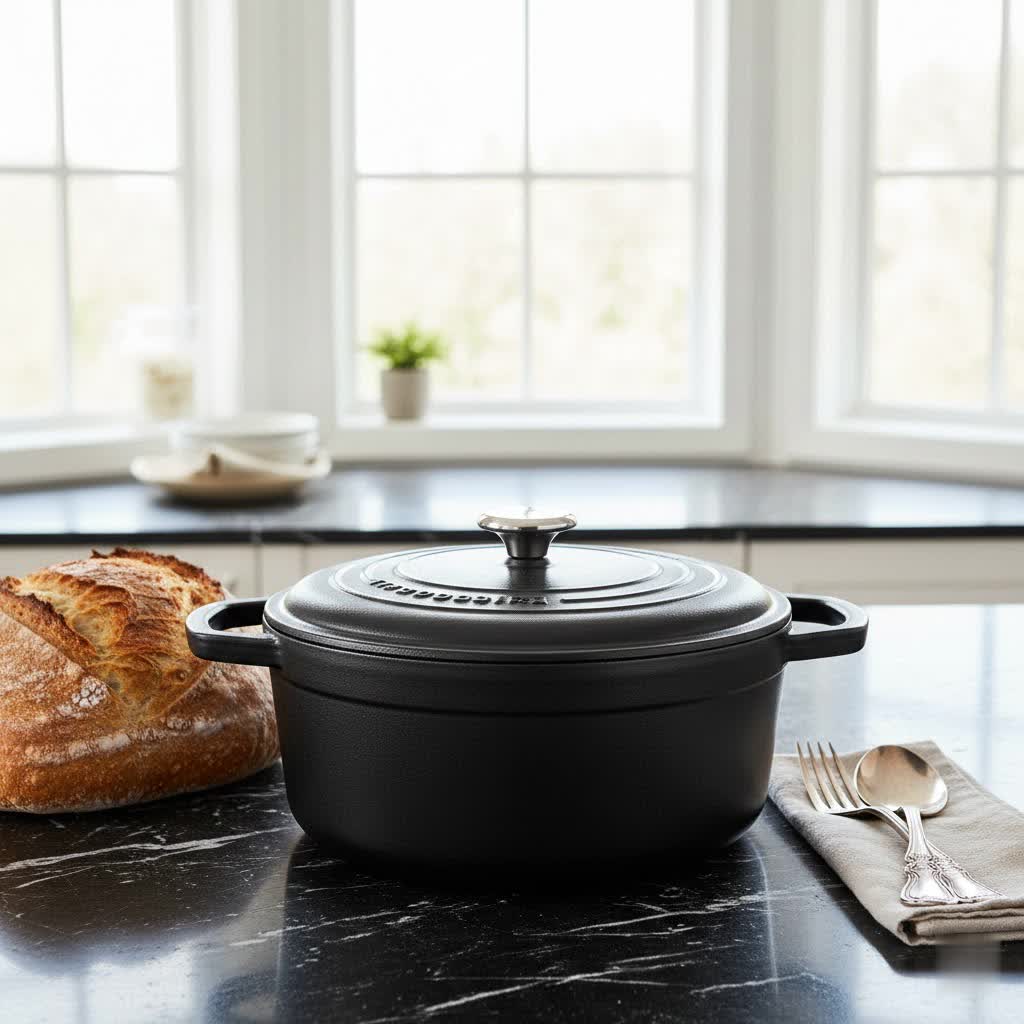
What is a Magnalite Dutch Oven?
A Magnalite Dutch oven is a distinctive piece of cookware, primarily recognized for its unique cast aluminum construction. Unlike traditional cast iron, Magnalite utilizes a specialized aluminum alloy, making it significantly lighter while still delivering outstanding heat distribution and retention. This innovative design was pioneered by the Wagner Manufacturing Company, which first poured Wagner Magnalite in 1934. Over the decades, its reputation grew, with some even crediting architect Frank Lloyd Wright with having a say in the final design of these iconic roasters.
Magnalite cookware is crafted from an aluminum alloy typically composed of about 94.2% aluminum, with small additions of copper, zinc, manganese, and nickel. This precise blend contributes to its excellent thermal properties. The walls of these pots are remarkably thick, often around 3/16 inches, distinguishing them from many thinner modern aluminum pans. This robust construction ensures that Magnalite distributes heat evenly across the entire cooking surface, eliminating hot spots and providing a consistent cooking experience.
Magnalite vs. Other Dutch Ovens: Finding Your Perfect Pot
When choosing a Dutch oven, the market offers a variety of materials, each with its own set of advantages and considerations. Magnalite occupies a unique niche, bridging the gap between heavy cast iron and lighter, less robust aluminum options. Understanding these differences is key to selecting the right Dutch oven for your culinary needs.
Cast Iron Dutch Ovens
- Pros: Exceptional heat retention, creates a beautiful crust on bread and roasts, incredibly durable.
- Cons: Very heavy, requires diligent seasoning to prevent rust, can react with acidic foods if not properly seasoned.
|
Our Picks for the Best Dutch Oven in 2026
As an Amazon Associate I earn from qualifying purchases.
|
||
| Num | Product | Action |
|---|---|---|
| 1 | Lodge 6 Quart Enameled Cast Iron Dutch Oven with Lid – Dual Handles – Oven Safe up to 500° F or on Stovetop - Use to Marinate, Cook, Bake, Refrigerate and Serve – Cranberry |

|
| 2 | Lodge 6 Quart Enameled Cast Iron Dutch Oven with Lid – Dual Handles – Oven Safe up to 500° F or on Stovetop - Use to Marinate, Cook, Bake, Refrigerate and Serve – Burnt Sienna |
|
| 3 | Lodge 6 Quart Enameled Cast Iron Dutch Oven with Lid – Dual Handles, Oven Safe up to 500°F, Stovetop Compatible – Marinate, Cook, Bake, Refrigerate & Serve – Oyster White |
|
| 4 | Lodge 6 Quart Enameled Cast Iron Dutch Oven with Lid – Dual Handles – Oven Safe up to 500° F or on Stovetop - Use to Marinate, Cook, Bake, Refrigerate and Serve – Apricot |
|
| 5 | HomeVSS 5.5-Quart Enameled Cast Iron Dutch Oven with Lid & Dual Handles – Heavy-Duty for Bread Baking, Braising, Stews, Roasting, Oven & Induction Compatible, Red |
|
| 6 | HomeVSS 5.5-Quart Enameled Cast Iron Dutch Oven with Lid & Dual Handles – Heavy-Duty for Bread Baking, Braising, Stews, Roasting, Oven & Induction Compatible, Orange |
|
| 7 | HomeVSS 5.5-Quart Enameled Cast Iron Dutch Oven with Lid & Dual Handles – Heavy-Duty for Bread Baking, Braising, Stews, Roasting, Oven & Induction Compatible, Blue |
|
| 8 | Lodge 6 Quart Enameled Cast Iron Dutch Oven with Lid – Dual Handles – Oven Safe up to 500° F or on Stovetop - Use to Marinate, Cook, Bake, Refrigerate and Serve – Cornflower Blue |
|
| 9 | Lodge 6 Quart Enameled Cast Iron Dutch Oven with Lid – Dual Handles – Oven Safe up to 500° F or on Stovetop - Use to Marinate, Cook, Bake, Refrigerate and Serve – Blue |
|
| 10 | Lodge 6 Quart Enameled Cast Iron Dutch Oven with Lid – Dual Handles – Oven Safe up to 500° F or on Stovetop - Use to Marinate, Cook, Bake, Refrigerate and Serve – Avocado |
|
Enameled Cast Iron Dutch Ovens
- Pros: Excellent heat retention, no seasoning required, easy to clean, comes in various colors, non-reactive surface.
- Cons: Very heavy, susceptible to chipping if dropped or mishandled, generally more expensive.
Aluminum Dutch Ovens (Modern, Thinner)
- Pros: Lightweight, good heat conductivity, affordable.
- Cons: Poor heat retention, prone to hot spots, less durable, can warp easily.
Magnalite Dutch Ovens
- Pros: Superior heat distribution due to thick cast aluminum alloy, significantly lighter than cast iron (a large Magnalite roaster can weigh 5 lbs compared to 20 lbs for cast iron), highly durable (“built like tanks”), often offers a cooking experience akin to having an oven on your stovetop.
- Cons: Not inherently non-stick, requires seasoning for optimal performance, vintage pieces may show cosmetic wear, some users prefer strictly oven use for larger roasters to avoid warping over small burners.
Detailed Comparison Table of Dutch Oven Types
| Feature | Cast Iron | Enameled Cast Iron | Aluminum (Modern) | Magnalite (Cast Aluminum Alloy) |
|---|---|---|---|---|
| Heat Retention | Excellent | Excellent | Fair | Good (due to thick walls) |
| Heat Distribution | Good | Excellent | Fair | Excellent |
| Weight | Very Heavy | Very Heavy | Light | Medium-Light |
| Durability | Very High | High (can chip) | Medium | Very High |
| Maintenance | Requires seasoning | Easy cleaning | Easy cleaning | Hand wash, benefits from seasoning |
| Non-Stick | With seasoning | No | No | No (benefits from seasoning) |
| Price | Moderate | High | Low | Moderate (vintage), High (new) |
Magnalite stands out for its unique blend of attributes, offering much of the even heating and durability of cast iron without the substantial weight. This makes it an ideal choice for those who want robust performance without the physical burden of lifting heavy pots.
Choosing Your Magnalite Dutch Oven: What to Look For
Whether you’re hunting for a vintage gem or considering a newer model, there are key factors to guide your purchase. Magnalite pieces, particularly the older Wagnerware originals, are renowned for their longevity, often lasting 60 years or more and still performing beautifully.
- Size and Capacity: Magnalite Dutch ovens and roasters come in various sizes. Consider your typical cooking needs:
- Smaller sizes (2-4 quart): Ideal for side dishes, smaller roasts, or cooking for 1-2 people.
- Medium sizes (5-8 quart): Versatile for family meals, stews, pot roasts, and baking bread.
- Large roasters (10+ quart): Perfect for holiday turkeys, hams, or cooking for a crowd. These larger roasters are often affectionately called “gumbo pots” in regions like Cajun Country, where they are central to large gatherings.
- Material and Brand: Always look for original Wagnerware Magnalite for guaranteed quality. Newer pieces might be produced under different companies (e.g., GHC) and may not match the historical construction and performance of the originals. The bottom logo is a key indicator of authenticity.
- Condition (for Vintage): When buying vintage, inspect for deep pitting, excessive scratches, or warping. Minor cosmetic marks are common and usually don’t affect performance. Ensure the lid fits snugly.
- Lid Design: Magnalite lids often have a tight fit, which helps create a self-basting environment by trapping moisture. Some might have a slightly domed or flat design.
- Handles: Magnalite cookware is known for its sturdy, often “mission style” handles. Ensure they are secure and comfortable to grip, especially when the pot is full.
Using and Caring for Your Magnalite Dutch Oven
To ensure your Magnalite Dutch oven continues to perform for generations, proper use and care are essential. While known for their robustness, a little attention goes a long way.
Seasoning Your Magnalite
Unlike cast iron, Magnalite doesn’t require seasoning to prevent rust, as aluminum does not rust. However, seasoning is highly beneficial for creating a smoother, more “non-stick” cooking surface and enhancing its longevity.
- Clean Thoroughly: Before seasoning, wash your Magnalite pot with mild dish soap and warm water. Dry it completely.
- Apply Oil: Apply a thin, even layer of a high smoke point cooking oil (like grapeseed, flaxseed, or vegetable oil) to the interior surfaces of the pot. Wipe off any excess; you want a very thin layer.
- Heat in Oven: Place the oiled pot (and lid) upside down in a cold oven. Heat the oven to a moderate temperature (around 300-350°F or 150-175°C).
- Bake: Let it bake for about an hour. Turn off the oven and allow the pot to cool completely inside the oven.
- Repeat: For best results, repeat this process periodically. This builds up a polymerized layer that improves cooking performance.
Cleaning Your Magnalite
Magnalite cookware is not dishwasher safe and should always be hand washed.
- Gentle Cleaning: After each use, wash with mild dish soap and warm water. Use a soft sponge or cloth.
- Avoid Abrasives: Do not use abrasive cleaners, steel wool, or harsh scrubbing pads, as these can scratch and damage the smooth surface of the aluminum alloy.
- Thorough Drying: Always dry your Magnalite completely after washing to prevent water spots and maintain its appearance. While aluminum doesn’t rust, proper drying is still good practice.
- Stubborn Food: For stuck-on food, let the pot soak in warm, soapy water for a while before gently scrubbing. You can also boil water in the pot to loosen food residue.
Oven Safety and Usage Tips
Magnalite Dutch ovens are generally oven safe. Many users comfortably use them for roasting and baking.
- Temperature Limits: While oven safe, some sources recommend not exceeding 450°F (232°C) to prevent potential warping over time, especially with older pieces. Avoid using Magnalite under a broiler or on a grill, as direct, intense heat can be too extreme.
- Utensils: To preserve the interior surface, use wooden, silicone, or bamboo utensils rather than metal ones, which can cause scratches.
- Even Heat: Magnalite’s thick cast aluminum ensures exceptionally even heat. This makes it perfect for dishes that benefit from consistent, gentle cooking.
The Safety of Vintage Magnalite Cookware
A common concern among owners of vintage aluminum cookware, including Magnalite, is the safety of cooking with aluminum, particularly regarding links to Alzheimer’s disease.
“The theoretical link between aluminum cookware and Alzheimer’s disease has largely been debunked by extensive scientific research. While aluminum is present in trace amounts in many foods and everyday items, there’s no conclusive evidence that cooking with aluminum pots significantly increases health risks or contributes to neurological disorders.” – Dr. Eleanor Vance, Food Science Historian
Numerous studies have re-evaluated initial concerns, concluding that the amount of aluminum absorbed from cookware into food is minimal and not considered harmful. Modern research indicates that cooking with vintage Magnalite, provided it’s in good condition without severe pitting or corrosion, is generally safe. The benefits of its superior cooking performance often outweigh any residual, unsubstantiated concerns for long-time users.
Mastering Culinary Delights with Magnalite
The excellent heat distribution and retention of Magnalite Dutch ovens make them incredibly versatile for a wide array of cooking techniques.
- Hearty Roasts and Braises: Magnalite roasters are legendary for their ability to produce tender, succulent roasts. Whether it’s a Thanksgiving turkey, a Sunday pot roast, or a festive ham, the enclosed environment and even heat ensure thorough and flavorful cooking.
- Soups and Stews: From rich beef stews to slow-cooked chili, Magnalite excels at simmering. In Cajun and Creole cuisine, it’s the undisputed champion for making gumbo, allowing flavors to meld beautifully without scorching.
- Baking Bread: For home bakers, a Magnalite Dutch oven can replicate the conditions of a professional bread oven, producing loaves with a perfectly crisp crust and soft interior.
- Rice Dishes: Achieve perfectly cooked, fluffy rice every time, thanks to the uniform heat that prevents sticking and uneven cooking.
Where to Find Your Own Magnalite Dutch Oven
Given their heritage, original Wagnerware Magnalite Dutch ovens are primarily found in the secondary market.
- Vintage Markets and Thrift Stores: These are treasure troves for finding well-preserved Magnalite pieces at often affordable prices. Keep an eye out for the distinct Wagnerware logo.
- Online Marketplaces: Websites like eBay, Etsy, and specialty vintage cookware sites frequently list Magnalite pieces. You’ll likely find a wider selection here, but prices can vary based on rarity and condition.
- Estate Sales: Attending estate sales can sometimes uncover entire collections of vintage cookware, including Magnalite, often at reasonable rates.
- Newer Lines: While the original Wagnerware is no longer produced, some companies have acquired the Magnalite brand. “Magnalite Professional” lines might be available, offering modern interpretations, though their exact materials and performance may differ from the classic cast aluminum alloy. Always research current product specifications carefully.
Conclusion
The Magnalite Dutch oven stands as a testament to enduring quality and thoughtful design in the world of cookware. Its unique cast aluminum alloy offers the coveted even heating of cast iron without the formidable weight, making it a beloved tool for generations of home cooks. From holiday roasts to everyday stews, Magnalite proves itself as a versatile and reliable companion in the kitchen. Caring for your Magnalite Dutch oven is simple, ensuring it continues to bring culinary joy for many years to come. Isn’t it time you discovered the enduring charm and exceptional performance of a Magnalite for yourself?
Frequently Asked Questions
Is Magnalite cookware truly non-stick?
Magnalite cookware does not typically come with a factory non-stick coating. However, with proper and regular seasoning, its smooth cast aluminum surface can develop excellent non-stick properties over time, making cooking and cleaning easier.
Can Magnalite Dutch ovens be used on induction stovetops?
No, traditional Magnalite Dutch ovens are made of cast aluminum alloy, which is not magnetic. Therefore, they are not compatible with induction stovetops. You would need cookware with a ferrous (iron) base for induction cooking.
How can I tell if my Magnalite is an original Wagnerware?
Original Wagnerware Magnalite pieces typically have a distinct logo cast into the bottom, often including “WagnerWare” and “Sidney O.” (for Sidney, Ohio, where they were made). Newer versions may have different markings or branding.
What are common signs of wear to look for when buying vintage Magnalite?
When purchasing vintage Magnalite, look for a tight-fitting lid, intact handles, and a relatively smooth interior surface. Minor scratches are common, but avoid pieces with deep pitting, cracks, or significant warping, as these can affect cooking performance and safety.
Can Magnalite be used for searing at high temperatures?
While Magnalite offers excellent heat distribution, some users suggest caution when searing at very high temperatures on a stovetop, especially with larger roasters over small burners. This is because concentrated heat on a small area could potentially lead to warping over time. For best results, consider its primary strength for even, moderate-to-high heat cooking, particularly in the oven.
