Stepping into the world of Dutch ovens can feel like unlocking a secret level of culinary potential. These versatile kitchen workhorses, cherished for generations, promise to elevate your cooking from everyday meals to gourmet masterpieces. Whether you dream of perfectly braised meats, hearty stews, or artisan bread with a sublime crust, a Dutch oven can be your perfect companion. But with so many options on the market, how do you choose the one that’s right for you? This guide will cut through the clutter, helping you understand what makes a Dutch oven exceptional and highlighting the best-rated models that consistently impress home cooks and professional chefs alike.
What is a Dutch Oven? Why Do You Need One?
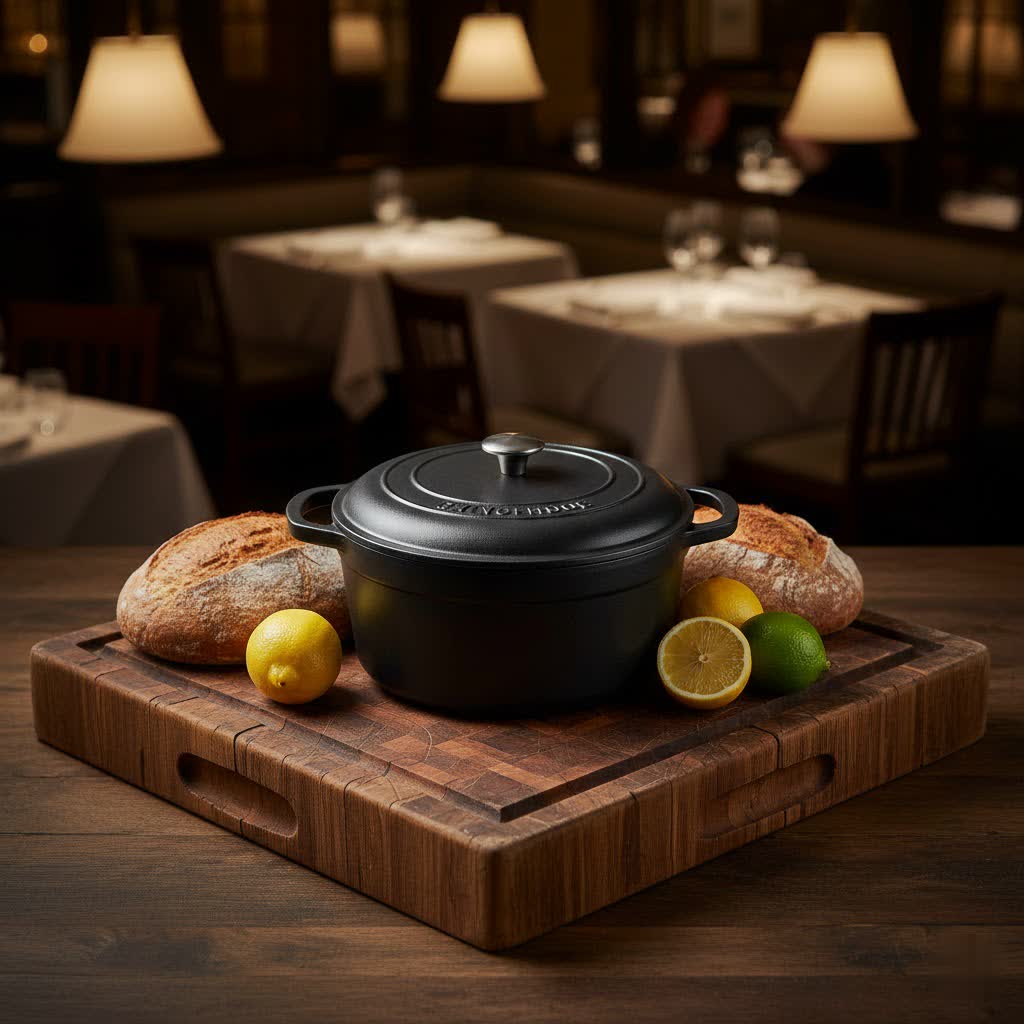
At its core, a Dutch oven is a thick-walled cooking pot, typically made from cast iron, with a tight-fitting lid. Its robust construction allows it to retain and distribute heat incredibly evenly, making it ideal for a wide range of cooking methods both on the stovetop and in the oven. The history of these pots dates back centuries, with origins in Dutch casting methods, which eventually led to their widespread adoption for their durability and efficiency.
The primary advantage of a Dutch oven lies in its exceptional heat retention and distribution. This quality is crucial for:
- Braising and Slow Cooking: It maintains a consistent, gentle heat, tenderizing tough cuts of meat and infusing flavors deeply into stews and chilis.
- Baking: Its ability to trap steam creates a perfect environment for baking crusty bread, mimicking a professional bread oven.
- Frying: It holds oil temperatures steady, ensuring perfectly crispy fried foods.
- Soups and Sauces: The heavy construction prevents scorching and allows for long, slow simmers that develop rich flavors.
With a Dutch oven, you’re not just buying a pot; you’re investing in a piece of cookware that can inspire countless delicious meals and last a lifetime.
Types of Dutch Ovens: Choosing the Right One for You
While the fundamental design remains consistent, Dutch ovens come in various materials, each offering distinct advantages and considerations. The most popular choices are bare cast iron and enameled cast iron, with ceramic options also available.
Bare Cast Iron (Seasoned)
This is the traditional form of a Dutch oven, often rugged and built for the most demanding cooking environments.
- Pros:
- Exceptional Durability: Built to last for generations and can withstand extremely high temperatures, even over open flames or campfires.
- Superior Heat Retention: Excellent for maintaining consistent temperatures for slow cooking or deep frying. [cite: 4 (buying guide)]
- Develops a Natural Non-Stick Surface: With proper seasoning and care, it becomes naturally non-stick.
- More Affordable: Generally less expensive than enameled versions.
- Cons:
- Requires Seasoning and Maintenance: Needs regular seasoning to maintain its non-stick properties and prevent rust.
- Reactive to Acidic Foods: Cooking highly acidic ingredients like tomatoes or wine can strip the seasoning and potentially impart a metallic taste to food.
- Heavy Weight: Can be very heavy, making it challenging to lift when full.
|
Our Picks for the Best Dutch Oven in 2026
As an Amazon Associate I earn from qualifying purchases.
|
||
| Num | Product | Action |
|---|---|---|
| 1 | Lodge 6 Quart Enameled Cast Iron Dutch Oven with Lid – Dual Handles – Oven Safe up to 500° F or on Stovetop - Use to Marinate, Cook, Bake, Refrigerate and Serve – Apricot |

|
| 2 | Lodge 6 Quart Enameled Cast Iron Dutch Oven with Lid – Dual Handles – Oven Safe up to 500° F or on Stovetop - Use to Marinate, Cook, Bake, Refrigerate and Serve – Burnt Sienna |
|
| 3 | HomeVSS 5.5-Quart Enameled Cast Iron Dutch Oven with Lid & Dual Handles – Heavy-Duty for Bread Baking, Braising, Stews, Roasting, Oven & Induction Compatible, Blue |
|
| 4 | HomeVSS 5.5-Quart Enameled Cast Iron Dutch Oven with Lid & Dual Handles – Heavy-Duty for Bread Baking, Braising, Stews, Roasting, Oven & Induction Compatible, Orange |
|
| 5 | Lodge 6 Quart Enameled Cast Iron Dutch Oven with Lid – Dual Handles – Oven Safe up to 500° F or on Stovetop - Use to Marinate, Cook, Bake, Refrigerate and Serve – Cornflower Blue |
|
| 6 | Lodge 6 Quart Enameled Cast Iron Dutch Oven with Lid – Dual Handles – Oven Safe up to 500° F or on Stovetop - Use to Marinate, Cook, Bake, Refrigerate and Serve – Blue |
|
| 7 | HomeVSS 5.5-Quart Enameled Cast Iron Dutch Oven with Lid & Dual Handles – Heavy-Duty for Bread Baking, Braising, Stews, Roasting, Oven & Induction Compatible, Red |
|
| 8 | Lodge 6 Quart Enameled Cast Iron Dutch Oven with Lid – Dual Handles – Oven Safe up to 500° F or on Stovetop - Use to Marinate, Cook, Bake, Refrigerate and Serve – Cranberry |
|
| 9 | Lodge 6 Quart Enameled Cast Iron Dutch Oven with Lid – Dual Handles – Oven Safe up to 500° F or on Stovetop - Use to Marinate, Cook, Bake, Refrigerate and Serve – Avocado |
|
| 10 | Lodge 6 Quart Enameled Cast Iron Dutch Oven with Lid – Dual Handles, Oven Safe up to 500°F, Stovetop Compatible – Marinate, Cook, Bake, Refrigerate & Serve – Oyster White |
|
Enameled Cast Iron
These Dutch ovens feature a vitreous enamel glaze applied to the cast iron, offering a beautiful finish and easier maintenance.
- Pros:
- Excellent Heat Retention: Shares the superb heat retention qualities of bare cast iron.
- Non-Reactive Surface: The enamel coating prevents reactivity with acidic foods, allowing you to cook a wide variety of dishes without affecting taste or appearance.
- Easy to Clean: The smooth, non-porous surface is much easier to clean and doesn’t require seasoning. Many are dishwasher-safe, though hand-washing is often recommended.
- Aesthetically Pleasing: Available in a vast array of colors and designs, often becoming a kitchen centerpiece.
- Cons:
- Can Chip or Crack: The enamel coating can chip if dropped or exposed to extreme, sudden temperature changes.
- Higher Price Point: Generally more expensive than bare cast iron.
- Still Heavy: While easier to maintain, it retains the significant weight of cast iron.
Ceramic / Stoneware
Less common for traditional Dutch ovens, but some brands offer ceramic versions.
- Pros:
- Lighter Weight: Considerably lighter than cast iron options, making them easier to handle.
- Non-Reactive: Similar to enameled cast iron, ceramic is non-reactive to acidic foods.
- Good for Oven Use: Excellent for baking bread and slow cooking in the oven.
- Cons:
- Poor Heat Retention on Stovetop: Does not retain heat as well as cast iron, especially on the stovetop.
- Fragile: Prone to cracking or shattering if dropped or subjected to thermal shock (sudden temperature changes). [cite: 4 (buying guide)]
Detailed Comparison Table: Dutch Oven Materials
| Feature | Bare Cast Iron | Enameled Cast Iron | Ceramic / Stoneware |
|---|---|---|---|
| Heat Retention | Excellent | Excellent | Moderate |
| Durability | Very High (if seasoned) | High (can chip) | Moderate (can shatter) |
| Maintenance | High (requires seasoning) | Low (easy to clean) | Low (easy to clean) |
| Acidic Foods | Reactive | Non-reactive | Non-reactive |
| Weight | Heavy | Heavy | Light |
| Price | Moderate | High | Low to Moderate |
| Aesthetics | Rustic | Diverse colors, sleek | Modern, often vibrant |
| Open Flame Use | Yes | No (can damage enamel) | No |
How to Choose the Best Dutch Oven: Key Factors
Selecting the perfect Dutch oven involves considering several key factors to match your cooking style and household needs.
-
Size and Capacity: The most common and versatile size for most home cooks is a 5- to 6-quart round Dutch oven. This capacity is sufficient for preparing family meals, large batches of soup, or a whole roast chicken. [cite: 4 (buying guide), 5 (buying guide)] If you frequently cook for one or two people, a 3- to 4-quart model might suffice, while larger families or those who entertain often might prefer a 7- to 8-quart pot. [cite: 5 (buying guide)]
-
Material: As discussed, enameled cast iron offers the best balance of heat performance and ease of maintenance for most home cooks. Bare cast iron is excellent for outdoor cooking or those who enjoy the ritual of seasoning.
-
Shape: Most Dutch ovens are round, fitting well on standard stovetop burners. Oval-shaped models are available and are particularly useful for roasting longer cuts of meat, such as a whole chicken or pork loin, especially when primarily used in the oven. [cite: 4 (buying guide), 5 (buying guide)]
-
Lid Design: A tight-fitting lid is essential to trap moisture and flavors, which is vital for slow cooking and braising. Some premium lids, like those from Staub, feature self-basting spikes on the underside to continually recirculate condensation, keeping food exceptionally tender.
-
Handles: Look for wide, sturdy handles that are easy to grip, even when wearing thick oven mitts. This is crucial given the weight of cast iron cookware. [cite: 4 (buying guide), 5 (buying guide)]
-
Interior Color: Some Dutch ovens have a light-colored enamel interior, which allows you to easily monitor browning and fond development, while others feature a dark interior that can hide stains more effectively over time.
-
Oven-Safe Temperature: Ensure the Dutch oven (and its knob) is oven-safe to temperatures required by your recipes, especially if you plan on baking bread at high heat.
Top Dutch Ovens Rated by Experts
Based on extensive testing and expert reviews, several brands consistently stand out for their quality, performance, and durability.
-
Staub Round Cocotte: Often hailed as the “best overall” Dutch oven, Staub is renowned for its superior craftsmanship, even cooking, and robust enamel finish. Jim Lahey, a James Beard-winning baker, praises Staub, stating, “I love Staub because of the manufacturing and quality. They’re built like a tank.” Its proprietary self-basting spikes on the lid are particularly effective for moist, tender results.
-
Le Creuset Signature Enameled Cast Iron Dutch Oven: Considered the “Rolls Royce of Dutch ovens,” Le Creuset is an aspirational brand known for its heirloom quality, exceptional performance, and a stunning array of colors. It excels in heat retention and even distribution, making it a favorite for braises and slow-cooked dishes. [cite: 3 (search results)] Although it comes with a higher price tag, its durability and versatility make it a worthwhile investment for many.
-
Lodge Enameled Cast Iron Dutch Oven: For those seeking excellent performance without the premium price, Lodge offers an outstanding “best value” option. It provides impressive heat distribution and retention and is incredibly versatile, suitable for various cooking methods. [cite: 2 (search results)] While more affordable, Lodge Dutch ovens are durable and can last for decades with proper care.
-
Cuisinart Chef’s Classic Enameled Cast Iron Covered Casserole: This model consistently performs well in tests and offers exceptional quality for its budget-friendly price point, often feeling more expensive than it is. It browns chicken evenly and proves durable for everyday cooking.
-
Smithey Dutch Oven: For a rustic yet highly functional option, Smithey’s seasoned Dutch oven, made in the U.S., features a smooth, polished interior that improves with time, offering excellent heat distribution and natural nonstick properties. It arrives pre-seasoned, ready for immediate use.
Using and Caring for Your Dutch Oven
Proper care is essential to ensure your Dutch oven lasts for generations.
Bare Cast Iron
- Seasoning: Before first use, and periodically thereafter, bare cast iron needs to be seasoned. This involves applying a thin layer of cooking oil and baking the pot at a high temperature to create a polymerized layer that is naturally non-stick and rust-resistant.
- Cleaning: Avoid using soap, which can strip the seasoning. Instead, scrub with hot water and a stiff brush or scraper, then dry thoroughly immediately after washing to prevent rust. Reapply a thin layer of oil before storing.
Enameled Cast Iron
- Cleaning: Enameled Dutch ovens are much easier to clean. Use warm, soapy water and a soft sponge or brush. For stubborn food residue, soak the pot in warm, soapy water for 15-20 minutes before gently scrubbing.
- Avoid Thermal Shock: Never plunge a hot Dutch oven into cold water, as this can cause the enamel to crack or chip. Let it cool gradually.
- Utensils: Stick to wooden, silicone, or plastic utensils to avoid scratching the enamel surface.
- Storage: Store with the lid slightly ajar or with a paper towel in between to allow air circulation and prevent moisture buildup.
General Tips
> “The secret to a long-lasting Dutch oven isn’t just in the initial investment, but in understanding its unique character and treating it with the care it deserves.” – Admin, ReviewRaudo.com
Tips for Delicious Cooking with a Dutch Oven
The Dutch oven is incredibly versatile. Here are a few ways to make the most of it:
- Hearty Stews and Braises: Start by searing your meat on the stovetop to develop a rich fond, then add vegetables, liquids, and herbs. Cover tightly and transfer to a low oven for several hours until the meat is fork-tender. The even heat ensures consistently delicious results.
- Perfect Roasts: Whether it’s a whole chicken, pork shoulder, or beef roast, a Dutch oven creates a succulent, flavorful roast with minimal effort. The tight lid keeps moisture in, resulting in tender meat.
- Artisan Bread: Preheat your empty Dutch oven in a very hot oven. Carefully transfer your dough into the hot pot, cover, and bake. The trapped steam creates an incredible crust, while the cast iron ensures a perfectly cooked interior. Remove the lid for the last part of baking to achieve a golden-brown, crispy crust.
- Deep Frying: Its heavy construction maintains stable oil temperatures, ideal for perfectly crispy fried chicken or tempura.
- Soups and Sauces: Simmering soups and sauces for extended periods develops depth of flavor that is hard to achieve in thinner pots.
Where to Buy Your Dutch Oven
You can find Dutch ovens at most major kitchenware stores, department stores, and online retailers.
- Specialty Kitchen Stores: Offer a curated selection and knowledgeable staff who can provide personalized recommendations.
- Department Stores (e.g., Williams Sonoma, Nordstrom): Carry popular high-end brands like Le Creuset and Staub, often with sales.
- Online Retailers (e.g., Amazon, Walmart): Provide a vast selection across all price points, including budget-friendly options like Lodge and Amazon Basics.
- Brand Websites: Purchasing directly from brands like Lodge, Le Creuset, or Staub can sometimes offer exclusive colors or deals.
When buying online, always check product reviews, warranty information, and return policies. Investing in a Dutch oven is a decision for a lifetime of cooking enjoyment.
Conclusion
The Dutch oven is an indispensable tool for any kitchen, offering unmatched versatility, heat retention, and durability. Whether you opt for the classic ruggedness of bare cast iron or the vibrant, easy-care convenience of enameled cast iron, choosing a high-quality model from a reputable brand like Staub, Le Creuset, or Lodge will unlock a world of culinary possibilities. By understanding the different types and considering key features like size and material, you can select the perfect Dutch oven to become your trusted cooking companion for years to come. What delicious dish will you create first in your new Dutch oven?
Frequently Asked Questions
Which Dutch oven size is best for a family of four?
A 5.5- to 6-quart Dutch oven is generally considered the most versatile size for a family of four, large enough for most recipes without being overly cumbersome.
Can I use a Dutch oven on an induction stovetop?
Yes, most cast iron and enameled cast iron Dutch ovens are compatible with induction cooktops due to their magnetic properties. Always check the manufacturer’s specifications.
How often should I season my bare cast iron Dutch oven?
The frequency of seasoning depends on usage, but typically, it should be re-seasoned a few times a year, or whenever you notice food sticking or the surface looking dull.
Is it worth splurging on a high-end Dutch oven like Le Creuset or Staub?
Many culinary enthusiasts and experts believe that the superior heat performance, durability, and aesthetic appeal of high-end brands justify the investment, as they can last for generations.
Can a Dutch oven be used for deep frying?
Absolutely. The heavy construction and excellent heat retention of a Dutch oven make it ideal for maintaining a consistent oil temperature, crucial for successful deep frying.
