Embarking on a camping adventure often means leaving behind the comforts of your home kitchen, but it doesn’t have to mean sacrificing delicious, hearty meals. With a camp Dutch oven, you can unlock a world of culinary possibilities, transforming simple ingredients into gourmet outdoor feasts. This versatile piece of cast iron cookware is more than just a pot; it’s an essential tool for any outdoor enthusiast looking to elevate their camp cooking game. Whether you’re simmering a savory stew, baking a golden loaf of bread, or crafting a decadent dessert, the camp Dutch oven brings the joy of home cooking to the heart of the wilderness.
What is a Camp Dutch Oven and Why is it Essential for Outdoor Cooking?
A camp Dutch oven is a heavy-duty, cast-iron pot specifically designed for cooking over an open fire or coals. Unlike its flat-bottomed kitchen counterpart, a camp Dutch oven typically features three integral legs to elevate it above hot coals and a flat, flanged lid that allows you to place coals directly on top. This unique design creates an “all-around” heating effect, mimicking a conventional oven and making it perfect for a wide array of cooking methods, from baking and roasting to frying and stewing. Its robust construction ensures exceptional heat retention and even cooking, making it an indispensable tool for preparing satisfying meals in any outdoor setting. The history of the Dutch oven itself dates back to the early 1700s, with Paul Revere credited for designing the distinctive flanged lid that makes it so effective for campfire use.
Types of Camp Dutch Ovens: Choosing Your Perfect Outdoor Companion
When it comes to camp Dutch ovens, the traditional cast iron model reigns supreme for outdoor cooking. While other types exist, their suitability for direct fire varies.
-
Traditional Cast Iron Camp Dutch Oven: These are the workhorses of outdoor cooking. Made entirely from raw cast iron, they are built to withstand the rigors of campfires and hot coals.
- Advantages: Exceptional heat retention for consistent cooking, incredible durability that can last for generations, and a natural non-stick surface when properly seasoned. They are ideal for baking, deep-frying, roasting, and slow-cooking.
- Disadvantages: They are heavy to transport and require regular seasoning and maintenance to prevent rust.
-
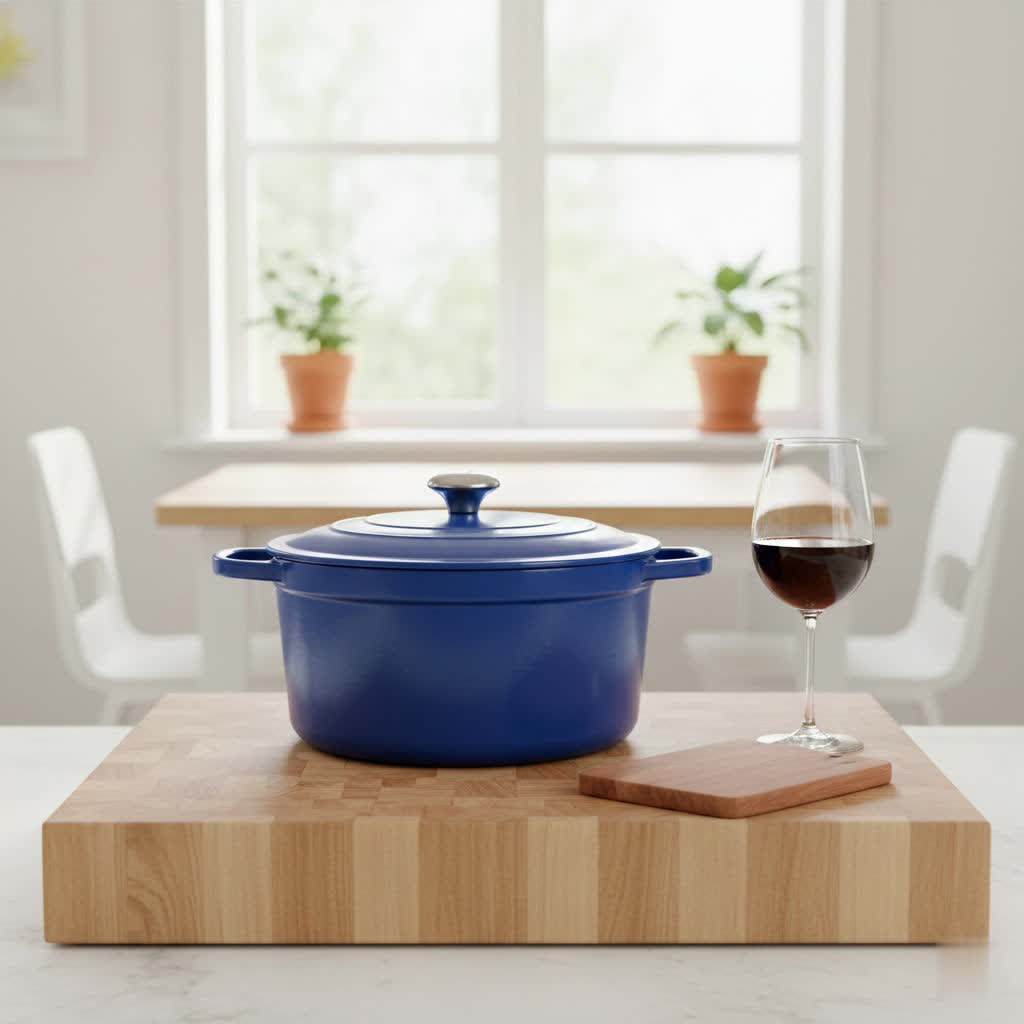
Enameled Cast Iron Dutch Oven: More commonly found in home kitchens, these have a ceramic enamel coating over cast iron.
- Considerations for Camp: While beautiful and easy to clean (no seasoning needed), the enamel can chip or crack when exposed to direct, high, uneven heat from a campfire, making them less suitable for traditional camp cooking methods. They are better suited for use on a camp stove or in a traditional oven.
-
Aluminum Dutch Oven: A lighter alternative, aluminum ovens heat up quickly.
- Considerations for Camp: They generally do not retain heat as well as cast iron and can be less durable when subjected to the intense heat of a campfire, potentially melting or warping. Their primary advantage is portability due to their reduced weight.
For true camp cooking over coals and open flames, the traditional raw cast iron camp Dutch oven with legs and a flanged lid is overwhelmingly the preferred and most effective choice.
Detailed Comparison: Camp Dutch Oven Features
Understanding the specific features of a camp Dutch oven compared to a home-use model is crucial for effective outdoor cooking.
| Feature | Traditional Cast Iron Camp Dutch Oven | Home/Enameled Dutch Oven |
|---|---|---|
| Material | Raw Cast Iron | Enameled Cast Iron |
| Bottom | Three integral legs for stability | Flat |
| Lid | Flat, flanged rim for holding coals | Domed, no rim |
| Heat Source | Coals (top & bottom), open fire, tripod | Oven, stovetop |
| Seasoning | Required for non-stick & rust prevention | Not required |
| Maintenance | Oiling, no soap, thorough drying | Easy cleaning with soap and water |
| Versatility | Baking, frying, stewing directly over fire | Baking, stewing, stovetop cooking |
| Weight | Heavy | Heavy |
How to Choose the Best Camp Dutch Oven for Your Adventures
Selecting the right camp Dutch oven ensures you have the best tool for your outdoor culinary aspirations. Consider these important factors:
- Size and Capacity: The capacity dictates how much food you can cook. A 10-inch Dutch oven (approximately 4-quart) is often suitable for 2-4 people, while a 12-inch (6-quart) can serve 6-8. Larger sizes, like 14-inch (10-quart), are great for big groups or ambitious dishes. Consider what you typically cook and for how many people.
- Material: For reasons of durability, heat retention, and versatility over open flame, cast iron is the undisputed champion for camp Dutch ovens. Look for high-quality, pre-seasoned cast iron to get started quickly.
- Lid Design: Ensure the lid is flat with a raised flange (lip). This design is critical for placing hot coals on top, providing essential overhead heat for baking and roasting, and preventing ash from falling into your food when removed.
- Legs: A true camp Dutch oven will have three sturdy legs on the bottom. These elevate the pot, allowing air circulation and space for coals underneath, ensuring even bottom heating and preventing the fire from being smothered.
- Handle: A strong, sturdy bail handle is essential for lifting the heavy pot, especially when it’s full of food and hot.
- Brand Reputation: Brands like Lodge are renowned for their quality cast iron products and are a reliable choice for camp Dutch ovens, often coming pre-seasoned and ready for adventure.
Essential Accessories for Camp Dutch Oven Cooking
To truly master camp Dutch oven cooking, a few key accessories will make your experience safer, easier, and more enjoyable:
- Lid Lifter: This T-shaped tool is crucial for safely removing and replacing the hot lid, allowing you to check your food or adjust coals without burning your hands.
- Heavy-Duty Gloves or Mitts: Insulated, elbow-length grilling or welding gloves are indispensable for handling hot Dutch ovens, coals, and fire.
- Charcoal Chimney Starter: For briquette users, a chimney starter provides a quick and efficient way to light charcoal evenly, ensuring you have a consistent heat source.
- Long Metal Tongs: Essential for arranging, adding, and removing hot charcoal briquettes or wood coals around your Dutch oven.
- Dutch Oven Carrying Case/Liner: Protects your Dutch oven during transport and keeps other gear clean from soot and seasoning residue.
- Trivet or Stand: While most camp Dutch ovens have legs, an additional trivet can be useful for placing hot ovens on picnic tables or for stacking multiple ovens.
- Heavy-Duty Foil or Parchment Paper: Can be used as a liner inside the Dutch oven for incredibly easy cleanup, especially for sticky or baked goods.
- Wire Brush/Scraper: For cleaning stubborn food residue without damaging the seasoning.
Mastering Heat Control: The Key to Camp Dutch Oven Success
The secret to consistently great camp Dutch oven cooking lies in understanding and managing heat. This can feel daunting at first, but with practice, it becomes intuitive.
-
Fuel Types:
- Charcoal Briquettes: The most common and easiest to control. They provide a consistent, measurable heat.
- Wood Coals: Can be used directly from your campfire but require more skill to gauge temperature and maintain consistency. Ensure they are fully burned down to glowing embers, not flaming wood.
-
Coal Placement Techniques for Temperature Control:
The general principle for achieving a desired temperature is to distribute coals both underneath and on top of the Dutch oven. More coals on top typically mean more baking/browning from above, while more underneath means more direct bottom heat.- General Rule for 350°F (Baking/Roasting): A common method is to use a total number of briquettes equal to “double the diameter of your Dutch oven, plus one.” For example, for a 12-inch oven, you would use (12 x 2) + 1 = 25 briquettes total.
- Distribution: Approximately one-third of the coals go underneath the Dutch oven, and two-thirds go on the lid. For a 12-inch oven needing 25 coals, this would be 8-9 coals underneath and 16-17 on top.
- Frying/Searing: Place all the coals underneath the Dutch oven for direct, high heat. A good starting point is the same number of coals as the oven’s diameter (e.g., 12 coals for a 12-inch oven).
- Simmering/Stewing: Aim for a more even heat distribution, perhaps a 50/50 split of coals, or slightly more underneath, with fewer on top to maintain a gentle simmer.
- Stack Cooking: When stacking, the coals on the lid of the lower oven provide bottom heat for the oven stacked above it. Items requiring more heat should generally be on top, with items needing less bottom heat (like bread or dessert) on the very bottom of the stack.
- General Rule for 350°F (Baking/Roasting): A common method is to use a total number of briquettes equal to “double the diameter of your Dutch oven, plus one.” For example, for a 12-inch oven, you would use (12 x 2) + 1 = 25 briquettes total.
-
Temperature Adjustment and Monitoring:
- Adding/Removing Coals: If your food is cooking too slowly, add more coals. If it’s cooking too fast or burning, remove some coals.
- Rotating Oven and Lid: To prevent hot spots and ensure even cooking, rotate the Dutch oven a quarter turn in one direction every 15-20 minutes, and the lid a quarter turn in the opposite direction. This helps distribute heat evenly.
- Preheating: For frying or searing, preheat your Dutch oven by placing it over coals for 10-15 minutes before adding food. For baking, you can often add food to a cold oven and let it heat up together.
- External Factors: Be mindful that wind, ambient temperature, and even the type of charcoal can affect cooking times and temperatures. Adjust accordingly.
Setup, Seasoning, and Care: Ensuring Longevity
Proper care of your cast iron Dutch oven is paramount for its performance and lifespan.
- Setup: Always place your Dutch oven on a flat, stable, fire-safe surface like dirt, gravel, or a designated fire ring, well away from flammable materials and play areas.
- Initial Seasoning (if not pre-seasoned): Many modern cast iron Dutch ovens come pre-seasoned. If yours doesn’t, or if you’re restoring an old one, you’ll need to season it.
- Wash thoroughly with hot water and a stiff brush (no soap for raw cast iron after initial wash).
- Dry completely on a heat source (like a camp stove) to prevent rust.
- Apply a very thin layer of cooking oil (like vegetable oil or flaxseed oil) to all surfaces, inside and out.
- Bake upside down at a high temperature (around 400°F) for an hour, then let it cool slowly. Repeat several times for a durable seasoning.
- Maintenance Seasoning: After each use and cleaning, apply a thin layer of cooking oil. This maintains the non-stick surface and prevents rust.
- Cleaning:
- Allow the Dutch oven to cool slightly, but don’t let food dry on.
- Scrape out any food residue with a non-metallic spatula or plastic scraper.
- Wash with hot water and a stiff brush or non-metallic scouring pad. Avoid soap on raw cast iron as it can strip the seasoning.
- Rinse thoroughly and immediately dry completely on a heat source (e.g., over a low flame or on a camp stove).
- Once dry, apply a thin, even coat of cooking oil to all surfaces, inside and out, including the lid and legs.
- Storage: Store your Dutch oven in a dry, well-ventilated area. Place a folded paper towel or newspaper inside, with the lid slightly ajar, to absorb any moisture and allow air circulation, preventing musty odors and rust.
Delicious Camp Dutch Oven Recipes to Try
The versatility of a camp Dutch oven means you’re only limited by your imagination. Here are a few popular ideas:
-
Hearty Breakfasts:
- Baked French Toast: Prepare the egg mixture the night before, pour over bread in the Dutch oven, and bake in the morning for a crowd-pleasing start to the day.
- Breakfast Bake/Frittata: Combine eggs, sausage, cheese, and vegetables for a satisfying one-pot morning meal.
-
Satisfying Main Courses:
- Chili or Stew: Classic comfort food, perfect for simmering over coals. The Dutch oven allows flavors to meld beautifully.
- Roast Chicken or Pork: Place vegetables around a whole chicken or roast for a complete meal.
- Lasagna or Enchiladas: Layer ingredients for delicious baked pasta or Mexican dishes right in the wilderness.
-
Freshly Baked Breads:
- Campfire Bread: A simple dough baked to golden perfection is a true camp delight.
- Cornbread: Serve hot and fresh alongside chili or stew.
-
Decadent Desserts:
- Fruit Cobblers (Peach or Apple): Layer fruit with a biscuit topping and bake until bubbly and golden. A scoop of ice cream (if you have a cooler) makes it irresistible.
- Giant Cinnamon Buns: A warm, sweet treat for a special morning.
- S’mores Dip: A gooey, chocolatey, marshmallowy indulgence that’s always a hit.
Advanced Camp Dutch Oven Techniques
Once you’ve mastered the basics, explore these techniques to expand your outdoor culinary skills:
- Stack Cooking: This impressive technique allows you to cook multiple dishes simultaneously. Place the largest Dutch oven on the bottom with coals underneath and on its lid. Stack a smaller oven on top of the first lid, using those coals for its bottom heat, and then place coals on its lid. This conserves fuel and space.
- Using the Lid as a Griddle/Skillet: Flip the flanged lid upside down over coals, and it becomes an instant griddle, perfect for cooking pancakes, bacon, or frying eggs.
- Foil or Parchment Liners: For easy cleanup of particularly sticky dishes or baked goods, use heavy-duty aluminum foil or parchment paper to line your Dutch oven before cooking. This is a game-changer for minimizing scrubbing at camp.
Where to Buy Your Camp Dutch Oven and Accessories
Investing in a quality camp Dutch oven and its essential accessories is a worthwhile endeavor. You can find these items at:
- Outdoor Gear Stores: Retailers specializing in camping and outdoor equipment often carry a selection of Dutch ovens and related tools.
- Sporting Goods Stores: Many large sporting goods chains have a dedicated camping section.
- Online Retailers: Websites like Amazon, Lodge Cast Iron’s official site, and specialty camping supply stores offer a wide range of options and often competitive pricing. When buying online, always read reviews and check product specifications to ensure you’re getting a true camp Dutch oven with legs and a flanged lid.
Conclusion
The camp Dutch oven is a testament to the idea that outdoor cooking can be as rich and varied as cooking at home. With its rugged durability, superior heat retention, and incredible versatility, it transforms simple camp meals into memorable culinary experiences. By understanding the nuances of heat control, proper seasoning, and utilizing a few key accessories, you can confidently bake, roast, fry, and stew your way through any wilderness adventure. So, pack your ingredients, gather your coals, and embrace the timeless tradition of Dutch oven cooking around the campfire. What delicious creation will you bring to life on your next outdoor excursion?
Frequently Asked Questions
How do you clean a camp Dutch oven without soap?
|
Our Picks for the Best Dutch Oven in 2026
As an Amazon Associate I earn from qualifying purchases.
|
||
| Num | Product | Action |
|---|---|---|
| 1 | HomeVSS 5.5-Quart Enameled Cast Iron Dutch Oven with Lid & Dual Handles – Heavy-Duty for Bread Baking, Braising, Stews, Roasting, Oven & Induction Compatible, Blue |

|
| 2 | Lodge 6 Quart Enameled Cast Iron Dutch Oven with Lid – Dual Handles – Oven Safe up to 500° F or on Stovetop - Use to Marinate, Cook, Bake, Refrigerate and Serve – Burnt Sienna |
|
| 3 | Lodge 6 Quart Enameled Cast Iron Dutch Oven with Lid – Dual Handles – Oven Safe up to 500° F or on Stovetop - Use to Marinate, Cook, Bake, Refrigerate and Serve – Avocado |
|
| 4 | Lodge 6 Quart Enameled Cast Iron Dutch Oven with Lid – Dual Handles – Oven Safe up to 500° F or on Stovetop - Use to Marinate, Cook, Bake, Refrigerate and Serve – Cornflower Blue |
|
| 5 | Lodge 6 Quart Enameled Cast Iron Dutch Oven with Lid – Dual Handles – Oven Safe up to 500° F or on Stovetop - Use to Marinate, Cook, Bake, Refrigerate and Serve – Blue |
|
| 6 | Lodge 6 Quart Enameled Cast Iron Dutch Oven with Lid – Dual Handles – Oven Safe up to 500° F or on Stovetop - Use to Marinate, Cook, Bake, Refrigerate and Serve – Apricot |
|
| 7 | Lodge 6 Quart Enameled Cast Iron Dutch Oven with Lid – Dual Handles, Oven Safe up to 500°F, Stovetop Compatible – Marinate, Cook, Bake, Refrigerate & Serve – Oyster White |
|
| 8 | Lodge 6 Quart Enameled Cast Iron Dutch Oven with Lid – Dual Handles – Oven Safe up to 500° F or on Stovetop - Use to Marinate, Cook, Bake, Refrigerate and Serve – Cranberry |
|
| 9 | HomeVSS 5.5-Quart Enameled Cast Iron Dutch Oven with Lid & Dual Handles – Heavy-Duty for Bread Baking, Braising, Stews, Roasting, Oven & Induction Compatible, Red |
|
| 10 | HomeVSS 5.5-Quart Enameled Cast Iron Dutch Oven with Lid & Dual Handles – Heavy-Duty for Bread Baking, Braising, Stews, Roasting, Oven & Induction Compatible, Orange |
|
To clean a raw cast iron camp Dutch oven without soap, scrape out food residue, then use hot water and a stiff brush or non-metallic scrubber. Rinse thoroughly, dry immediately on a heat source until all moisture evaporates, and apply a thin coat of cooking oil to all surfaces before storing.
Can you use a regular Dutch oven for camping?
While you technically can use a regular flat-bottomed, enameled Dutch oven for camping, it’s not ideal for direct campfire use. Its lack of legs makes coal placement underneath difficult, and the enamel can chip or crack from direct, uneven flame exposure. Traditional camp Dutch ovens with legs and flanged lids are far superior for outdoor cooking over coals.
How do you keep food from burning in a camp Dutch oven?
Prevent burning by carefully managing heat: use the recommended number of coals (typically 1/3 underneath, 2/3 on top for baking), rotate the oven and lid every 15-20 minutes to prevent hot spots, and preheat only when necessary. If food is cooking too fast, reduce the number of coals.
What size Dutch oven is best for camping?
A 10-inch Dutch oven (approximately 4-quart) is versatile for 2-4 people. A 12-inch (6-quart) is a popular choice for larger groups of 6-8. Consider your typical group size and the types of meals you plan to prepare to determine the most suitable capacity.
Is it worth buying a Dutch oven for camping?
Absolutely! A camp Dutch oven is a highly versatile, durable, and rewarding piece of cookware that allows you to prepare a vast array of delicious, home-quality meals beyond typical campfire fare. For anyone serious about elevating their outdoor culinary experience, it is an excellent investment.
