Step into virtually any well-appointed kitchen, and you’re likely to spot a true culinary icon: the Dutch oven. While traditional cast iron models have a storied past, the enameled Dutch oven has revolutionized home cooking, blending robust performance with effortless elegance. This versatile pot has earned its place as a kitchen workhorse, capable of transforming simple ingredients into gourmet meals. Whether you’re a seasoned chef or just beginning your culinary journey, understanding the nuances of this beloved cookware can unlock a world of delicious possibilities. In this comprehensive guide, we’ll delve into everything you need to know about enameled Dutch ovens, from their construction and benefits to selecting the perfect one and mastering its care.
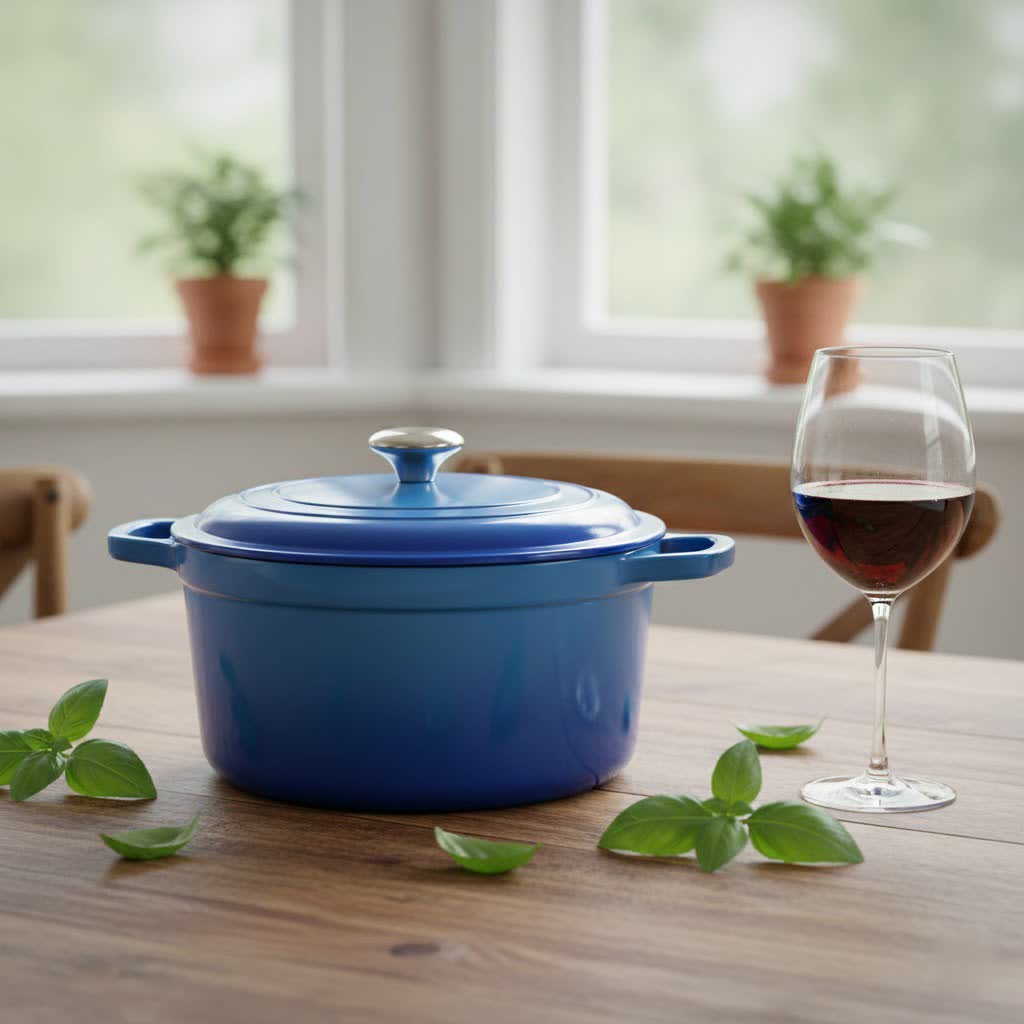
What is an Enameled Dutch Oven and Why You Need One
An enameled Dutch oven is fundamentally a cast iron pot coated with a layer of porcelain enamel, which is essentially powdered glass fused to the cast iron at high temperatures. This vitreous coating creates a smooth, non-porous surface that offers numerous advantages over its bare cast iron counterpart. While the underlying cast iron provides exceptional heat retention and even heat distribution, the enamel layer eliminates the need for seasoning, prevents rust, and makes the pot non-reactive to acidic ingredients like tomatoes or wine.
The history of Dutch ovens dates back centuries, with various cultures developing their versions of heavy, lidded cooking pots. The innovation of enameling cast iron brought a new level of convenience and aesthetic appeal to this traditional cookware. Enameled Dutch ovens are favored for their ability to handle diverse cooking methods with grace. They excel at slow cooking, braising, stewing, searing, roasting, and even baking bread, making them an indispensable tool for any kitchen. Their beautiful, often vibrant colors also allow them to transition seamlessly from stovetop or oven directly to the dining table, serving as an attractive centerpiece.
Enameled vs. Bare Cast Iron: A Head-to-Head Comparison
Choosing between an enameled and bare cast iron Dutch oven often comes down to balancing tradition with modern convenience and specific cooking needs. Both types boast impressive heat retention and even cooking capabilities, but their differences significantly impact use and maintenance.
Enameled cast iron, as discussed, features a glass-like coating. This coating eliminates the need for seasoning, a crucial step for bare cast iron to develop a non-stick surface and prevent rust. Consequently, enameled Dutch ovens are much easier to clean, typically requiring just warm soapy water and a soft sponge. They are also non-reactive, meaning you can confidently cook acidic foods without worrying about them stripping away seasoning or leaching metallic flavors into your dish. However, the enamel can be prone to chipping if dropped or if subjected to extreme thermal shock (like plunging a hot pot into cold water). High, dry heat can also damage the enamel over time. While many enameled Dutch ovens are technically dishwasher safe, hand washing is often recommended to preserve the finish.
Bare cast iron, on the other hand, is rugged and incredibly durable. It requires regular seasoning with oil to maintain its non-stick properties and protect against rust. This process creates a resilient, naturally non-stick patina that improves with age and use. Bare cast iron is also more versatile for outdoor cooking, as it can withstand the direct flames of a campfire or grill without damaging a delicate enamel coating. While generally more affordable, bare cast iron needs careful attention to drying to prevent rust and can react with highly acidic foods, potentially imparting an off-flavor and eroding the seasoning.
Beyond these two primary types, some manufacturers offer aluminum or ceramic-coated aluminum Dutch ovens. These are significantly lighter, heat up quickly, and are often non-stick. However, they typically don’t retain heat as well as cast iron and may not achieve the same deep sear or even browning.
| Feature | Enameled Cast Iron | Bare Cast Iron | Aluminum/Ceramic-Coated |
|---|---|---|---|
| Heat Retention | Excellent | Excellent | Good |
| Durability | High (but can chip) | Very High | Medium |
| Seasoning | Not Required | Essential | Not Required |
| Acidic Foods | Non-Reactive | Reactive (can strip seasoning) | Non-Reactive |
| Cleaning | Easy (soap & water) | Hand wash (no harsh soap) | Easy (soap & water) |
| Rust | Resistant (rim may rust) | Prone to rust if not cared for | Resistant |
| Weight | Heavy | Heavy | Light |
| Price | Higher | Moderate | Lower |
| Outdoor Use | Not recommended (enamel damage) | Excellent (campfires, grills) | Good |
Choosing Your Perfect Enameled Dutch Oven: Key Factors
Selecting the right enameled Dutch oven involves considering several factors to ensure it meets your specific cooking needs and preferences. With a wide array of options available, making an informed choice can significantly enhance your culinary experience.
Size and Capacity
|
Our Picks for the Best Dutch Oven in 2026
As an Amazon Associate I earn from qualifying purchases.
|
||
| Num | Product | Action |
|---|---|---|
| 1 | Lodge 6 Quart Enameled Cast Iron Dutch Oven with Lid – Dual Handles, Oven Safe up to 500°F, Stovetop Compatible – Marinate, Cook, Bake, Refrigerate & Serve – Oyster White |

|
| 2 | Lodge 6 Quart Enameled Cast Iron Dutch Oven with Lid – Dual Handles – Oven Safe up to 500° F or on Stovetop - Use to Marinate, Cook, Bake, Refrigerate and Serve – Avocado |
|
| 3 | HomeVSS 5.5-Quart Enameled Cast Iron Dutch Oven with Lid & Dual Handles – Heavy-Duty for Bread Baking, Braising, Stews, Roasting, Oven & Induction Compatible, Blue |
|
| 4 | HomeVSS 5.5-Quart Enameled Cast Iron Dutch Oven with Lid & Dual Handles – Heavy-Duty for Bread Baking, Braising, Stews, Roasting, Oven & Induction Compatible, Red |
|
| 5 | Lodge 6 Quart Enameled Cast Iron Dutch Oven with Lid – Dual Handles – Oven Safe up to 500° F or on Stovetop - Use to Marinate, Cook, Bake, Refrigerate and Serve – Blue |
|
| 6 | Lodge 6 Quart Enameled Cast Iron Dutch Oven with Lid – Dual Handles – Oven Safe up to 500° F or on Stovetop - Use to Marinate, Cook, Bake, Refrigerate and Serve – Cornflower Blue |
|
| 7 | Lodge 6 Quart Enameled Cast Iron Dutch Oven with Lid – Dual Handles – Oven Safe up to 500° F or on Stovetop - Use to Marinate, Cook, Bake, Refrigerate and Serve – Apricot |
|
| 8 | HomeVSS 5.5-Quart Enameled Cast Iron Dutch Oven with Lid & Dual Handles – Heavy-Duty for Bread Baking, Braising, Stews, Roasting, Oven & Induction Compatible, Orange |
|
| 9 | Lodge 6 Quart Enameled Cast Iron Dutch Oven with Lid – Dual Handles – Oven Safe up to 500° F or on Stovetop - Use to Marinate, Cook, Bake, Refrigerate and Serve – Burnt Sienna |
|
| 10 | Lodge 6 Quart Enameled Cast Iron Dutch Oven with Lid – Dual Handles – Oven Safe up to 500° F or on Stovetop - Use to Marinate, Cook, Bake, Refrigerate and Serve – Cranberry |
|
The capacity of a Dutch oven is crucial. A 5- to 7-quart (approximately 4.7 to 6.6 liters) round Dutch oven is generally considered the most versatile size for families of 4-6 people, suitable for most stews, roasts, and bread baking. Smaller sizes (1-4 quarts) are perfect for side dishes, sauces, or meals for one or two. Larger sizes (7-13 quarts) are ideal for entertaining, batch cooking, or very large roasts. Consider your typical meal sizes and storage space before committing to a capacity.
Material Quality
While all enameled Dutch ovens feature a cast iron core and an enamel coating, the quality of these materials can vary. High-quality cast iron ensures superior heat distribution and retention, while a durable, chip-resistant enamel finish is key for longevity. Look for even enamel coating, both inside and out, with no visible imperfections. The inner surface is particularly important for cooking performance and easy cleaning.
Brands
Several brands dominate the enameled Dutch oven market, each with its unique characteristics:
- Le Creuset: Often considered the “Rolls Royce” of Dutch ovens, Le Creuset is renowned for its exceptional quality, wide range of vibrant colors, and relatively lighter weight due to its pure iron ore. Their light-colored interior enamel makes it easy to monitor fond development and browning. Many users find their wide handles particularly comfortable to grip, even with oven mitts.
- Staub: Another premium brand, Staub Dutch ovens (often called cocottes) are celebrated for their self-basting lids, which feature small spikes or nubs on the underside that continuously return moisture to the food, resulting in incredibly moist dishes. Staub models tend to be heavier than Le Creuset and often have a darker interior enamel.
- Lodge: A fantastic budget-friendly option, Lodge enameled Dutch ovens offer excellent performance and durability at a fraction of the cost of premium brands. They are a great entry point for anyone looking to experience the benefits of enameled cast iron without a significant investment.
- Milo, Our Place, Tramontina: These brands offer stylish and functional options, often at a more accessible price point than Le Creuset or Staub, providing good alternatives for those seeking specific aesthetics or value.
Lid Design
A tight-fitting lid is essential for a Dutch oven, as it traps steam and moisture, ensuring tender and flavorful results, especially for slow-cooked dishes. As mentioned, some brands like Staub feature self-basting lids with internal spikes that help circulate moisture, which can be a significant advantage for certain recipes.
Handles & Knobs
Large, easy-grip handles are important for safely lifting and moving a heavy Dutch oven, especially when it’s full of food. Ensure the handles are sturdy and comfortable to hold, even when wearing oven mitts. The lid knob should also be oven-safe to high temperatures (typically up to 450-500°F or 232-260°C) if you plan to use your Dutch oven for baking or roasting in the oven. Some premium brands offer stainless steel knobs that can withstand even higher temperatures.
Top Enameled Dutch Ovens Loved by Home Cooks
When it comes to enameled Dutch ovens, certain brands consistently rise to the top for their quality, performance, and user satisfaction. Here are a few of the most popular and highly-rated options:
Le Creuset Enameled Cast Iron Round Dutch Oven
Le Creuset is synonymous with high-quality enameled cast iron. Their round Dutch ovens are celebrated for their flawless enamel finish, which resists staining and sticking, and comes in a breathtaking array of colors. Many home cooks appreciate the lighter weight of Le Creuset compared to some other premium brands, making them easier to handle. The light-colored interior enamel is a standout feature, allowing chefs to easily monitor browning and fond development, which is crucial for building deep flavors. While an investment, a Le Creuset Dutch oven is often considered a heritage piece, designed to last for generations.
Staub Cast Iron Round Cocotte
Staub cocottes are a favorite among serious cooks for their exceptional heat retention and innovative design. The most distinctive feature is their self-basting lid, which has strategically placed spikes on the interior. These spikes continuously collect and return condensation to the food, ensuring unparalleled moisture and tenderness, particularly for braises and stews. Staub Dutch ovens tend to be heavier and often feature a darker interior, which some cooks prefer for hiding the appearance of stains, while others might find it harder to gauge browning. They are incredibly durable and offer robust performance.
Lodge Enameled Cast Iron Dutch Oven
For those seeking a high-performing enameled Dutch oven without the premium price tag, Lodge is an unbeatable choice. Lodge has built a reputation for producing reliable cast iron cookware, and their enameled line is no exception. These Dutch ovens provide excellent heat distribution and retention, making them a fantastic workhorse for everyday cooking. While they may not offer the same extensive color palette or lightweight design as Le Creuset, they deliver on core performance, making them a highly recommended budget-friendly option that doesn’t compromise on quality.
Mastering Your Enameled Dutch Oven: Usage Tips
Getting the most out of your enameled Dutch oven involves understanding a few key usage principles to ensure its longevity and optimal cooking performance.
First and foremost, preheating is vital, but patience is key. Always start with a low to medium heat setting and allow your Dutch oven to preheat slowly for several minutes before adding ingredients. Avoid blasting it with high heat from the start, as rapid temperature changes can cause thermal shock, potentially leading to cracking or chipping of the enamel. It’s also recommended to add a bit of oil or butter before preheating, as heating an empty enameled pot can sometimes damage the enamel.
Enameled Dutch ovens are incredibly versatile, excelling in various cooking methods:
- Braising and Stewing: The heavy, tight-fitting lid creates a moist environment perfect for slow cooking tough cuts of meat and simmering flavorful stews.
- Searing: With its excellent heat retention, an enameled Dutch oven can achieve a beautiful, caramelized crust on meats and vegetables before deglazing and continuing to cook.
- Baking: It’s a favorite for baking artisan no-knead bread, as the enclosed space traps steam, resulting in a perfectly crisp crust and chewy interior. It’s also great for cobblers and small roasts.
- Deep Frying: The pot’s depth and ability to maintain consistent oil temperatures make it suitable for deep frying.
When cooking, avoid using metal utensils as they can scratch or chip the enamel surface. Opt for wooden, silicone, or heat-resistant plastic tools instead. Similarly, steer clear of aerosol cooking sprays, which can leave a sticky residue that is difficult to remove and can build up over time, potentially impacting the enamel. Always ensure your lid knob is oven-safe for the temperature you are using, or consider replacing it with a metal one if you frequently bake at very high temperatures.
Care and Maintenance for Long-Lasting Beauty
Proper care is paramount to ensure your enameled Dutch oven remains a cherished piece of cookware for years to come. Following a few simple steps will help preserve its beautiful finish and cooking performance.
Always allow your Dutch oven to cool completely to room temperature before washing. Thermal shock, caused by exposing a hot pot to cold water, is one of the leading causes of enamel damage. Once cool, hand washing is highly recommended over dishwasher use. While some enameled Dutch ovens are advertised as dishwasher safe, frequent dishwashing, harsh detergents, and high heat can dull the enamel finish over time, even if it doesn’t affect cooking performance.
For routine cleaning, use warm, soapy water and a soft sponge or a nylon brush. Avoid abrasive scrubbers like steel wool, scouring pads, or harsh cleaners, which can scratch or etch the enamel surface. Also, refrain from using citrus-based cleaners, as they can dull the enamel’s exterior gloss.
For more stubborn stains or burnt-on food:
- Soak: Fill the pot with warm, soapy water and let it soak for 15-20 minutes, or even a few hours, to loosen residue.
- Baking Soda Method: For tougher burnt spots, fill the Dutch oven with water, bring it to a boil, then add 2-3 tablespoons of baking soda. Simmer for 5-10 minutes, then gently scrape with a wooden or silicone utensil. A paste of baking soda and a little water can also be used to gently scrub stains.
- Bar Keeper’s Friend: For persistent stains or discoloration, sprinkle a small amount of Bar Keeper’s Friend onto a damp sponge and gently scrub. Rinse thoroughly. Some sources also suggest a diluted bleach solution (1 teaspoon bleach per pint of water, soaked overnight) for very tough stains, but this should be done cautiously.
After washing, dry your Dutch oven thoroughly with a clean towel. Pay special attention to any exposed cast iron rims, as these areas are not enameled and can rust if left wet. Applying a thin layer of vegetable oil to the exposed rim can help prevent rust. Finally, store your enameled Dutch oven in a cool, dry place. If stacking, use pot protectors or a kitchen towel between the pot and its lid to prevent chipping and allow for air circulation, which helps prevent moisture buildup.
Unlock Culinary Delights: Recipes for Your Enameled Dutch Oven
The enameled Dutch oven is a culinary chameleon, ready to tackle a vast array of recipes. Its even heat distribution and ability to go from stovetop to oven make it perfect for both everyday meals and special occasions.
- Hearty Stews and Braises: Classic beef bourguignon, coq au vin, lamb tagine, or a simple chicken stew all shine in a Dutch oven. The slow, moist cooking breaks down tough cuts of meat, yielding fork-tender results.
- Artisan Bread: For many home bakers, the enameled Dutch oven is essential for creating crusty, bakery-quality no-knead bread. The enclosed environment mimics a professional bread oven, trapping steam for an incredible crust.
- Soups and Chilis: From a robust minestrone to a smoky chili con carne, the Dutch oven is ideal for simmering large batches of soup, allowing flavors to meld beautifully.
- Roasts: Roast chicken, pork shoulder, or even a small turkey can achieve succulent interiors and golden-brown exteriors when cooked in an enameled Dutch oven.
- Deep Frying: Its sturdy construction and heat retention make it a safe and effective vessel for deep-frying chicken, fish, or donuts, maintaining a consistent oil temperature.
- Desserts: Don’t limit it to savory dishes! Dutch ovens are excellent for baking fruit crisps, cobblers, and even layered cakes.
The possibilities are truly endless, encouraging experimentation and creative cooking.
Where to Buy Your Enameled Dutch Oven
Enameled Dutch ovens are widely available, both in physical stores and online, making it easy to find the perfect piece for your kitchen.
Brick-and-Mortar Stores:
- Department Stores: High-end department stores (e.g., Macy’s, Nordstrom, Bloomingdale’s) often carry premium brands like Le Creuset and Staub. Mid-range department stores may stock Lodge or other quality brands.
- Specialty Kitchen Stores: Stores dedicated to cookware and kitchen gadgets are excellent places to see and feel the products, allowing you to assess weight, handle comfort, and enamel finish firsthand.
- Home Goods Stores: Stores like HomeGoods or TJ Maxx can sometimes offer discounted enameled Dutch ovens from various brands, though selection may be limited and inconsistent.
Online Marketplaces:
- Brand Websites: Purchasing directly from Le Creuset, Staub, or Lodge’s official websites ensures authenticity and often comes with the best warranty support.
- Major Online Retailers: Amazon, Walmart, Target, and Wayfair offer a vast selection from numerous brands, often with competitive pricing and customer reviews to aid your decision.
- Specialty Online Cookware Stores: Websites like Sur La Table, Williams Sonoma, or Made In Cookware provide curated selections and detailed product information.
When buying online, always read customer reviews, check the seller’s reputation, and confirm the warranty and return policy. Be wary of deals that seem too good to be true, as counterfeit products can sometimes be found. Consider measuring your stovetop and oven dimensions to ensure your chosen Dutch oven will fit comfortably.
Conclusion
The enameled Dutch oven is more than just a pot; it’s an investment in countless delicious meals and a centerpiece of kitchen functionality. Its blend of classic cast iron performance with modern convenience makes it an indispensable tool for braising, stewing, baking, and so much more. By understanding its unique properties, choosing wisely, and committing to proper care, you can ensure your enameled Dutch oven becomes a cherished companion, lasting through generations of culinary adventures. So, are you ready to unlock the full potential of this kitchen powerhouse and create your next masterpiece?
Frequently Asked Questions
Can you put an enameled Dutch oven in the dishwasher?
While some enameled Dutch ovens are technically dishwasher safe, it is generally recommended to hand wash them with warm, soapy water and a soft sponge. This helps preserve the enamel’s vibrant finish and prevents potential dulling or chipping over time that can occur with harsh detergents and high heat in a dishwasher.
Do enameled Dutch ovens need to be seasoned?
No, enameled Dutch ovens do not need to be seasoned. The porcelain enamel coating provides a smooth, non-porous surface that doesn’t require the seasoning process necessary for bare cast iron to prevent rust and create a non-stick layer. This makes them significantly easier to maintain.
Can I use metal utensils in my enameled Dutch oven?
It is strongly advised to avoid using metal utensils with your enameled Dutch oven. Metal can scratch, chip, or otherwise damage the delicate enamel surface. Always opt for wooden, silicone, or heat-resistant plastic utensils to protect your cookware.
Is it safe to cook acidic foods like tomato sauce in an enameled Dutch oven?
Yes, enameled Dutch ovens are perfectly safe for cooking acidic foods such as tomato sauces, wine reductions, or citrus-based dishes. The enamel coating acts as a barrier, preventing the acidic ingredients from reacting with the cast iron core, which can happen with bare cast iron and lead to metallic flavors or stripped seasoning.
What is the maximum temperature an enameled Dutch oven can withstand in the oven?
Most enameled Dutch ovens are oven-safe up to 450-500°F (232-260°C). However, it’s crucial to check the manufacturer’s specific guidelines, especially for the lid knob, as some plastic knobs may have lower temperature limits. If baking at very high temperatures, some users opt to remove the knob or replace it with a metal one.
