A Dutch oven isn’t just another pot in your kitchen; it’s a culinary cornerstone, a heavy-duty workhorse that can transform simple ingredients into extraordinary meals. From slow-cooked stews that melt in your mouth to perfectly crusted artisan bread, this versatile piece of cookware excels at a myriad of tasks. But with so many brands on the market, ranging from heritage luxury items to modern budget-friendly options, choosing the best Dutch oven can feel overwhelming. This guide will navigate you through the world of Dutch ovens, helping you understand their types, what to look for, and which brands truly stand out, ensuring you find the perfect companion for your culinary adventures.
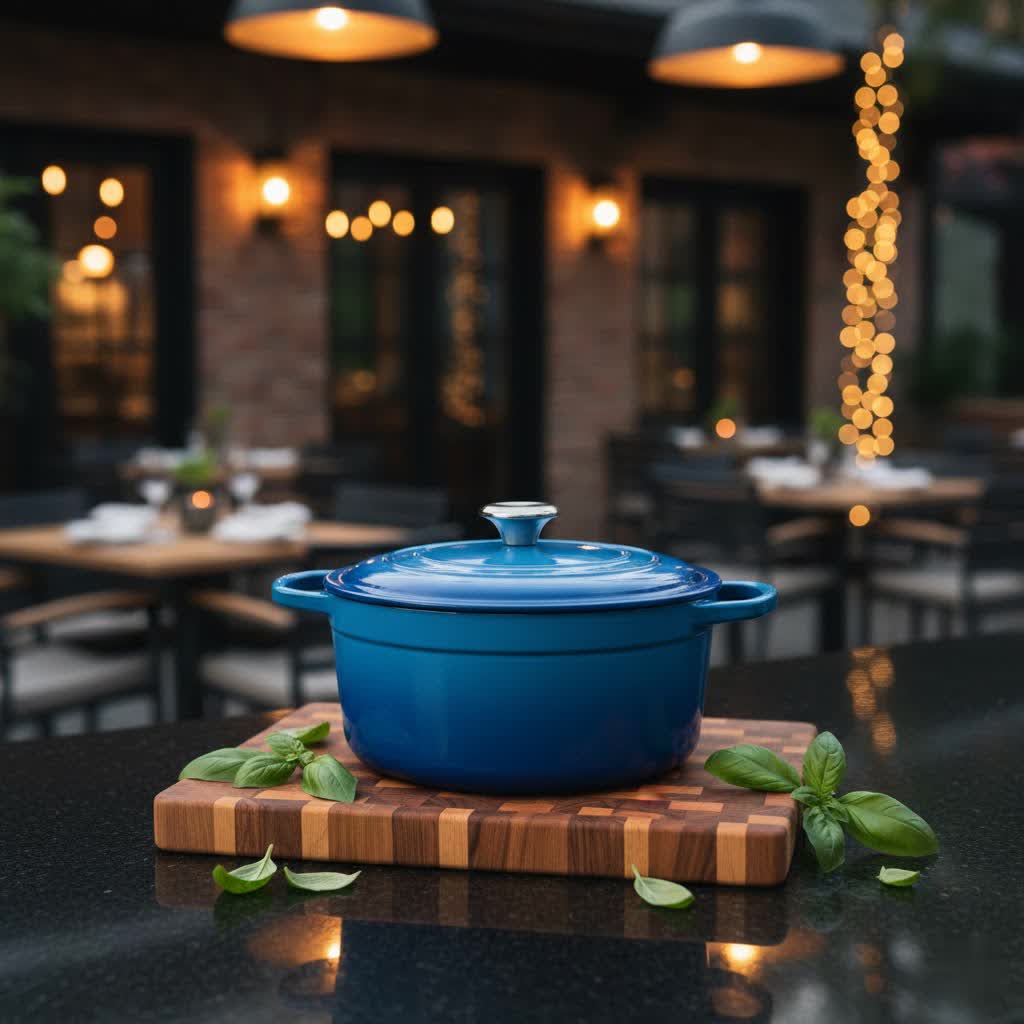
Dutch Oven: What Is It and Why You Need One?
At its core, a Dutch oven is a thick-walled, heavy-bottomed cooking pot with a tight-fitting lid. Traditionally made from cast iron, these vessels are celebrated for their exceptional ability to retain and distribute heat evenly, making them ideal for long, slow cooking methods. Their robust construction allows them to seamlessly transition from stovetop to oven, handling high temperatures with ease.
The history of the Dutch oven dates back centuries, evolving from simple cast iron pots used over open flames to the sophisticated enameled versions popular today. Owning a Dutch oven offers numerous advantages in the kitchen. It acts as a multi-functional tool, capable of searing meats to perfection, braising tough cuts into tender masterpieces, simmering rich soups and sauces, and even baking crusty loaves of bread with a professional finish. Its ability to maintain consistent temperatures helps prevent scorching and ensures your food cooks uniformly, enhancing flavors and textures.
Types of Dutch Ovens: Choosing Your Ideal Cookware
Dutch ovens primarily come in a few key material types, each offering distinct benefits and considerations. Understanding these differences is crucial for selecting the one that best suits your cooking style and maintenance preferences.
Cast Iron Dutch Oven (Bare/Uncoated)
This is the traditional form of the Dutch oven, known for its rugged durability and superior heat retention. Bare cast iron requires seasoning—a process of baking oil onto the surface—to create a natural non-stick layer and prevent rust.
- Pros: Unmatched durability, excellent heat retention and even distribution, ideal for high-heat searing and outdoor cooking over open flames or campfires, develops a natural non-stick patina with continued seasoning.
- Cons: Heavy, requires regular seasoning and specific cleaning (no harsh soaps), can react with acidic foods, potentially imparting metallic flavors or stripping the seasoning.
|
Our Picks for the Best Dutch Oven in 2026
As an Amazon Associate I earn from qualifying purchases.
|
||
| Num | Product | Action |
|---|---|---|
| 1 | Lodge 6 Quart Enameled Cast Iron Dutch Oven with Lid – Dual Handles – Oven Safe up to 500° F or on Stovetop - Use to Marinate, Cook, Bake, Refrigerate and Serve – Blue |

|
| 2 | Lodge 6 Quart Enameled Cast Iron Dutch Oven with Lid – Dual Handles – Oven Safe up to 500° F or on Stovetop - Use to Marinate, Cook, Bake, Refrigerate and Serve – Cornflower Blue |
|
| 3 | HomeVSS 5.5-Quart Enameled Cast Iron Dutch Oven with Lid & Dual Handles – Heavy-Duty for Bread Baking, Braising, Stews, Roasting, Oven & Induction Compatible, Orange |
|
| 4 | HomeVSS 5.5-Quart Enameled Cast Iron Dutch Oven with Lid & Dual Handles – Heavy-Duty for Bread Baking, Braising, Stews, Roasting, Oven & Induction Compatible, Blue |
|
| 5 | Lodge 6 Quart Enameled Cast Iron Dutch Oven with Lid – Dual Handles – Oven Safe up to 500° F or on Stovetop - Use to Marinate, Cook, Bake, Refrigerate and Serve – Cranberry |
|
| 6 | Lodge 6 Quart Enameled Cast Iron Dutch Oven with Lid – Dual Handles, Oven Safe up to 500°F, Stovetop Compatible – Marinate, Cook, Bake, Refrigerate & Serve – Oyster White |
|
| 7 | Lodge 6 Quart Enameled Cast Iron Dutch Oven with Lid – Dual Handles – Oven Safe up to 500° F or on Stovetop - Use to Marinate, Cook, Bake, Refrigerate and Serve – Avocado |
|
| 8 | Lodge 6 Quart Enameled Cast Iron Dutch Oven with Lid – Dual Handles – Oven Safe up to 500° F or on Stovetop - Use to Marinate, Cook, Bake, Refrigerate and Serve – Apricot |
|
| 9 | HomeVSS 5.5-Quart Enameled Cast Iron Dutch Oven with Lid & Dual Handles – Heavy-Duty for Bread Baking, Braising, Stews, Roasting, Oven & Induction Compatible, Red |
|
| 10 | Lodge 6 Quart Enameled Cast Iron Dutch Oven with Lid – Dual Handles – Oven Safe up to 500° F or on Stovetop - Use to Marinate, Cook, Bake, Refrigerate and Serve – Burnt Sienna |
|
Enameled Cast Iron Dutch Oven
The most popular type today, enameled cast iron features a glass-like enamel coating bonded to the cast iron. This coating eliminates the need for seasoning and makes the pot non-reactive.
- Pros: Non-reactive surface (safe for acidic foods), easy to clean, available in a vast array of vibrant colors, retains heat exceptionally well, suitable for all cooktops including induction.
- Cons: Can be very heavy, enamel can chip or crack if dropped or subjected to extreme thermal shock, often more expensive than bare cast iron.
Aluminum Dutch Oven
While less common, some Dutch ovens are made from aluminum, often with a ceramic coating.
- Pros: Significantly lighter than cast iron, good heat conductivity, generally non-reactive.
- Cons: Does not retain heat as effectively as cast iron, may not be as durable, searing capabilities might be less pronounced.
Ceramic Dutch Oven
Made from high-fired clay, ceramic Dutch ovens are another alternative to cast iron.
- Pros: Very lightweight, aesthetically pleasing, non-toxic, handles can stay cool to the touch.
- Cons: Can be more fragile and prone to chipping or breakage than cast iron, generally not induction compatible, may not achieve the same deep sear or heat retention as cast iron.
Detailed Comparison of Dutch Oven Materials
| Feature | Cast Iron (Bare) | Enameled Cast Iron | Aluminum | Ceramic |
|---|---|---|---|---|
| Heat Retention | Excellent | Excellent | Good | Moderate |
| Durability | Very High | High (enamel can chip) | Moderate | Moderate |
| Cleaning | More involved (seasoning) | Easy | Easy | Easy |
| Weight | Heavy | Heavy | Light | Lightweight |
| Price | Medium | High (can be very high) | Low | Medium to High |
| Acidic Foods | Not recommended | Yes | Yes | Yes |
| Induction Comp. | Yes | Yes | Yes | Often No |
| Oven Safe Temp | Very High | Up to 500-550°F (depends on knob) | High | Up to 930°F (Emile Henry) |
Guide to Choosing Your Dutch Oven: Important Factors
Selecting the perfect Dutch oven involves considering several factors beyond just the material. Your cooking habits, kitchen space, and budget all play a role in finding the right fit.
Size and Capacity
The capacity of a Dutch oven is typically measured in quarts and ranges widely. A 5 to 6-quart Dutch oven is generally considered the most versatile size for most home cooks, sufficient for preparing meals for families of four to six people. Larger sizes (7-quarts and up) are excellent for roasting whole chickens, preparing substantial roasts, or cooking for bigger gatherings. Smaller models (2-4 quarts) are perfect for side dishes, baking smaller loaves of bread, or serving one to two people. Consider what you plan to cook most often.
Quality of Material
While all materials have their merits, enameled cast iron remains the top choice for its balance of heat performance and ease of use. Look for consistent enamel coatings without blemishes, which indicate better durability. If opting for bare cast iron, ensure it’s well-seasoned or plan to season it yourself.
Brand Reputation & Budget
Your budget will significantly influence your brand options. High-end brands offer superior craftsmanship and durability, often lasting generations, while more affordable brands provide excellent performance at a fraction of the cost.
Lid Design
A tight-fitting lid is essential for trapping moisture and heat, crucial for braising and simmering. Some brands, like Staub, feature specialized lids with nubs or spikes on the interior to create a “self-basting” effect, where condensation drips back onto the food, keeping it exceptionally moist.
Handles
Dutch ovens are heavy, especially when full. Look for wide, generously looped handles that provide a secure grip, even when wearing thick oven mitts. This feature is critical for safe and easy transfer from stovetop to oven or table.
Interior Color
Enameled Dutch ovens typically come with either light-colored (often cream) or dark-colored (matte black) interiors. Light interiors, like those found in Le Creuset, make it easier to monitor fond development and browning. Dark interiors, like Staub’s, are excellent for searing and tend to hide stains and minor scratches better over time, acting similarly to traditional cast iron by absorbing oils to become more non-stick.
Top Dutch Oven Brands Favored by Experts
Here’s a closer look at some of the most popular and highly-rated Dutch oven brands, catering to various budgets and preferences:
Le Creuset
Widely considered the gold standard, Le Creuset Dutch ovens are renowned for their iconic design, vibrant color palette, and exceptional performance. Made in France since 1925, these enameled cast iron pieces are investment pieces built to last a lifetime.
- Key Features: Superior heat distribution and retention, lightest enameled cast iron per quart in the industry, extensive range of colors (over 27), wide and easy-to-grip loop handles, light-colored interior enamel for easy monitoring of cooking, and often comes with a limited lifetime warranty.
- Why it Stands Out: Le Creuset combines heirloom quality with a stunning aesthetic. Its light interior and ergonomic design make it a joy to cook with, though it comes with a premium price tag.
Staub
Another esteemed French brand, Staub offers professional-grade enameled cast iron cookware favored by chefs. Staub cocottes are known for their robust build and unique cooking features.
- Key Features: Excellent searing capabilities, dark matte interior enamel that improves with use and hides wear, innovative self-basting lids with spikes that keep food moist, and a variety of deep, rich colors. They also offer stackable cookware sets for space-saving.
- Why it Stands Out: Staub is celebrated for its performance, particularly its ability to achieve deep sears and ensure incredibly moist results thanks to its self-basting lid. The dark interior is favored by many for its practical benefits.
Lodge
As the oldest and longest-running cast iron manufacturer in the U.S., Lodge is a household name for quality cast iron. They offer excellent bare cast iron and more affordable enameled cast iron Dutch ovens.
- Key Features: Exceptional value, robust and durable construction, generously sized handles, great heat retention, and often made in the USA (for bare cast iron). Their enameled options provide reliable performance for a significantly lower price point than European brands.
- Why it Stands Out: Lodge is the go-to brand for budget-conscious buyers seeking dependable performance without breaking the bank. While their enamel may be more prone to chipping than premium brands, their overall durability and cooking effectiveness are impressive for the price.
Made In
Made In has quickly gained recognition for producing professional-quality cookware at a more accessible price point. Their enameled cast iron Dutch ovens offer a balance of performance and value.
- Key Features: Excellent and even heating, durable construction, and a nonstick surface, often coming pre-seasoned.
- Why it Stands Out: Offers a strong “value for money” proposition, providing a high-quality cooking experience that rivals more expensive brands.
Milo (by Kana)
A newer direct-to-consumer brand, Milo offers aesthetically pleasing and functional enameled cast iron Dutch ovens.
- Key Features: Modern, minimalist design, solid performance for an affordable price, often compared favorably to high-end brands in terms of look and feel.
- Why it Stands Out: Milo is an excellent choice for those seeking stylish, quality enameled cast iron without the top-tier price tag, often available for under $100.
Our Place (Cast Iron Perfect Pot)
Known for its trendy and multi-functional kitchenware, Our Place offers a cast iron Dutch oven designed with convenience and aesthetics in mind.
- Key Features: Lightweight for enameled cast iron, often comes with useful accessories like a wooden spatula and silicone grippers, and is pre-seasoned for a natural nonstick surface.
- Why it Stands Out: A good entry-level option for those exploring Dutch oven cooking, offering a blend of style and practicality at an affordable price, although it is not typically dishwasher-safe.
Cuisinart Chef’s Classic
Cuisinart’s enameled cast iron Dutch ovens provide a reliable and budget-friendly option, often highlighted for their ease of cleaning.
- Key Features: Often dishwasher-safe, which is a significant advantage for quick cleanup, heats up relatively fast, and performs well for various cooking tasks.
- Why it Stands Out: Ideal for those who prioritize effortless cleanup and a good functional pot without a hefty investment.
Emile Henry (Ceramic)
This French brand is known for its high-quality ceramic cookware, including lightweight Dutch ovens.
- Key Features: Exceptionally lightweight compared to cast iron, wide handles that stay cool on the stovetop, and can withstand extremely high oven temperatures (up to 930°F for some models).
- Why it Stands Out: A great alternative for individuals with mobility concerns or those who prefer non-cast iron materials, offering excellent thermal shock resistance and a non-toxic cooking surface.
How to Use and Care for Your Dutch Oven
Proper care extends the life of your Dutch oven, ensuring it remains a staple in your kitchen for years to come.
Seasoning (for Bare Cast Iron)
Bare cast iron Dutch ovens require seasoning. This involves applying a thin layer of cooking oil and baking the pot at a high temperature to create a polymerized layer that protects against rust and provides a natural non-stick surface. This process should be repeated periodically.
Cleaning Your Dutch Oven
While some enameled Dutch ovens are labeled “dishwasher-safe,” hand-washing is generally recommended by experts to preserve the enamel’s integrity over time.
- Enameled Cast Iron: Wash with warm, soapy water and a non-abrasive sponge. For stubborn stains, a paste of baking soda and water or a cleaner like Bar Keepers Friend can be effective.
- Bare Cast Iron: After use, wipe out any food residue. Wash with hot water, a stiff brush, and a minimal amount of soap (if necessary, then re-season). Dry thoroughly immediately to prevent rust.
Utensils
Always use wooden, silicone, or nylon utensils with enameled Dutch ovens to avoid scratching or chipping the enamel surface. Metal utensils can damage the coating.
Storage
Ensure your Dutch oven is completely dry before storing to prevent rust, especially for bare cast iron. Store with a paper towel or cork trivet between the pot and lid to allow air circulation and absorb any residual moisture.
Delicious Meals to Cook in Your Dutch Oven
The versatility of a Dutch oven truly shines in the variety of dishes it can create:
- Hearty Stews and Braises: The heavy construction and tight-fitting lid are perfect for slow-cooking tough cuts of meat and vegetables into tender, flavorful stews and braises.
- Roasts: Achieve beautifully browned exteriors and succulent interiors for pot roasts, whole chickens, or turkey breasts.
- Artisan Bread: The Dutch oven creates a steamy environment similar to a professional bread oven, yielding loaves with a perfect crust and airy crumb.
- Deep Frying: Its excellent heat retention makes it ideal for maintaining consistent oil temperatures for crispy fried chicken or other fried delights.
- Soups and Sauces: Simmering allows flavors to meld beautifully, creating rich and complex soups, chilis, and pasta sauces.
Where to Purchase Your Dutch Oven
You can find Dutch ovens at a variety of retailers:
- Specialty Kitchen Stores: Stores like Williams Sonoma or Sur La Table offer a wide selection, especially of premium brands, allowing you to see and feel the products.
- Department Stores: Macy’s, Target, and Home Depot often carry a range of brands from budget to mid-range.
- Online Retailers: Amazon, the brands’ direct websites (Le Creuset, Staub, Lodge, Made In, Milo), and other e-commerce platforms provide extensive options and competitive pricing. When buying online, always check reviews and verify the seller’s authenticity.
Conclusion
A Dutch oven is more than just cookware; it’s an investment in your culinary journey, offering unmatched versatility, durability, and performance. Whether you choose the luxurious artistry of a Le Creuset, the professional functionality of a Staub, or the dependable value of a Lodge, selecting the right brand can elevate your cooking to new heights. By considering your needs for material, size, and budget, you can find a Dutch oven that not only performs brilliantly but also becomes a cherished heirloom in your kitchen. Which Dutch oven brand will be your next culinary companion?
Frequently Asked Questions
What is the best Dutch oven for baking bread?
For baking bread, both bare cast iron Dutch ovens (like Lodge) and high-quality enameled cast iron options (like Le Creuset or Staub) are excellent. Bare cast iron is particularly favored for its ability to withstand very high temperatures, which is ideal for achieving a crisp crust.
Are expensive Dutch ovens like Le Creuset worth the price?
For many, expensive Dutch ovens from brands like Le Creuset and Staub are a worthwhile investment due to their exceptional durability, superior heat performance, aesthetic appeal, and lifetime warranties. They are designed to last for generations, offering long-term value despite the initial high cost.
How do I prevent my Dutch oven from chipping?
To prevent chipping, always use wooden, silicone, or nylon utensils instead of metal. Handle your Dutch oven carefully, avoiding dropping it or subjecting it to sudden temperature changes. Handwashing is also recommended over dishwashing to maintain the enamel’s integrity.
Can a Dutch oven be used on an induction cooktop?
Most cast iron Dutch ovens, both bare and enameled, are compatible with induction cooktops due to their ferrous metal composition. However, some ceramic or aluminum Dutch ovens may not be induction compatible, so it’s essential to check the manufacturer’s specifications.
What size Dutch oven is best for a family of four?
For a family of four, a 5 to 6-quart Dutch oven is typically the most suitable size. It provides enough capacity for preparing stews, braises, roasts, and soups without being excessively large or heavy for everyday use.
