Imagine a piece of cookware that not only stands the test of time but actually improves with every meal you make. That’s the magic of a Seasoned Cast Iron Dutch Oven. Unlike its enameled counterparts, a well-seasoned cast iron Dutch oven offers a unique connection to culinary tradition, promising unparalleled heat performance, remarkable durability, and a naturally non-stick surface that only gets better with age. If you’ve been looking to deepen your cooking experience and invest in a true kitchen workhorse, you’ve come to the right place. This comprehensive guide will explore everything you need to know about selecting, seasoning, caring for, and cooking with your perfect seasoned cast iron Dutch oven.
What is a Seasoned Cast Iron Dutch Oven?
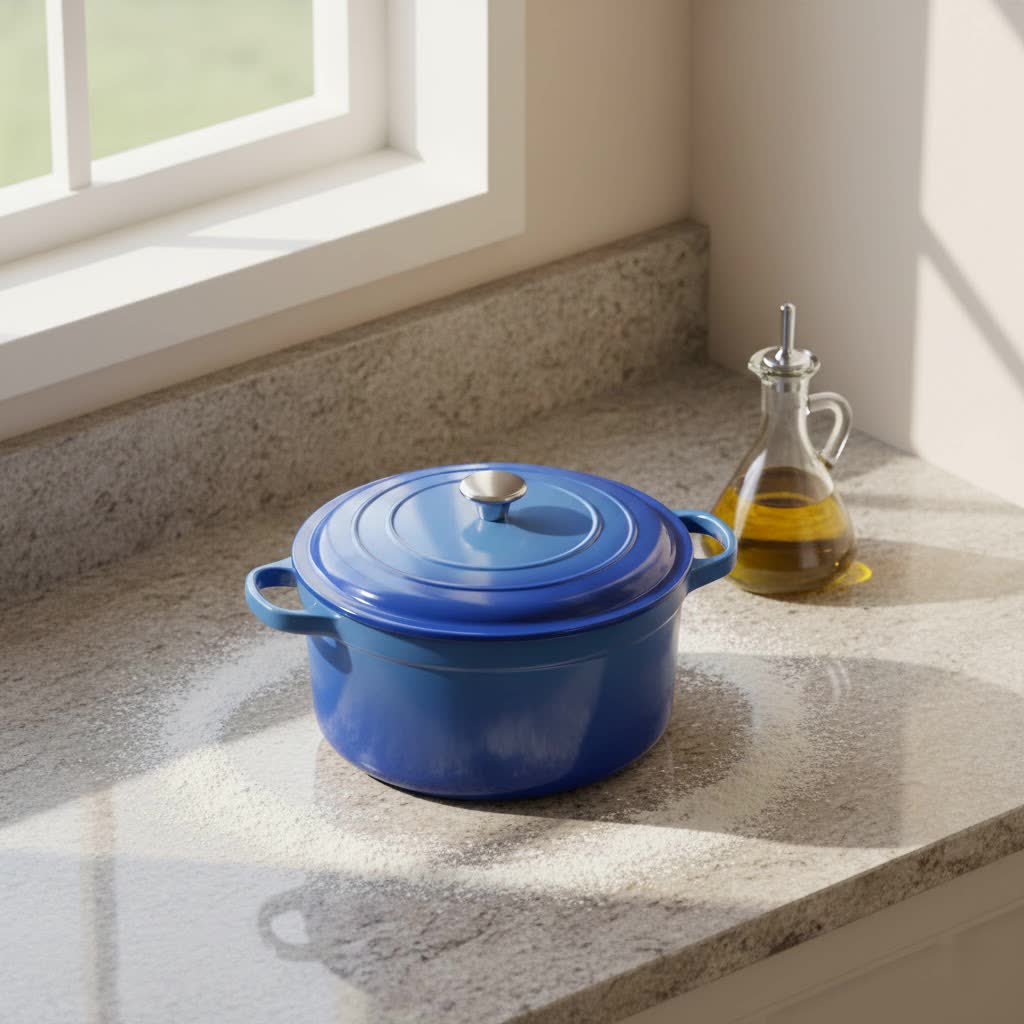
At its core, a seasoned cast iron Dutch oven is a heavy, thick-walled cooking pot made entirely from cast iron, designed for long, slow cooking. What sets it apart is its “seasoning” – a protective layer of polymerized oil baked onto the iron surface. This isn’t just about flavor; it’s a fundamental process that creates a natural, easy-release finish, prevents rust, and makes the cookware incredibly durable.
The concept of seasoning cast iron dates back centuries, making these Dutch ovens true kitchen heirlooms. They are often pre-seasoned by manufacturers, meaning they are ready for use right out of the box, though home cooks often add extra layers for optimal performance. The robust nature of cast iron allows it to distribute and retain heat exceptionally well, making it ideal for everything from simmering hearty stews on the stovetop to baking crusty loaves of bread in the oven, or even cooking over an open fire.
Benefits of Using a Seasoned Cast Iron Dutch Oven
- Exceptional Heat Retention: Cast iron holds heat incredibly well, ensuring consistent cooking temperatures and fewer hot spots. This is perfect for searing meats and maintaining a steady simmer.
- Natural Non-Stick Surface: With proper seasoning and care, the surface develops a natural non-stick quality that rivals synthetic coatings, without any of the chemicals.
- Unrivaled Durability: A seasoned cast iron Dutch oven can last for generations, often passed down as family heirlooms. It’s brutally tough and resistant to warping or bending.
- Versatility: These pots are safe for all cooktops, including induction, as well as ovens, broilers, grills, and even campfires, offering ultimate cooking flexibility.
- Enhanced Flavor: Over time, the seasoned surface can subtly impart a richer flavor to your food, particularly with dishes that involve fats and oils.
|
Our Picks for the Best Dutch Oven in 2026
As an Amazon Associate I earn from qualifying purchases.
|
||
| Num | Product | Action |
|---|---|---|
| 1 | HomeVSS 5.5-Quart Enameled Cast Iron Dutch Oven with Lid & Dual Handles – Heavy-Duty for Bread Baking, Braising, Stews, Roasting, Oven & Induction Compatible, Orange |

|
| 2 | Lodge 6 Quart Enameled Cast Iron Dutch Oven with Lid – Dual Handles – Oven Safe up to 500° F or on Stovetop - Use to Marinate, Cook, Bake, Refrigerate and Serve – Burnt Sienna |
|
| 3 | HomeVSS 5.5-Quart Enameled Cast Iron Dutch Oven with Lid & Dual Handles – Heavy-Duty for Bread Baking, Braising, Stews, Roasting, Oven & Induction Compatible, Red |
|
| 4 | HomeVSS 5.5-Quart Enameled Cast Iron Dutch Oven with Lid & Dual Handles – Heavy-Duty for Bread Baking, Braising, Stews, Roasting, Oven & Induction Compatible, Blue |
|
| 5 | Lodge 6 Quart Enameled Cast Iron Dutch Oven with Lid – Dual Handles – Oven Safe up to 500° F or on Stovetop - Use to Marinate, Cook, Bake, Refrigerate and Serve – Cranberry |
|
| 6 | Lodge 6 Quart Enameled Cast Iron Dutch Oven with Lid – Dual Handles – Oven Safe up to 500° F or on Stovetop - Use to Marinate, Cook, Bake, Refrigerate and Serve – Avocado |
|
| 7 | Lodge 6 Quart Enameled Cast Iron Dutch Oven with Lid – Dual Handles, Oven Safe up to 500°F, Stovetop Compatible – Marinate, Cook, Bake, Refrigerate & Serve – Oyster White |
|
| 8 | Lodge 6 Quart Enameled Cast Iron Dutch Oven with Lid – Dual Handles – Oven Safe up to 500° F or on Stovetop - Use to Marinate, Cook, Bake, Refrigerate and Serve – Cornflower Blue |
|
| 9 | Lodge 6 Quart Enameled Cast Iron Dutch Oven with Lid – Dual Handles – Oven Safe up to 500° F or on Stovetop - Use to Marinate, Cook, Bake, Refrigerate and Serve – Blue |
|
| 10 | Lodge 6 Quart Enameled Cast Iron Dutch Oven with Lid – Dual Handles – Oven Safe up to 500° F or on Stovetop - Use to Marinate, Cook, Bake, Refrigerate and Serve – Apricot |
|
Seasoned vs. Enameled Cast Iron Dutch Ovens: Choosing Your Companion
While both seasoned and enameled cast iron Dutch ovens offer excellent cooking capabilities, they have distinct characteristics. Enameled cast iron features a vitreous glaze baked onto the cast iron, providing a smooth, non-reactive, and often colorful surface that doesn’t require seasoning. Seasoned cast iron, on the other hand, is bare iron that relies on its polymerized oil layer for protection and performance.
Detailed Comparison Table
| Feature | Seasoned Cast Iron (Bare) | Enameled Cast Iron |
|---|---|---|
| Surface | Black, matte, porous | Smooth, glossy, non-porous |
| Seasoning | Required for non-stick & protection | Not required |
| Maintenance | Requires oiling after cleaning | Easier to clean, less prone to rust |
| Acidity | Avoid highly acidic foods | Can cook acidic foods without issue |
| Durability | Extremely durable, can be restored | Durable, but enamel can chip/crack |
| Weight | Heavy | Heavy |
| Heat Retention | Excellent | Excellent |
| Appearance | Rustic, traditional | Vibrant colors, modern |
| Price | Generally more affordable | Generally more expensive |
Why choose seasoned cast iron? For many home cooks and outdoor enthusiasts, the appeal of seasoned cast iron lies in its authentic feel, its ability to develop a truly unique character over time, and its ruggedness for outdoor use. If you enjoy the hands-on aspect of maintaining your cookware and appreciate the superior searing capabilities of bare iron, seasoned cast iron is an excellent choice.
Choosing Your Seasoned Cast Iron Dutch Oven: Key Factors
Selecting the right seasoned cast iron Dutch oven depends on your cooking style, family size, and preferences. Here are the crucial factors to consider:
- Size and Capacity: Dutch ovens typically range from 2-quart to over 10-quart capacities. A 5-7 quart Dutch oven is a versatile size for most families, suitable for soups, stews, roasts, and baking bread. Consider your typical meal size and oven space.
- Weight and Handles: Cast iron is inherently heavy. Look for sturdy, wide loop handles that are comfortable to grip, even when wearing oven mitts, as you’ll be moving a substantial amount of weight, especially when the pot is full.
- Lid Design: A tight-fitting lid is essential to trap moisture and heat, which is crucial for braising and slow cooking. Some lids feature self-basting nubs or rings on the underside to funnel condensation back onto the food, ensuring moist results.
- Brand Reputation: Trusted brands known for quality cast iron are a safe bet. Lodge is widely recognized for its durable, affordable, and pre-seasoned bare cast iron products [2, 1 (The Spruce Eats)]. Other reputable brands include Finex and Smithey for higher-end options, and Camp Chef for outdoor-focused models.
Top Seasoned Cast Iron Dutch Ovens
While many popular Dutch ovens are enameled, several brands offer excellent seasoned cast iron options that live up to the legacy of this classic cookware.
-
Lodge Cast Iron Dutch Oven:
- Overview: Lodge is arguably the most well-known American manufacturer of cast iron cookware, famous for its durable and affordable seasoned products. Their Dutch ovens come pre-seasoned, making them ready to use immediately.
- Pros: Excellent value, exceptional heat retention, versatile for indoor and outdoor cooking, often features a lid that can double as a skillet [1 (The Spruce Eats)].
- Cons: Can be very heavy; requires consistent seasoning maintenance.
- Ideal for: Everyday cooking, beginners to cast iron, outdoor enthusiasts, budget-conscious buyers.
-
Camp Chef Classic Pre-Seasoned Dutch Oven:
- Overview: Camp Chef specializes in outdoor cooking, and their seasoned cast iron Dutch ovens are built for rugged environments. They are often deeper and designed for use with briquettes on the lid for even top-down heating, common in camp cooking.
- Pros: Highly durable, excellent for outdoor and open-fire cooking, often comes with a bail handle for hanging over a fire, domed lids for better heat circulation.
- Cons: Can be bulky for indoor storage; may require more extensive initial seasoning for optimal non-stick.
- Ideal for: Camping, outdoor cooking, tailgating, those who prioritize durability over aesthetics.
Mastering the Art of Seasoning Your Dutch Oven
Seasoning is the heart and soul of a bare cast iron Dutch oven. It’s not just about applying oil; it’s a chemical process where oil polymerizes, bonding to the iron to create a natural, durable, and non-stick surface. While many Dutch ovens come pre-seasoned, building up additional layers through use and re-seasoning is key to optimal performance.
Initial Seasoning or Re-Seasoning Steps:
- Clean Thoroughly: If it’s a new Dutch oven or you’re re-seasoning a pan with rust or flaking, wash it with hot, soapy water and a stiff brush or scrubber. Rinse completely. For established seasoning, many avoid soap, but for deep cleaning/initial seasoning, it’s fine.
- Dry Completely: This is crucial. Dry the Dutch oven with a towel, then place it on the stovetop over low heat for 5-10 minutes to ensure all moisture has evaporated.
- Apply a Thin Layer of Oil: Apply a very thin, even layer of high smoke point cooking oil (like vegetable oil, canola oil, flaxseed oil, or melted shortening/Crisco) to all surfaces of the Dutch oven – inside, outside, handles, and lid. Use a cloth or paper towel to rub it in.
- Wipe Off Excess: With a clean cloth or paper towel, vigorously wipe away as much oil as possible until the surface appears almost dry. You want a barely visible film; too much oil will result in a sticky surface.
- Bake: Preheat your oven to 400-500°F (200-260°C). Place aluminum foil on the bottom rack to catch any drips. Place the Dutch oven and its lid (if applicable) upside down on the center rack.
- Bake for One Hour: Let it bake for one hour. You may notice some smoke, so ensure adequate ventilation.
- Cool Down: Turn off the oven and allow the Dutch oven to cool completely inside the oven. This allows the seasoning to fully adhere.
- Repeat (Optional but Recommended): For the best results and a stronger seasoning layer, repeat the oiling and baking process 2-3 more times.
> “The best seasoning? Cooking. Each time you cook with oil or fat, you’re adding another layer to the pan.” – Lodge Cast Iron, Manufacturer’s Guide
Cleaning and Caring for Your Seasoned Cast Iron Dutch Oven
Proper care is essential to maintain the seasoning and longevity of your cast iron Dutch oven.
Daily Cleaning
- Cool Down First: Allow the Dutch oven to cool slightly after cooking, but don’t let it get completely cold. This makes food easier to remove.
- Warm Water and Scrubber: Rinse with warm water and scrub with a stiff nylon brush or a pan scraper to remove food residue. For stubborn bits, a chain mail scrubber works wonders.
- Soap is Okay (Generally): Contrary to old myths, modern dish soap is usually mild enough not to strip established seasoning. Use it sparingly if needed, especially for greasy messes.
- Avoid Soaking: Never let your seasoned cast iron Dutch oven soak in water, as this can lead to rust.
- Dry Immediately and Thoroughly: After washing, dry the Dutch oven completely with a towel. Then, place it on low heat on the stovetop for 5-10 minutes to ensure all moisture has evaporated.
- Lightly Oil: Once dry and slightly warm, apply a very thin layer of cooking oil (like vegetable oil) to all surfaces with a paper towel. Wipe off any excess. This protects against rust and reinforces the seasoning.
Troubleshooting Common Concerns
- Rust: If rust appears, scrub the affected area with steel wool, a rust eraser, or a mixture of coarse salt and oil until the rust is gone. Clean, dry thoroughly, and re-season the pan.
- Sticky Surface: Too much oil applied during seasoning or not enough wiping can leave a sticky residue. Scrub with hot water and salt, then dry and re-season with a much thinner layer of oil.
- Flaking Seasoning: This can happen with uneven seasoning or if old seasoning is deteriorating. Gently scrub the flaking areas, clean, dry, and re-season.
Cooking with Your Seasoned Cast Iron Dutch Oven
The versatility of a seasoned cast iron Dutch oven is truly remarkable. Its superior heat characteristics make it perfect for a wide array of cooking techniques.
- Braising and Stewing: The heavy lid and excellent heat retention create an ideal environment for slow-cooked dishes like beef bourguignon, coq au vin, or hearty chili. The even heat ensures tender meat and rich, flavorful sauces.
- Roasting: Roasting chicken, pot roasts, or vegetables in a Dutch oven ensures they cook evenly and retain moisture. The cast iron delivers a beautiful, crispy exterior.
- Baking Bread: Many bakers swear by cast iron Dutch ovens for baking artisan bread, especially sourdough. The enclosed environment simulates a professional baker’s oven, creating a perfect crust and airy crumb.
- Deep Frying: The ability to hold and maintain high, consistent oil temperatures makes a cast iron Dutch oven excellent for deep frying chicken, fish, or French fries.
- Campfire Cooking: Its rugged construction and ability to handle direct flame make it a staple for outdoor cooking, from baking biscuits to simmering beans over a campfire.
Where to Buy Your Seasoned Cast Iron Dutch Oven
You can find seasoned cast iron Dutch ovens at various retailers, both online and in brick-and-mortar stores.
- Online Retailers: Websites like Amazon, Wayfair, and the official sites of brands like Lodge, Finex, and Smithey offer a wide selection, often with customer reviews and competitive pricing.
- Specialty Cookware Stores: These stores can offer expert advice and allow you to physically inspect the weight and feel of different models.
- Outdoor/Camping Stores: For Dutch ovens specifically designed for outdoor use, check stores like REI or dedicated camping equipment suppliers.
When purchasing online, always review product descriptions carefully to ensure you are buying a seasoned (bare) cast iron Dutch oven, not an enameled one, if that’s your preference. Read customer reviews for insights on seasoning quality and durability.
Conclusion
A seasoned cast iron Dutch oven is more than just a pot; it’s an investment in a rich cooking tradition, a testament to durability, and a key to unlocking deeper flavors in your kitchen. Its ability to retain and distribute heat, combined with a naturally evolving non-stick surface, makes it an indispensable tool for everything from slow-cooked comfort food to artisanal bread. While it requires a bit of care with seasoning and cleaning, the rewards – delicious meals, a lifetime of use, and a piece of cookware that improves with every adventure – are truly unparalleled. Embrace the journey of cooking with seasoned cast iron, and you’ll discover a beloved companion that will serve you faithfully for generations.
What culinary masterpieces will you create with your seasoned cast iron Dutch oven?
Frequently Asked Questions
Can I use soap on my seasoned cast iron Dutch oven?
Yes, modern dish soaps are typically mild enough not to strip established seasoning. While some traditionalists avoid it, using a small amount of soap for greasy messes, followed by thorough drying and re-oiling, is generally acceptable to keep your Dutch oven clean and maintained.
How often should I season my Dutch oven?
After initial seasoning (which might be several layers), regular cooking with oil and fats helps maintain and build up the seasoning. You’ll only need to actively re-season with the oven method if you notice dull spots, rust, or food sticking frequently, indicating the seasoning is wearing thin.
What kind of oil is best for seasoning cast iron?
High smoke point oils are ideal for seasoning. Common choices include vegetable oil, canola oil, grapeseed oil, flaxseed oil, and melted solid shortening like Crisco. Flaxseed oil is often cited for creating a very hard, durable seasoning, though it can be more prone to flaking if not applied thinly.
Can I cook acidic foods in a seasoned cast iron Dutch oven?
It’s generally best to avoid cooking highly acidic foods like tomato sauces or wine-based dishes for extended periods in bare seasoned cast iron. Acids can strip the seasoning layer, potentially leading to a metallic taste in your food and rust on the pan. For acidic dishes, enameled cast iron is a better choice.
How do I remove rust from my seasoned cast iron Dutch oven?
To remove rust, scrub the affected areas vigorously with steel wool, a stiff brush, or a mixture of coarse salt and a little oil until the rust is gone. Rinse it thoroughly, dry it completely, and then proceed to re-season the entire Dutch oven to restore its protective layer.
