Step into any well-equipped kitchen, and you’re likely to find a piece of cookware that stands out: the Enameled Cast Iron Dutch Oven. This versatile kitchen workhorse has garnered a loyal following among home cooks and professional chefs alike, cherished for its remarkable ability to transform simple ingredients into extraordinary meals. But what exactly makes this pot so special, and how do you choose the perfect one for your culinary adventures? Whether you’re simmering a hearty stew, baking artisan bread, or braising a succulent roast, understanding the nuances of enameled cast iron will unlock a world of delicious possibilities.
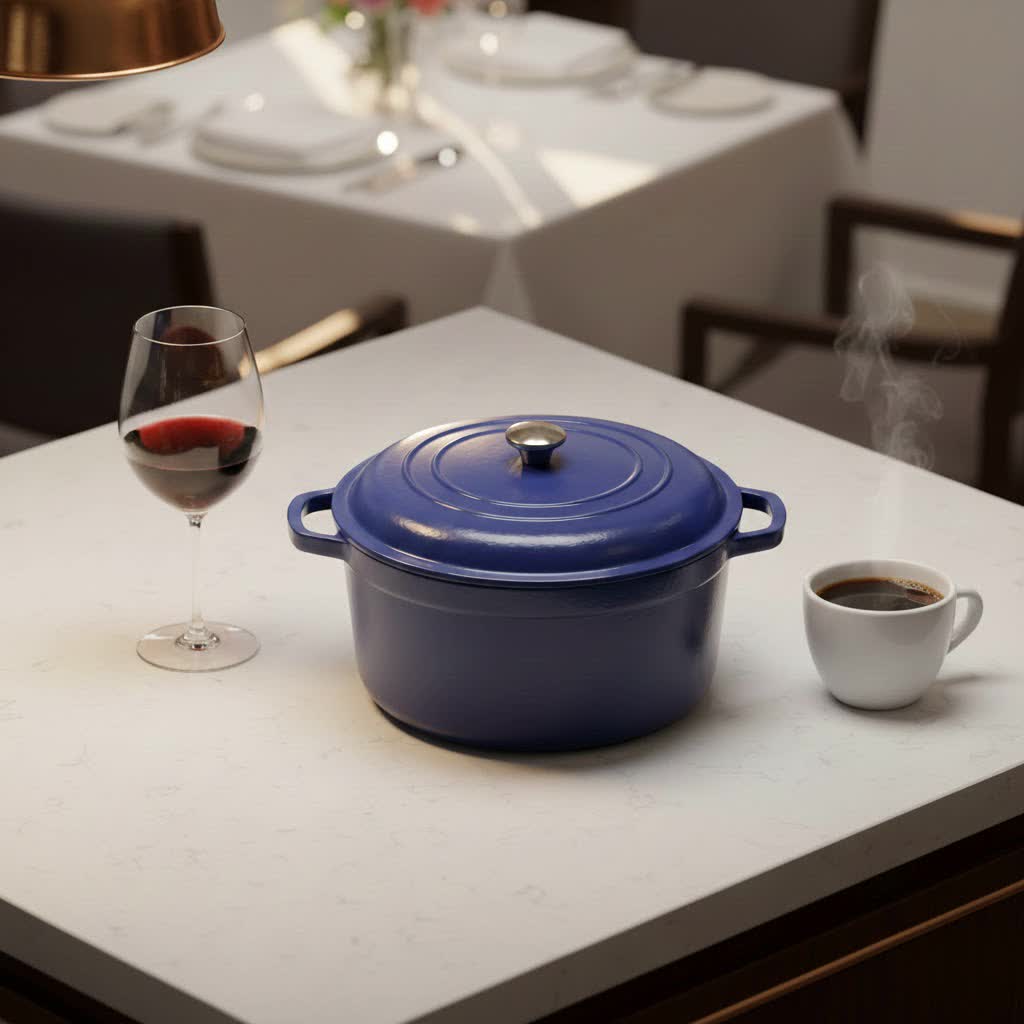
Dutch Oven: A Culinary Cornerstone – The Enameled Cast Iron Advantage
An enameled cast iron Dutch oven is a heavy, thick-walled cooking pot, typically with a tight-fitting lid, crafted from cast iron and coated with multiple layers of porcelain enamel. While the concept of a “Dutch oven” dates back centuries, the enameled version brings modern convenience to a time-tested design, blending the exceptional heat properties of cast iron with the non-reactive and easy-to-clean qualities of glass.
Its robust construction allows for incredible heat retention and even heat distribution, ensuring consistent cooking results from the stovetop to the oven. This makes it ideal for slow cooking, braising, and stewing, where stable temperatures are key to tender, flavorful dishes. Beyond its functional prowess, the enamel coating adds a vibrant aesthetic appeal, available in a spectrum of colors that can brighten any kitchen and transition beautifully from oven to table as a serving dish.
Enameled vs. Traditional Cast Iron: Understanding the Differences
While both enameled and traditional cast iron Dutch ovens share a core material, the enamel coating introduces significant distinctions that influence usage and maintenance. Traditional cast iron requires regular “seasoning”—the process of baking oil onto its surface to create a natural non-stick layer and prevent rust. This seasoning can be stripped by acidic foods, making them less suitable for long simmers of tomato sauces or wine-based braises.
Enameled cast iron, however, eliminates the need for seasoning entirely. Its smooth, non-porous enamel surface is naturally non-reactive, allowing you to cook acidic ingredients without concern for metallic flavors or damage to the pot. This also makes cleanup significantly easier, as food residue is less likely to stick, and the surface can be washed with soap and water without fear of stripping any protective layers. While traditional cast iron offers a rustic charm and superior searing capabilities for some applications, the enameled version provides greater versatility, lower maintenance, and a wider range of culinary applications for the modern kitchen.
Detailed Comparison: Enameled vs. Traditional Cast Iron
|
Our Picks for the Best Dutch Oven in 2026
As an Amazon Associate I earn from qualifying purchases.
|
||
| Num | Product | Action |
|---|---|---|
| 1 | HomeVSS 5.5-Quart Enameled Cast Iron Dutch Oven with Lid & Dual Handles – Heavy-Duty for Bread Baking, Braising, Stews, Roasting, Oven & Induction Compatible, Blue |

|
| 2 | Lodge 6 Quart Enameled Cast Iron Dutch Oven with Lid – Dual Handles – Oven Safe up to 500° F or on Stovetop - Use to Marinate, Cook, Bake, Refrigerate and Serve – Avocado |
|
| 3 | HomeVSS 5.5-Quart Enameled Cast Iron Dutch Oven with Lid & Dual Handles – Heavy-Duty for Bread Baking, Braising, Stews, Roasting, Oven & Induction Compatible, Red |
|
| 4 | Lodge 6 Quart Enameled Cast Iron Dutch Oven with Lid – Dual Handles – Oven Safe up to 500° F or on Stovetop - Use to Marinate, Cook, Bake, Refrigerate and Serve – Apricot |
|
| 5 | Lodge 6 Quart Enameled Cast Iron Dutch Oven with Lid – Dual Handles, Oven Safe up to 500°F, Stovetop Compatible – Marinate, Cook, Bake, Refrigerate & Serve – Oyster White |
|
| 6 | HomeVSS 5.5-Quart Enameled Cast Iron Dutch Oven with Lid & Dual Handles – Heavy-Duty for Bread Baking, Braising, Stews, Roasting, Oven & Induction Compatible, Orange |
|
| 7 | Lodge 6 Quart Enameled Cast Iron Dutch Oven with Lid – Dual Handles – Oven Safe up to 500° F or on Stovetop - Use to Marinate, Cook, Bake, Refrigerate and Serve – Blue |
|
| 8 | Lodge 6 Quart Enameled Cast Iron Dutch Oven with Lid – Dual Handles – Oven Safe up to 500° F or on Stovetop - Use to Marinate, Cook, Bake, Refrigerate and Serve – Cranberry |
|
| 9 | Lodge 6 Quart Enameled Cast Iron Dutch Oven with Lid – Dual Handles – Oven Safe up to 500° F or on Stovetop - Use to Marinate, Cook, Bake, Refrigerate and Serve – Burnt Sienna |
|
| 10 | Lodge 6 Quart Enameled Cast Iron Dutch Oven with Lid – Dual Handles – Oven Safe up to 500° F or on Stovetop - Use to Marinate, Cook, Bake, Refrigerate and Serve – Cornflower Blue |
|
| Feature | Enameled Cast Iron | Traditional Cast Iron |
|---|---|---|
| Seasoning | Not required | Required regularly |
| Reactivity | Non-reactive (safe for acids) | Reactive (avoid acidic foods) |
| Cleaning | Easy with soap and water | Requires careful cleaning, no harsh soap |
| Maintenance | Low | High (seasoning, rust prevention) |
| **Heat Ret.*** | Excellent | Excellent |
| Heat Dist. | Very good | Very good |
| Non-stick | Moderately | Develops with proper seasoning |
| Aesthetics | Wide range of colors, glossy | Black, rustic, matte |
| Durability | High, but enamel can chip | Extremely high, can rust |
| Weight | Heavy | Heavy |
Heat Retention: Both materials excel here due to their density and thermal mass.
Choosing Your Perfect Enameled Cast Iron Dutch Oven: Essential Factors
Selecting the right enameled cast iron Dutch oven involves considering several factors to match your cooking style, family size, and aesthetic preferences.
Size and Capacity
The capacity of a Dutch oven, measured in quarts, dictates how much food it can hold.
- 2-3 Quarts: Ideal for cooking for one or two people, preparing side dishes, sauces, or small batches.
- 5-7 Quarts: The most popular and versatile size, suitable for feeding 3-6 people. It can accommodate most stews, roasts, and even a whole chicken. Many consider the 6-quart size to be the sweet spot for everyday cooking.
- 7+ Quarts: Best for large families, entertaining, or preparing big batches of soups, stocks, or chili.
Shape
Most Dutch ovens are round, which fits well on standard stovetop burners. However, oval shapes are also available.
- Round: Excellent for even cooking on stovetops and versatile for most oven tasks.
- Oval: Better for roasting larger cuts of meat, like a whole chicken or leg of lamb, as their elongated shape accommodates them better. Consider if an oval pot will fit comfortably on your burner or in your oven.
Interior Color
The interior enamel comes in two primary options:
- Light-colored (e.g., tan or white): Often found in brands like Le Creuset, this allows you to easily monitor the browning of food and the development of fond (the delicious browned bits at the bottom of the pan). However, it can show stains and “crazing” (fine lines or cracks) more noticeably over time, though these usually don’t affect performance.
- Dark-colored (e.g., black matte): Common in Staub Dutch ovens, these interiors are excellent at hiding scuffs, scratches, and stains, maintaining a “newer” appearance longer. Some dark interiors are designed to develop a natural seasoning with use, further enhancing their non-stick properties.
Lid Design
A tight-fitting lid is crucial for trapping moisture and heat, which is essential for braising and slow cooking. Some lids feature special designs:
- Self-Basting Lids: Lids with spikes or concentric rings on the underside (like those found in Staub and some Crock-Pot Artisan models) are designed to collect condensation and drip it back onto the food, keeping it exceptionally moist.
- Knobs: Ensure the lid knob is oven-safe to the temperatures you typically cook at. Stainless steel knobs offer higher heat resistance than some plastic or phenolic options.
Handles and Knobs
Enameled cast iron is heavy, especially when full. Look for wide, sturdy handles that offer a comfortable and secure grip, even when wearing oven mitts. Some brands are known for their lighter weight, which can make handling easier.
Brand and Budget
The market offers a range of options from premium to budget-friendly.
- Premium Brands (e.g., Le Creuset, Staub): Known for exceptional quality, durability, and craftsmanship, often becoming heirloom pieces. They come with a higher price tag. Le Creuset is often noted for being lighter than other brands of similar size due to purer iron ore.
- Mid-Range (e.g., Lodge): Offers excellent performance and durability at a more accessible price point, making them a fantastic value for everyday cooks.
- Budget-Friendly (e.g., Amazon Basics, Tramontina, Crock-Pot Artisan): Can provide good functionality and aesthetics without a significant investment. However, some may exhibit minor chipping or less ergonomic features over time.
Top Enameled Cast Iron Dutch Ovens: Our Recommendations
Choosing from the myriad of options can be daunting, but a few brands consistently stand out for their quality and performance.
Le Creuset Enameled Cast Iron Dutch Oven
Renowned globally, Le Creuset is often the gold standard. These Dutch ovens are prized for their vibrant color range, elegant design, and exceptional durability. They are relatively lighter than some other premium brands, making them easier to handle. The light-colored interior enamel is perfect for monitoring browning, and their performance in heat retention and distribution is unparalleled, making them true kitchen heirlooms.
Staub Enameled Cast Iron Cocotte
Staub’s cocottes (their term for Dutch ovens) are favored by serious cooks for their self-basting lids, which feature tiny spikes on the interior to continuously baste food, leading to incredibly moist and flavorful results. Staub typically features a black matte interior, which helps in developing a rich fond and hides signs of wear effectively. Their more subdued, classic color palette and robust build exude professional-grade quality.
Lodge Enameled Cast Iron Dutch Oven
For those seeking high quality without the premium price tag, Lodge offers an outstanding option. As a brand synonymous with cast iron, Lodge’s enameled Dutch ovens deliver excellent heat retention and even cooking. They are a workhorse in the kitchen, praised for their robust construction and ability to handle diverse cooking tasks, offering impressive value that rivals more expensive competitors.
Budget-Friendly Alternatives
Several brands provide good performance for a lower cost:
- Amazon Basics Enameled Cast Iron Dutch Oven: A surprisingly durable option that performs well for its price, often praised for its consistent heat retention and long-lasting enamel coating.
- Tramontina Enameled Cast Iron Dutch Oven: A solid, no-frills choice that performs admirably for searing and braising, often featuring a wide metal knob and good heat distribution.
- Crock-Pot Artisan Enameled Cast-Iron Dutch Oven: This budget pick often features oversized handles and a self-basting lid, performing well for slow cooks and roasts.
> “An enameled cast iron Dutch oven isn’t just a pot; it’s an investment in countless delicious meals and cherished kitchen memories. The right one will serve you faithfully for decades.” – Admin, Reviewraudo.com
Mastering Your Enameled Cast Iron Dutch Oven: Usage and Care
Proper use and maintenance are crucial to maximizing the lifespan and performance of your enameled cast iron Dutch oven.
First Use and Seasoning (Rim Only)
Before its inaugural use, wash your Dutch oven thoroughly with warm, soapy water, rinse, and dry completely. While the enameled interior doesn’t need seasoning, the exposed cast iron rim around the top edge and the lid’s rim can benefit from a light “seasoning” to prevent rust. Simply rub a thin layer of neutral cooking oil (like canola or grapeseed) onto these exposed edges with a paper towel.
Everyday Cooking Tips
- Medium Heat is Key: Enameled cast iron excels at retaining and distributing heat. High heat is rarely necessary and can potentially damage the enamel over time. Most cooking, even searing, can be achieved efficiently on medium heat.
- Use Proper Utensils: To prevent scratching or chipping the enamel, always use wooden, silicone, or nylon utensils. Avoid metal spatulas or spoons that can mar the surface.
- Cook with Liquid: While versatile, enameled cast iron is best suited for recipes involving some liquid (braising, stewing, soups) rather than completely dry cooking for extended periods.
Cleaning & Maintenance
Caring for your enameled Dutch oven is straightforward, but a few rules ensure its longevity:
- Cool Completely Before Washing: Never plunge a hot Dutch oven into cold water. Thermal shock can cause the enamel to crack or craze. Allow it to cool to room temperature naturally.
- Gentle Cleaning: Use warm water, a mild dish soap, and a soft sponge or non-abrasive brush. For stubborn food residue, fill the pot with warm, soapy water and let it soak for 15-20 minutes, then scrub gently.
- Baking Soda for Stains: For burnt-on food or discoloration, a paste of baking soda and water can be effective. Apply the paste, let it sit for a bit, then scrub gently. You can also boil water with a couple of tablespoons of baking soda in the pot for a few minutes to loosen stubborn bits.
- Avoid Harsh Abrasives: Steer clear of steel wool, abrasive scouring pads, or harsh chemical cleaners like bleach, as these can damage the enamel surface.
- No Dishwasher Recommended: While some manufacturers claim their products are dishwasher-safe, hand washing is generally recommended to preserve the enamel’s finish and prolong the life of your Dutch oven.
- Dry Completely: After washing, always dry your Dutch oven immediately and thoroughly with a clean cloth, especially around any exposed cast iron edges, to prevent rust.
Storage
Store your Dutch oven in a dry place. To protect the enamel from chips, consider placing a pot protector or a kitchen towel between the pot and its lid, especially if stacking other cookware on top.
Unleashing Culinary Creativity: Recipes for Your Dutch Oven
The enameled cast iron Dutch oven is a true kitchen chameleon, capable of mastering a vast array of dishes.
- Stews and Braises: Its unparalleled heat retention creates the perfect environment for slow-cooked meats and vegetables, resulting in fork-tender texture and deeply developed flavors. Think classic beef bourguignon, coq au vin, or rich lamb stew.
- Roasts: From a succulent whole chicken to a tender pork shoulder, the Dutch oven can achieve beautiful browning on the stovetop before transitioning to the oven for a perfectly roasted finish.
- Baking Bread: Many home bakers swear by their Dutch ovens for achieving a perfectly crisp crust and airy interior in artisan loaves. The enclosed environment mimics a professional bakery oven.
- Soups and Sauces: Simmering soups, chilis, and pasta sauces for extended periods is where the enameled Dutch oven truly shines, allowing flavors to meld beautifully without concern for reactivity.
- Deep Frying: The even heat distribution and retention also make it suitable for deep frying, maintaining a consistent oil temperature for crispy results.
Where to Buy Your Enameled Cast Iron Dutch Oven
Enameled cast iron Dutch ovens are widely available, both online and in physical stores.
- Specialty Kitchen Stores: Stores like Williams Sonoma, Sur La Table, or local gourmet kitchen shops often carry a selection of premium brands, allowing you to see and feel the product before purchasing.
- Department Stores: Larger department stores often have kitchenware sections featuring popular brands like Le Creuset, Lodge, and Staub.
- Online Retailers: Websites like Amazon, Wayfair, and the official brand websites (Le Creuset, Staub, Lodge) offer the widest selection, often with competitive pricing and detailed customer reviews.
When buying online, pay close attention to product specifications, customer reviews, and return policies. Look for reputable sellers to ensure you receive an authentic, high-quality product.
Conclusion
The enameled cast iron Dutch oven stands as a testament to timeless design and modern practicality, offering an unmatched blend of durability, performance, and aesthetic appeal. From its superior heat retention to its easy-to-clean, non-reactive surface, it simplifies complex cooking while broadening your culinary horizons. Whether you’re a seasoned chef or a budding home cook, investing in a quality enameled cast iron Dutch oven is a step towards a more enjoyable and flavorful cooking journey. It’s a piece of cookware that promises to be a constant companion, helping you create memorable meals for years to come.
What delicious creation will you unveil from your enameled cast iron Dutch oven first?
Frequently Asked Questions
What is the ideal size for a first-time enameled cast iron Dutch oven owner?
For most households and culinary tasks, a 5-to 7-quart round enameled cast iron Dutch oven is considered the most versatile. This size is large enough to prepare meals for 3-6 people, including roasts, stews, and soups, yet still manageable for everyday cooking.
Can I use metal utensils in my enameled cast iron Dutch oven?
No, it is highly recommended to avoid metal utensils as they can scratch or chip the enamel coating. Always opt for wooden, silicone, or heat-resistant nylon tools to protect the surface and prolong the lifespan of your Dutch oven.
Is enameled cast iron Dutch oven oven-safe?
Yes, most enameled cast iron Dutch ovens are oven-safe. However, always check the manufacturer’s specific instructions for the maximum temperature rating, as this can vary, especially depending on the material of the lid knob. Many are safe up to 500°F (260°C).
How do I remove stubborn stains or burnt food from my enameled Dutch oven?
For stubborn stains, let the pot cool, then soak it in warm, soapy water for 15-20 minutes. If food remains stuck, you can boil water with 2 tablespoons of baking soda in the pot for 5 minutes, or create a paste with baking soda and water to gently scrub the affected area. Avoid abrasive scrubbers.
Why is my enameled Dutch oven getting tiny cracks (crazing) on the interior?
Crazing refers to fine, hairline cracks in the enamel, often caused by thermal shock or repeated heating and cooling cycles. While it can be disheartening to see, crazing is typically cosmetic and does not affect the cooking performance or safety of your Dutch oven. To minimize it, always allow your pot to cool completely before washing.
