Have you ever wondered about that versatile, heavy-duty pot that seems to do it all in the kitchen? From simmering the richest stews to baking artisan bread with a perfect crust, the Dutch oven is a culinary cornerstone. More than just a pot, it’s a time-honored piece of cookware known for its exceptional heat retention and ability to transform simple ingredients into extraordinary meals. This comprehensive guide will help you navigate the world of Dutch Oven Cookware, ensuring you select the right one for your cooking needs, master its use, and keep it in pristine condition for generations to come.
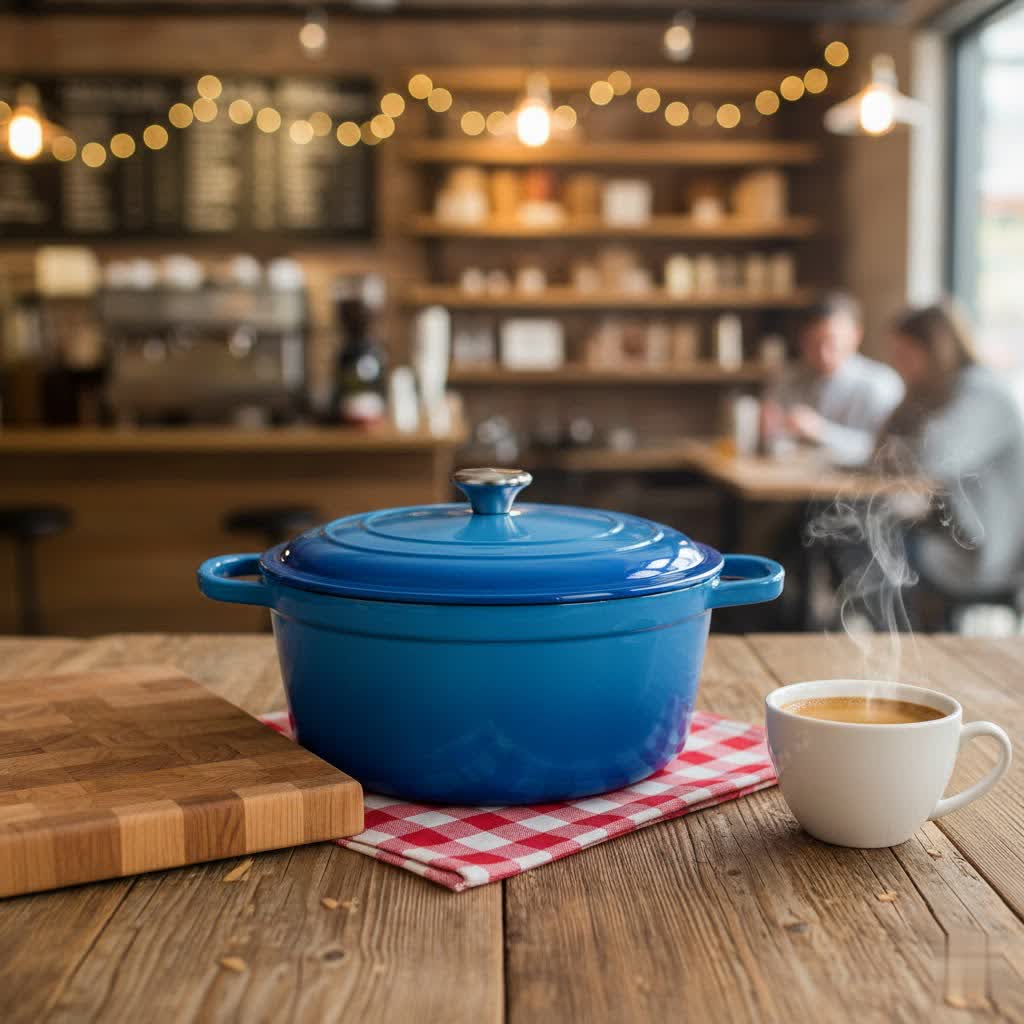
Dutch Oven Cookware: What It Is and Why Every Kitchen Needs One
A Dutch oven is fundamentally a thick-walled cooking pot with a tight-fitting lid, designed for long, slow cooking processes that lock in moisture and flavor. While historically crafted from bare cast iron and often used over open flames, modern versions embrace various materials and finishes, bringing both traditional utility and contemporary aesthetics to your culinary space.
The enduring appeal of Dutch oven cookware lies in its remarkable versatility. It excels at a multitude of cooking tasks:
- Slow Cooking and Braising: Its ability to maintain consistent, even heat is unparalleled, making tough cuts of meat incredibly tender and developing deep flavors in stews and chili.
- Searing and Sautéing: The heavy material gets incredibly hot and retains that heat, creating a perfect crust on meats and vegetables before simmering.
- Baking: From rustic no-knead bread to casseroles and even desserts, a Dutch oven acts like a miniature oven, providing even heat and a steamy environment crucial for achieving desired textures.
- Frying: Its superior heat retention keeps oil temperatures steady, ideal for crispy fried chicken or perfectly golden donuts.
- Roasting: Whether a whole chicken or a succulent pot roast, the tight lid helps circulate moisture, ensuring juicy results.
Owning a Dutch oven means having a single, dependable vessel that can replace several other specialized pots, proving itself a true kitchen workhorse.
Types of Dutch Ovens: Selecting the Ideal Material for Your Cooking Style
The material of your Dutch oven significantly impacts its performance, maintenance, and overall cooking experience. Understanding the differences is key to making an informed choice.
Cast Iron (Bare/Seasoned)
The traditional choice, bare cast iron Dutch ovens are celebrated for their raw power and durability. They are essentially thick iron pots that require a process called “seasoning”—baking layers of oil onto the surface—to create a natural non-stick coating and prevent rust.
- Advantages: Unrivaled heat retention and even distribution, incredibly durable, can withstand extremely high temperatures (perfect for campfires), and with proper care, can last for centuries. Many home cooks swear by the unique flavor a well-seasoned cast iron pot imparts.
- Considerations: Heavy weight, requires specific seasoning and maintenance, can react with acidic foods (like tomatoes), and may transfer metallic flavors if not well-seasoned.
|
Our Picks for the Best Dutch Oven in 2026
As an Amazon Associate I earn from qualifying purchases.
|
||
| Num | Product | Action |
|---|---|---|
| 1 | HomeVSS 5.5-Quart Enameled Cast Iron Dutch Oven with Lid & Dual Handles – Heavy-Duty for Bread Baking, Braising, Stews, Roasting, Oven & Induction Compatible, Red |

|
| 2 | Lodge 6 Quart Enameled Cast Iron Dutch Oven with Lid – Dual Handles – Oven Safe up to 500° F or on Stovetop - Use to Marinate, Cook, Bake, Refrigerate and Serve – Cranberry |
|
| 3 | Lodge 6 Quart Enameled Cast Iron Dutch Oven with Lid – Dual Handles – Oven Safe up to 500° F or on Stovetop - Use to Marinate, Cook, Bake, Refrigerate and Serve – Cornflower Blue |
|
| 4 | Lodge 6 Quart Enameled Cast Iron Dutch Oven with Lid – Dual Handles, Oven Safe up to 500°F, Stovetop Compatible – Marinate, Cook, Bake, Refrigerate & Serve – Oyster White |
|
| 5 | HomeVSS 5.5-Quart Enameled Cast Iron Dutch Oven with Lid & Dual Handles – Heavy-Duty for Bread Baking, Braising, Stews, Roasting, Oven & Induction Compatible, Orange |
|
| 6 | Lodge 6 Quart Enameled Cast Iron Dutch Oven with Lid – Dual Handles – Oven Safe up to 500° F or on Stovetop - Use to Marinate, Cook, Bake, Refrigerate and Serve – Apricot |
|
| 7 | Lodge 6 Quart Enameled Cast Iron Dutch Oven with Lid – Dual Handles – Oven Safe up to 500° F or on Stovetop - Use to Marinate, Cook, Bake, Refrigerate and Serve – Blue |
|
| 8 | Lodge 6 Quart Enameled Cast Iron Dutch Oven with Lid – Dual Handles – Oven Safe up to 500° F or on Stovetop - Use to Marinate, Cook, Bake, Refrigerate and Serve – Burnt Sienna |
|
| 9 | HomeVSS 5.5-Quart Enameled Cast Iron Dutch Oven with Lid & Dual Handles – Heavy-Duty for Bread Baking, Braising, Stews, Roasting, Oven & Induction Compatible, Blue |
|
| 10 | Lodge 6 Quart Enameled Cast Iron Dutch Oven with Lid – Dual Handles – Oven Safe up to 500° F or on Stovetop - Use to Marinate, Cook, Bake, Refrigerate and Serve – Avocado |
|
Enameled Cast Iron
This type combines the benefits of cast iron with a protective, colorful glass-like enamel coating. It’s often the most popular choice for modern kitchens due to its ease of use and aesthetic appeal.
- Advantages: Excellent heat retention and distribution, non-reactive surface (safe for all foods, including acidic ones), easy to clean (no seasoning required on the cooking surface), available in a vast array of colors to match any kitchen decor, and generally dishwasher safe (though hand-washing is often recommended for longevity).
- Considerations: Still quite heavy, typically more expensive than bare cast iron, and the enamel can chip if dropped or subjected to harsh metal utensils.
Aluminum (Cast Aluminum)
While less traditional, cast aluminum Dutch ovens offer a lighter alternative, often with non-stick coatings.
- Advantages: Significantly lighter than cast iron, heats up quickly, good heat conduction, and usually very easy to clean.
- Considerations: May not retain heat as effectively or for as long as cast iron, potentially leading to less even slow cooking. The lighter lid might not seal as tightly, affecting moisture retention.
Ceramic
Ceramic Dutch ovens, sometimes fully ceramic or ceramic-coated, provide another lightweight option with good heat resistance.
- Advantages: Much lighter than cast iron, often non-toxic, and great for specific tasks like baking bread or gentle simmering. They can often be preheated empty without risk of cracking.
- Considerations: Can be more fragile and prone to breaking if dropped compared to cast iron. Heat retention might vary based on construction.
Detailed Comparison: Dutch Oven Materials at a Glance
Choosing between the different materials can be daunting. This table offers a quick comparison to highlight their key characteristics:
| Feature | Cast Iron (Bare) | Enameled Cast Iron | Aluminum (Cast) | Ceramic |
|---|---|---|---|---|
| Heat Retention | Excellent | Excellent | Good | Good |
| Durability | Very High (with seasoning) | High | Medium | Medium (can be fragile) |
| Cleaning | Specialized (no soap often) | Easy (soap-friendly) | Easy | Easy |
| Weight | Heavy | Heavy | Light | Light |
| Price | Medium | High | Low to Medium | Medium to High |
| Reactivity | Reactive with acids | Non-reactive | Non-reactive | Non-reactive |
| Maintenance | Regular seasoning required | Minimal (edges may need oil) | Minimal | Minimal |
How to Choose Your Perfect Dutch Oven Cookware: Essential Factors
Finding the ideal Dutch oven involves more than just picking a color; it’s about aligning its features with your cooking habits and kitchen space.
Size and Capacity
The size of your Dutch oven, typically measured in quarts or liters, is crucial. A common guideline is to estimate approximately one liter (or quart) per serving.
- 3-4 Quarts: Ideal for smaller households (1-2 people), side dishes, or baking smaller loaves of bread.
- 5-6 Quarts: Often considered the “sweet spot” for most home cooks. This versatile size comfortably feeds 3-5 people, handles most soups, stews, and a medium-sized roast.
- 7-8+ Quarts: Best for larger families, entertaining, batch cooking, or preparing big roasts and whole poultry. Remember, larger pots are significantly heavier.
Shape
Dutch ovens typically come in two main shapes:
- Round: The most common and versatile, fitting perfectly on standard stovetop burners for even heating. Excellent for soups, stews, and general cooking.
- Oval: Designed for roasting longer cuts of meat like pork loin or whole chickens. They fit well in most ovens but might not sit as evenly on round stovetop burners.
Lid Design
A tight-fitting lid is paramount for trapping moisture and flavors, crucial for slow-cooked dishes. Some lids are domed, while others are flatter. Some premium brands like Staub feature self-basting lids with small spikes on the underside that collect condensation and drip it back onto the food, ensuring superior moisture. Look for oven-safe knobs if you plan to transfer your pot from stovetop to oven.
Handles
Given the weight of Dutch ovens, especially when full, sturdy and roomy handles are a must. They should be large enough to comfortably grip, even when wearing thick oven mitts.
Interior Color
Enameled Dutch ovens come with either light (often cream or white) or dark interiors.
- Light Interiors: (e.g., Le Creuset) Make it easier to monitor browning and assess fond development at the bottom of the pot.
- Dark Interiors: (e.g., Staub) Can hide stains better but may make it slightly harder to see the true color of your food while browning.
Budget
Dutch oven cookware ranges widely in price. While heritage brands like Le Creuset and Staub are a significant investment, they are known for exceptional quality, durability, and often become cherished family heirlooms. More budget-friendly options, such as those from Lodge, offer excellent performance and durability without the hefty price tag.
Top-Rated Dutch Oven Brands and Product Picks
The market offers a fantastic selection of Dutch ovens, catering to various budgets and preferences. Here are some of the most highly regarded brands:
- Le Creuset: A premium French brand, iconic for its vibrant enameled cast iron. Le Creuset Dutch ovens are known for their relatively lighter weight (for cast iron), wide color palette, light-colored interiors, and excellent heat performance. Their 5.5-Quart Round Dutch Oven is a perennial favorite, often passed down through generations.
- Staub: Another top-tier French brand, Staub is renowned for its robust enameled cast iron and unique design features. Their Dutch ovens (often called cocottes) feature a self-basting lid with spikes that create a rain-effect for exceptionally moist cooking. The 5.5-Quart Round Cocotte is a popular choice, known for its deep, even searing capabilities and rich, uniform colors.
- Lodge: An American classic, Lodge offers high-quality, durable Dutch ovens at a more accessible price point. They produce both pre-seasoned bare cast iron and enameled cast iron options. The Lodge Enameled Cast Iron Dutch Oven provides excellent value, while their bare cast iron Double Dutch Oven, with its grill-pan lid, is particularly beloved by bread bakers.
Other commendable brands include Made In, Caraway (known for ceramic-coated aluminum), Great Jones, and Emile Henry (specializing in ceramic options).
Essential Care and Maintenance for Your Dutch Oven Cookware
Proper care ensures your Dutch oven lasts a lifetime, or even longer. Maintenance varies slightly depending on the material.
Seasoning Bare Cast Iron Dutch Ovens
For bare cast iron, seasoning is vital for a non-stick surface and rust prevention.
- Clean: Wash with warm water and a stiff brush. For initial seasoning or rust removal, mild soap can be used, but generally avoid soap for routine cleaning to protect the seasoning.
- Dry Thoroughly: Heat the Dutch oven over low heat on the stovetop or in a warm oven for a few minutes to ensure it’s completely dry.
- Oil: Apply a very thin, even layer of high smoke-point oil (like vegetable, canola, or grapeseed oil) to all surfaces, inside and out, using a paper towel or cloth. Wipe off any excess until it looks almost dry.
- Bake: Place the Dutch oven upside down on the middle rack of your oven. Place a baking sheet underneath to catch any drips. Bake at 400-500°F (200-260°C) for one hour.
- Cool: Turn off the oven and let the Dutch oven cool completely inside.
- Repeat: For a truly robust seasoning, repeat steps 3-5 several times.
For daily maintenance, after washing and drying, you can apply a thin layer of oil and heat on the stovetop until it smokes, then cool.
Cleaning All Dutch Ovens (Especially Enameled)
- Cool Down: Always allow your Dutch oven to cool completely before washing, especially enameled models, to prevent thermal shock which can crack the enamel.
- Hand-Wash: Hand-washing with warm, soapy water and a non-abrasive sponge or brush is generally recommended for all Dutch ovens to prolong their life.
- Avoid Harsh Tools: Do not use metal utensils, steel wool, or abrasive scouring pads on enameled surfaces, as these can scratch or chip the coating.
- Drying: Dry immediately and thoroughly. For bare cast iron, you can place it back on a low burner for a few minutes to ensure all moisture evaporates.
- Stubborn Stains: For stuck-on food in enameled Dutch ovens, fill with water and a tablespoon of baking soda, bring to a simmer, then let cool and gently scrape.
Enameled Cast Iron Specifics
While the cooking surface doesn’t need seasoning, the exposed cast iron rim of the pot and lid may benefit from an occasional light oiling to prevent rust. Avoid high heat when cooking with enameled Dutch ovens; medium heat is usually sufficient and helps protect the enamel. Do not put enameled cast iron in the dishwasher, despite some claims; hand-washing is always best.
“A well-cared-for Dutch oven is more than just a tool; it’s a legacy. Treat it right, and it will serve your family for generations, creating countless cherished meals.”
Mastering Your Dutch Oven: Cooking Tips and Recipes
With proper care, your Dutch oven is ready for a world of culinary possibilities. Here are some tips to get you started and popular recipes to try:
General Cooking Tips
- Preheat Gently: Especially for enameled models, allow the pot to preheat gradually on low to medium heat.
- Use Fat: Always use some oil, butter, or liquid when cooking to prevent sticking and build flavor.
- Don’t Overcrowd: Give ingredients space when searing to ensure proper browning.
- Embrace Low and Slow: This is where the Dutch oven truly shines, developing rich, complex flavors.
Popular Recipes to Try
- Hearty Stews and Braises: Classic Beef Stew, Coq au Vin, Lamb Tagine, Osso Buco, or a comforting Chicken and Dumplings. The Dutch oven’s sealed environment ensures tender meat and a flavorful broth.
- Roasts: Roast Chicken with root vegetables, Pot Roast, or a succulent Pork Shoulder. The even heat guarantees juicy results.
- Artisan Bread: No-Knead Bread and Sourdough are incredibly popular in Dutch ovens. The hot, steamy environment mimics a professional bakery oven, creating a beautiful, crispy crust.
- Soups and Chilis: From a robust Chili con Carne to a creamy Tomato Basil Soup, the Dutch oven allows flavors to meld beautifully over time.
- One-Pot Wonders: Pasta bakes, rice pilafs, or a hearty Goulash are all excellent choices for quick and flavorful weeknight meals.
Where to Purchase Your Dutch Oven Cookware
Investing in a Dutch oven is a decision you won’t regret. You can find high-quality Dutch oven cookware at various retailers:
- Specialty Kitchen Stores: These often have a wide selection and knowledgeable staff who can guide your purchase.
- Department Stores: Many offer premium brands like Le Creuset and Staub, often with seasonal sales.
- Online Retailers: Websites like Amazon, Williams Sonoma, Sur La Table, and the official brand websites (Lodge, Le Creuset, Staub) provide extensive options and often competitive pricing. Look out for holiday sales for significant discounts on higher-end models.
Remember to consider warranties, as many reputable brands offer lifetime guarantees, a testament to the durability and quality of their Dutch oven cookware.
Conclusion
The Dutch oven stands as a testament to enduring culinary design—a versatile, durable, and indispensable piece of cookware. Whether you opt for the rugged tradition of bare cast iron or the vibrant elegance of enameled cast iron, this kitchen workhorse will open up a world of delicious possibilities. By understanding its types, selecting the right size and features, and committing to proper care, your Dutch oven will not only elevate your cooking but also become a treasured part of your kitchen’s story for years to come. What culinary adventure will your Dutch oven take you on first?
Frequently Asked Questions
Can I use my Dutch oven on all stovetops, including induction?
Most Dutch ovens, particularly cast iron and enameled cast iron, are compatible with all stovetop types, including induction, electric, gas, and ceramic hobs. Always check the manufacturer’s specifications for your specific model to be certain.
Is a Dutch oven worth the investment?
Absolutely. Due to its exceptional versatility, superior heat retention, and incredible durability, a good quality Dutch oven is considered one of the most valuable investments you can make for your kitchen. It can perform the functions of multiple other pots and pans, justifying its cost over its long lifespan.
How do I prevent food from sticking in my Dutch oven?
For bare cast iron, a well-maintained seasoning layer is crucial. For all types, ensure you use enough cooking fat (oil or butter) and allow the pot to preheat sufficiently before adding food. Avoid excessively high heat, especially with enameled pots, as this can cause sticking and potentially damage the enamel.
Can I put a Dutch oven in the dishwasher?
While some enameled cast iron manufacturers claim dishwasher-safe, it is strongly recommended to hand-wash all Dutch ovens. Dishwasher detergents can be harsh on enamel over time, dulling its finish, and will strip the seasoning from bare cast iron, leading to rust. Hand-washing preserves the integrity and longevity of your cookware.
