Imagine the aroma of a hearty beef stew simmering gently, filling your home with warmth and anticipation. Or perhaps the rich, complex flavors of a slow-braised short rib, so tender it falls off the bone. These culinary dreams are often associated with slow cookers, but an older, more versatile workhorse in the kitchen, the Dutch oven, excels at achieving these very same, deeply flavorful results. Many home cooks wonder about the best way to achieve that perfect slow-cooked meal, often pitting the classic Dutch oven against the modern electric slow cooker, sometimes even encountering the term “Crock-Pot Dutch oven.” This guide will demystify the world of slow cooking with Dutch ovens, clarifying how they perform, how they compare to electric slow cookers, and why this timeless piece of cookware might just be your new favorite for low-and-slow culinary masterpieces.
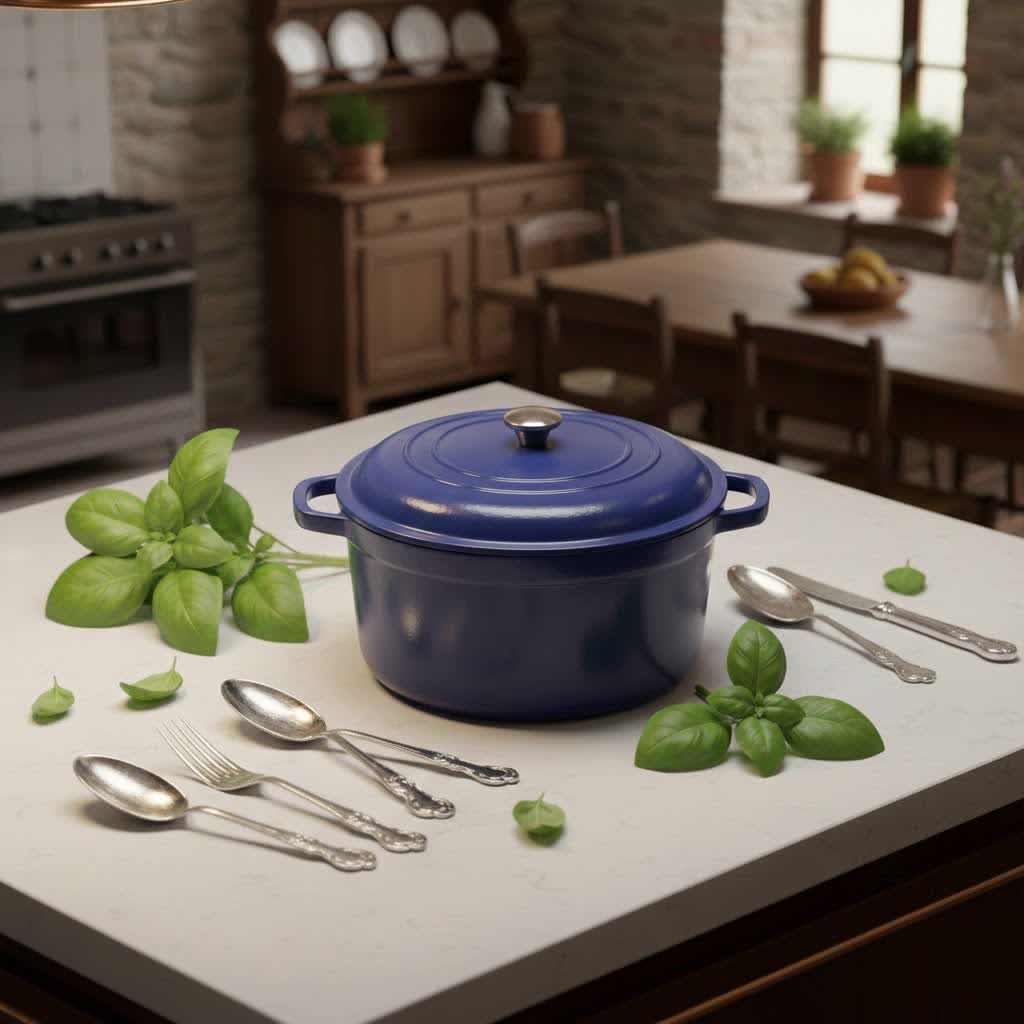
Dutch Oven: What It Is and Why It’s Your Slow Cooking Essential
A Dutch oven is a heavy, thick-walled cooking pot with a tight-fitting lid, traditionally made from cast iron. Its robust construction makes it exceptionally good at retaining and distributing heat evenly, which is crucial for gentle, consistent cooking over extended periods. While electric slow cookers are a relatively modern invention, the Dutch oven has been the original tool for slow cooking for centuries, long before electricity entered our kitchens. From slow-simmered soups and stews to tender braised meats and even baked bread, its ability to maintain a steady, low temperature environment makes it ideal for transforming tough cuts of meat into succulent dishes and allowing flavors to meld beautifully.
The magic of a Dutch oven lies in its thermal properties. Cast iron, especially when enameled, heats up slowly and retains that heat incredibly well, ensuring that your food cooks uniformly without hot spots. The heavy lid seals in moisture, creating a self-basting environment that keeps food from drying out, while also allowing flavors to concentrate and deepen as liquids slowly reduce. This combination of even heat distribution and moisture retention is precisely what makes a Dutch oven an exceptional vessel for any slow-cooked recipe.
Crock-Pot Dutch Oven: Understanding the Brand and the Appliance
The term “Crock-Pot Dutch oven” can sometimes be a source of confusion for home cooks. Historically, “Crock-Pot” became a ubiquitous brand name synonymous with electric slow cookers. These appliances are distinct from traditional Dutch ovens; they are countertop electrical devices designed to cook food at low temperatures over many hours, requiring no external heat source like a stovetop or oven.
However, the brand Crock-Pot, recognizing the enduring appeal and versatility of traditional cookware, also manufactures its own line of Dutch ovens. These “Crock-Pot Dutch ovens” are typically made from enameled cast iron and function exactly like any other conventional Dutch oven. They are used on the stovetop for searing and then transferred to a conventional oven for slow cooking, braising, or baking. They do not have an electric heating element and are not designed to be left unsupervised in the same way an electric slow cooker is. Therefore, when you encounter “Crock-Pot Dutch oven,” it generally refers to a traditional, non-electric Dutch oven produced by the Crock-Pot brand, rather than an electric slow cooker.
Dutch Oven vs. Slow Cooker (Crock-Pot): A Head-to-Head Comparison for Slow Cooking
While both Dutch ovens and electric slow cookers excel at low-and-slow cooking, they achieve it through different mechanisms and offer distinct advantages. Understanding these differences can help you decide which tool is best suited for your cooking style and specific recipes.
Heat Source & Control
- Dutch Oven: A Dutch oven relies on external heat sources – either your stovetop or, more commonly for slow cooking, your conventional oven. This offers a broad range of temperature control, allowing you to sear ingredients at high heat on the stove before moving to a precisely controlled low temperature in the oven. The oven’s consistent, dry heat surrounds the pot, leading to excellent browning and reduction.
- Electric Slow Cooker: These appliances come with their own integrated heating elements, typically located in the base and sides. They usually have two main settings: “low” and “high,” and sometimes a “warm” setting. This “set-it-and-forget-it” functionality is incredibly convenient as it eliminates the need for an oven or stovetop. However, the temperature control is less precise than an oven, and the moist heat environment can differ.
|
Our Picks for the Best Dutch Oven in 2026
As an Amazon Associate I earn from qualifying purchases.
|
||
| Num | Product | Action |
|---|---|---|
| 1 | HomeVSS 5.5-Quart Enameled Cast Iron Dutch Oven with Lid & Dual Handles – Heavy-Duty for Bread Baking, Braising, Stews, Roasting, Oven & Induction Compatible, Red |

|
| 2 | HomeVSS 5.5-Quart Enameled Cast Iron Dutch Oven with Lid & Dual Handles – Heavy-Duty for Bread Baking, Braising, Stews, Roasting, Oven & Induction Compatible, Blue |
|
| 3 | Lodge 6 Quart Enameled Cast Iron Dutch Oven with Lid – Dual Handles – Oven Safe up to 500° F or on Stovetop - Use to Marinate, Cook, Bake, Refrigerate and Serve – Cranberry |
|
| 4 | Lodge 6 Quart Enameled Cast Iron Dutch Oven with Lid – Dual Handles – Oven Safe up to 500° F or on Stovetop - Use to Marinate, Cook, Bake, Refrigerate and Serve – Apricot |
|
| 5 | Lodge 6 Quart Enameled Cast Iron Dutch Oven with Lid – Dual Handles – Oven Safe up to 500° F or on Stovetop - Use to Marinate, Cook, Bake, Refrigerate and Serve – Burnt Sienna |
|
| 6 | HomeVSS 5.5-Quart Enameled Cast Iron Dutch Oven with Lid & Dual Handles – Heavy-Duty for Bread Baking, Braising, Stews, Roasting, Oven & Induction Compatible, Orange |
|
| 7 | Lodge 6 Quart Enameled Cast Iron Dutch Oven with Lid – Dual Handles – Oven Safe up to 500° F or on Stovetop - Use to Marinate, Cook, Bake, Refrigerate and Serve – Blue |
|
| 8 | Lodge 6 Quart Enameled Cast Iron Dutch Oven with Lid – Dual Handles – Oven Safe up to 500° F or on Stovetop - Use to Marinate, Cook, Bake, Refrigerate and Serve – Avocado |
|
| 9 | Lodge 6 Quart Enameled Cast Iron Dutch Oven with Lid – Dual Handles, Oven Safe up to 500°F, Stovetop Compatible – Marinate, Cook, Bake, Refrigerate & Serve – Oyster White |
|
| 10 | Lodge 6 Quart Enameled Cast Iron Dutch Oven with Lid – Dual Handles – Oven Safe up to 500° F or on Stovetop - Use to Marinate, Cook, Bake, Refrigerate and Serve – Cornflower Blue |
|
Versatility & Functionality
- Dutch Oven: The ultimate multitasker, a Dutch oven can handle a vast array of cooking tasks beyond just slow cooking. It’s perfect for searing meats, frying, boiling, making sauces, baking bread, and simmering soups and stews. Its ability to go directly from stovetop to oven to table makes it incredibly versatile.
- Electric Slow Cooker: Primarily designed for low-and-slow cooking, electric slow cookers are less versatile. They cannot sear or fry ingredients, which means additional pans are often needed for browning meat before adding it to the slow cooker for flavor development. Their main strength is gentle, long-duration cooking of stews, chilis, and braises.
Flavor Development & Reduction
- Dutch Oven: Many chefs argue that Dutch ovens produce superior flavor in slow-cooked dishes. The ability to sear ingredients directly in the pot before slow cooking creates rich fond (browned bits) that deglaze into the liquid, adding incredible depth. Moreover, cooking in a conventional oven allows for some natural evaporation, leading to a more concentrated, less watery sauce.
- Electric Slow Cooker: While convenient, the tightly sealed lid and moist heat environment of a slow cooker can sometimes result in dishes with a thinner, less concentrated sauce. Less evaporation occurs, meaning flavors may not deepen as much, and liquids might need to be reduced separately on the stovetop after the slow cooking is complete.
Safety & Convenience
- Dutch Oven: When used for slow cooking in a conventional oven, a Dutch oven is generally safe to leave for several hours. However, it still requires an oven to be running, which some might be hesitant to leave completely unattended for very long durations, especially overnight or when leaving the house for the entire day.
- Electric Slow Cooker: These appliances are designed with safety in mind for prolonged, unattended cooking. Their self-contained heating element and insulation make them ideal for busy schedules, allowing you to start a meal in the morning and return to a fully cooked dinner in the evening. Many models also feature automatic warm settings.
Durability & Maintenance
- Dutch Oven: Especially those made from cast iron (enameled or bare), Dutch ovens are renowned for their exceptional durability. With proper care, they can last for decades, even generations. They require specific cleaning and seasoning routines (for bare cast iron) but are built to withstand heavy use.
- Electric Slow Cooker: Being an electrical appliance, a slow cooker has a finite lifespan, and its components can eventually wear out or fail. While generally robust, they are not as indestructible as a solid piece of cast iron. Cleaning typically involves washing the removable ceramic insert.
Bảng So Sánh Chi Tiết Các Loại Dutch Oven và Electric Slow Cooker
| Tính năng | Dutch Oven (Cast Iron/Enameled) | Electric Slow Cooker (Crock-Pot Type) |
|---|---|---|
| Heat Source | Stovetop & Conventional Oven | Integrated Electric Element |
| Temperature Control | Precise oven settings (e.g., 275-350°F) | Limited (Low, High, Warm) |
| Versatility | Searing, frying, baking, braising, simmering | Primarily slow cooking |
| Flavor Development | Excellent (browning, reduction, concentration) | Good (moist, even cooking) |
| Sauce Consistency | Often richer, more reduced | Can be thinner, less concentrated |
| Unattended Use | Good for several hours in oven | Excellent for all-day/overnight |
| Energy Efficiency | Uses oven/stovetop energy | Very low electricity consumption |
| Durability | Extremely high (decades/generations) | High (electrical components have lifespan) |
| Portability | Heavy, not designed for unplugging and moving | Easy to transport (e.g., potlucks) |
| Cost | Moderate to High | Low to Moderate |
> “For truly deep, nuanced flavors in slow-cooked dishes, the ability to properly sear and then control the evaporation in a Dutch oven often gives it an edge over an electric slow cooker.” – Chef Elena Rodriguez, Culinary Arts Instructor
Choosing Your Slow Cooking Companion: Dutch Oven or Slow Cooker?
The choice between a Dutch oven and an electric slow cooker for your slow cooking needs often comes down to your personal cooking habits, kitchen setup, and desired results. Many avid cooks find value in owning both, utilizing each for its specific strengths.
When to Choose a Dutch Oven for Slow Cooking
- For superior flavor development: If browning and caramelization are crucial for your dish (think beef bourguignon or pot roast), the Dutch oven’s ability to sear directly on the stovetop is invaluable.
- When you want more control: If you prefer to have more precise control over cooking temperatures and want the option to shift between stovetop and oven during the process.
- For versatile cooking: If you want a single piece of cookware that can do almost everything – from slow braises to baking bread, frying chicken, and boiling pasta.
- If you appreciate durability: Investing in a high-quality Dutch oven means owning a piece of cookware that can last a lifetime, often becoming an heirloom.
When to Choose an Electric Slow Cooker
- For ultimate convenience and hands-off cooking: If your schedule demands a “set-it-and-forget-it” solution, allowing you to leave home knowing dinner will be ready when you return.
- For overnight cooking or very long durations: Slow cookers are designed to operate safely for extended periods without constant supervision.
- If kitchen space is limited (for oven use): If your oven is frequently occupied by other dishes or if you prefer to keep your main oven free.
- For potlucks and entertaining: Their portability and “keep warm” function make them excellent for serving food at gatherings.
Mastering Slow Cooking with Your Dutch Oven
Using a Dutch oven for slow cooking in a conventional oven is a straightforward process, but a few key adjustments can elevate your results.
Temperature Conversions: Slow Cooker to Dutch Oven
When adapting recipes written for an electric slow cooker, remember that a Dutch oven in a conventional oven typically cooks food faster and more intensely due to direct, all-around heat.
- Slow Cooker “Low” (6-8 hours): Translate this to approximately 2-3 hours in a Dutch oven at 325°F (160°C).
- Slow Cooker “High” (3-4 hours): Translate this to approximately 1-1.5 hours in a Dutch oven at 375°F (190°C).
Always check for doneness regularly, especially the first time you convert a recipe, as oven calibration can vary.
Tips for Optimal Slow Cooking with a Dutch Oven
- Sear First, Always: Before adding any liquid, take the time to brown your meat on all sides on the stovetop. This creates incredible depth of flavor. Sauté aromatics like onions, garlic, and carrots in the same pot to build an even richer base.
- Use the Right Amount of Liquid: Dutch ovens allow for more evaporation than electric slow cookers. Therefore, you might need slightly less liquid than a slow cooker recipe calls for to achieve a rich, concentrated sauce. Start with about two-thirds of the liquid specified for a slow cooker, and you can always add more if needed.
- Low and Slow in the Oven: After searing on the stovetop, transfer your Dutch oven, with its tight-fitting lid, to a preheated oven. Maintain a consistent low temperature (typically between 275°F and 325°F or 135°C and 160°C) for the specified cooking time. The oven provides even heat from all directions, mimicking the gentle, consistent warmth of a slow cooker.
- Resist the Urge to Peek: Every time you lift the lid, heat escapes, and the cooking process slows down. Try to keep the lid on as much as possible to maintain a stable cooking environment.
- Check for Tenderness: The best indicator of doneness for slow-cooked dishes is tenderness. Meat should be fork-tender and easily shreddable.
Types of Dutch Ovens for Slow Cooking
While the core functionality of a Dutch oven remains the same, the material can influence its performance and maintenance, especially for slow cooking.
- Enameled Cast Iron Dutch Ovens: These are the most popular and often recommended for slow cooking. The enamel coating prevents rusting, eliminates the need for seasoning, and makes cleaning a breeze. It also allows for vibrant colors. Brands like Le Creuset, Staub, and Lodge (and indeed, Crock-Pot Artisan) offer excellent enameled options that retain heat beautifully.
- Bare Cast Iron Dutch Ovens: The classic choice. Bare cast iron is incredibly durable and excels at heat retention. However, it requires regular seasoning to build a non-stick surface and prevent rust. While excellent for slow cooking, the seasoning process can be a deterrent for some.
- Ceramic or Aluminum Dutch Ovens: Lighter alternatives, but often don’t retain heat as effectively as cast iron. While they can be used for slow cooking, they might not achieve the same depth of flavor or consistency in temperature as their cast iron counterparts.
Top Dutch Ovens for Slow Cooking Enthusiasts
Choosing the right Dutch oven depends on your budget and specific needs. Here are examples of types frequently praised by home cooks:
- Le Creuset Round Dutch Oven: Often considered the gold standard, these enameled cast iron Dutch ovens offer exceptional heat retention, even cooking, and stunning aesthetics. They are an investment but are designed to last a lifetime.
- Staub Cocotte: Another premium enameled cast iron option, Staub is known for its heavier lids with self-basting spikes, which ensure moisture drips back into the food, creating incredibly succulent results.
- Lodge Enameled Cast Iron Dutch Oven: A fantastic value option, Lodge provides much of the performance of higher-end brands at a more accessible price point. It’s a great entry into enameled cast iron slow cooking.
- Crock-Pot Artisan Enameled Cast Iron Dutch Oven: Directly addressing our keyword, these Dutch ovens offer a budget-friendly way to experience the benefits of enameled cast iron. They are known for decent performance in searing and braising for their price, making them a solid choice for those exploring Dutch oven cooking.
Care and Maintenance for Longevity
Proper care ensures your Dutch oven remains a reliable companion for years of slow-cooked meals.
- Enameled Cast Iron:
- Cleaning: Wash with warm, soapy water and a non-abrasive sponge. Avoid metal scrubbers that can scratch the enamel. For stubborn stuck-on bits, simmer water in the pot, then scrape with a wooden or silicone utensil.
- Storage: Ensure it’s completely dry before storing to prevent mildew. Store with a paper towel between the pot and lid to allow air circulation and prevent moisture buildup.
- Bare Cast Iron:
- Cleaning: Avoid harsh soaps that can strip seasoning. Scrape off food, rinse with hot water, and use a stiff brush if needed. For stuck-on food, scrub with coarse salt.
- Seasoning: After cleaning, dry thoroughly, then apply a thin layer of cooking oil (like vegetable or grapeseed oil) and wipe off any excess. Bake upside down in a hot oven (around 400-450°F or 200-230°C) for an hour, then let it cool. This process builds a protective, non-stick layer.
- Storage: Store in a dry place to prevent rust.
Conclusion
Whether you call it a “Crock-Pot Dutch oven” or simply a Dutch oven, this timeless piece of cookware is an unparalleled tool for anyone who loves the rich flavors and tender textures of slow-cooked meals. While electric slow cookers offer unmatched convenience for busy lifestyles, the Dutch oven brings a level of versatility, precision, and flavor development that is truly in a class of its own. By understanding its unique advantages and mastering simple techniques like proper searing and oven temperature control, you can unlock a world of culinary possibilities, transforming everyday ingredients into extraordinary dishes. So, are you ready to embrace the art of slow cooking with your Dutch oven and savor the delicious rewards?
Frequently Asked Questions
Can I use a regular Dutch oven as a slow cooker?
Absolutely! A traditional Dutch oven can effectively replace an electric slow cooker. By searing your ingredients on the stovetop and then transferring the pot to a conventional oven set to a low temperature (e.g., 275-325°F), you can achieve the same tender, slow-cooked results with often enhanced flavor due to better browning and reduction.
What temperature should I use for slow cooking in a Dutch oven in the oven?
For most slow cooker recipes, you can set your oven to a low temperature, typically between 275°F (135°C) and 325°F (160°C). A slow cooker recipe calling for “low” (6-8 hours) generally converts to 2-3 hours in a Dutch oven at 325°F, while “high” (3-4 hours) converts to 1-1.5 hours at 375°F.
Is a Dutch oven more energy-efficient than a slow cooker for long cooks?
Generally, electric slow cookers are more energy-efficient for very long cooking durations (e.g., 8+ hours) because their smaller, insulated heating elements consume less power than a large conventional oven. However, for shorter slow cooking times (2-4 hours), the difference in energy consumption might be less significant, and the flavor benefits of a Dutch oven often outweigh this consideration for many cooks.
Can I make “Crock-Pot recipes” in my Dutch oven?
Yes, nearly any recipe designed for an electric slow cooker can be adapted for a Dutch oven. The key is to adjust the cooking time and temperature, typically reducing the cooking time significantly when using your Dutch oven in a conventional oven. Remember to sear ingredients first in your Dutch oven for optimal flavor.
Do Crock-Pot brand Dutch ovens work the same as other Dutch ovens?
Yes, Crock-Pot brand Dutch ovens are traditional, non-electric cookware, usually made from enameled cast iron. They function identically to Dutch ovens from other brands, designed for use on a stovetop and in a conventional oven, providing excellent heat retention for searing, braising, and slow cooking.
