For centuries, the humble Dutch oven has been a cornerstone of kitchens worldwide, celebrated for its robust design and unparalleled versatility. If you’ve ever dreamt of perfecting slow-cooked stews, baking artisanal bread with a golden crust, or preparing hearty one-pot meals that feed the soul, a Cast Iron Dutch Oven Pot is an indispensable tool you need in your culinary arsenal. This comprehensive guide will delve into everything you need to know about this timeless cookware, helping you choose, use, and care for your perfect kitchen companion.
What is a Dutch Oven and Why You Need One?
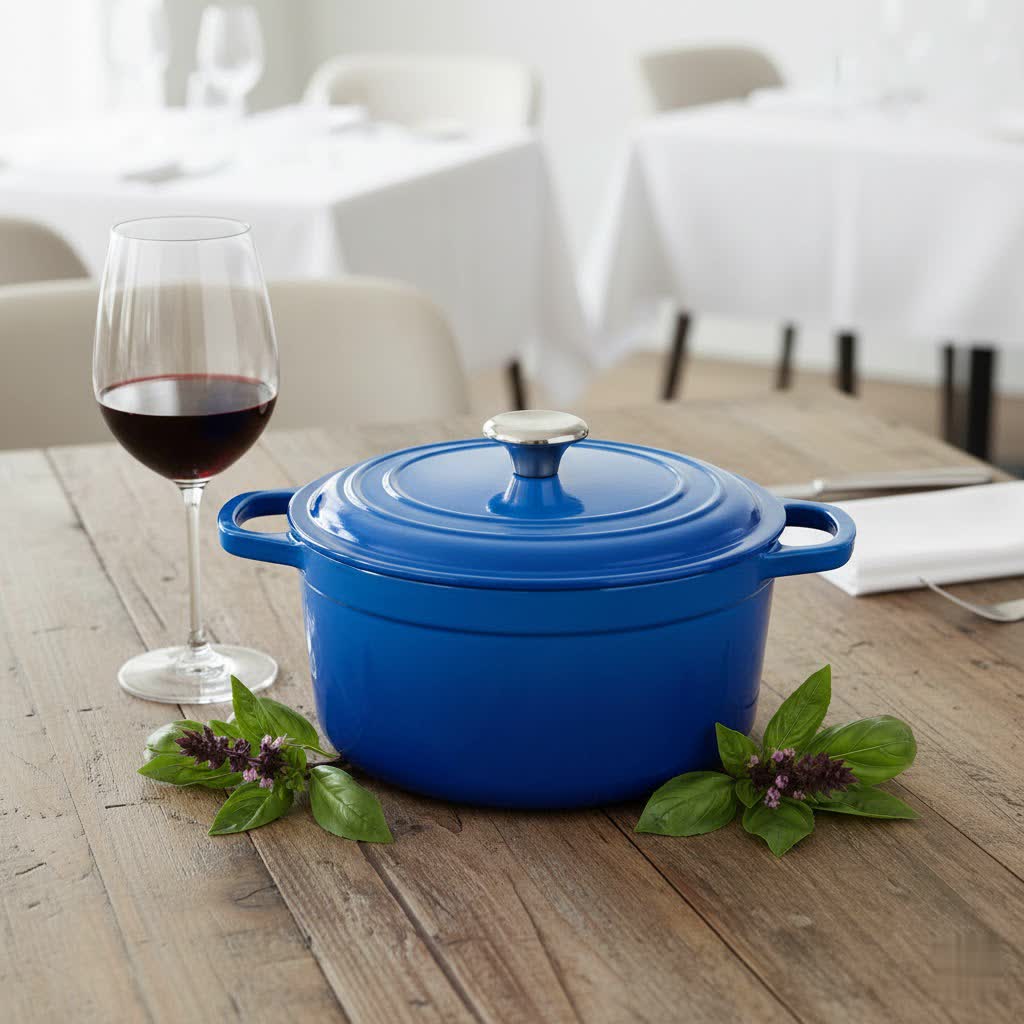
A Dutch oven is a heavy-duty cooking pot, traditionally made from cast iron, featuring thick walls and a tight-fitting lid. Its origins trace back centuries, with various cultures developing their own versions of covered cooking pots used over open fires or within ovens. The key to its enduring popularity lies in its material and design, which create an ideal environment for a wide range of cooking techniques.
The primary advantage of a Dutch oven is its exceptional heat retention and even heat distribution. Once hot, it maintains a consistent temperature, making it perfect for slow-cooking methods that tenderize meats and meld flavors beautifully. Whether you’re searing, braising, simmering, frying, or baking, a good cast iron Dutch oven handles it all with aplomb, transforming everyday ingredients into extraordinary meals. It’s truly a multi-tasking hero that can elevate your home cooking to new heights.
Types of Dutch Ovens: Choosing Your Perfect Pot
While the term “Dutch oven” often conjures images of rustic black pots, modern variations offer distinct characteristics to suit different preferences and cooking styles. The primary distinction is between bare cast iron and enameled cast iron.
Bare Cast Iron Dutch Oven
These are the traditional workhorses of the Dutch oven family. Made entirely of raw cast iron, they are incredibly durable and, with proper care, can last for generations.
- Pros:
- Exceptional Durability: Highly resistant to damage and can withstand very high temperatures, even over open flames or campfires.
- Superior Heat Retention: Excellent at holding and distributing heat evenly.
- Develops Natural Non-Stick Surface: With consistent seasoning, it becomes naturally non-stick.
- Affordable: Generally less expensive than enameled versions.
- Cons:
- Requires Seasoning: Needs to be seasoned regularly to prevent rust and maintain its non-stick properties.
- Maintenance: More demanding to clean and care for, as it should not be soaked or exposed to harsh soaps that can strip the seasoning.
- Reacts with Acidic Foods: Prolonged cooking of highly acidic foods (like tomato sauce or wine-based dishes) can strip the seasoning, though a well-seasoned pot can handle occasional acidic cooking.
- Heavy: Can be quite heavy, especially larger sizes.
|
Our Picks for the Best Dutch Oven in 2026
As an Amazon Associate I earn from qualifying purchases.
|
||
| Num | Product | Action |
|---|---|---|
| 1 | Lodge 6 Quart Enameled Cast Iron Dutch Oven with Lid – Dual Handles – Oven Safe up to 500° F or on Stovetop - Use to Marinate, Cook, Bake, Refrigerate and Serve – Blue |

|
| 2 | Lodge 6 Quart Enameled Cast Iron Dutch Oven with Lid – Dual Handles – Oven Safe up to 500° F or on Stovetop - Use to Marinate, Cook, Bake, Refrigerate and Serve – Cranberry |
|
| 3 | HomeVSS 5.5-Quart Enameled Cast Iron Dutch Oven with Lid & Dual Handles – Heavy-Duty for Bread Baking, Braising, Stews, Roasting, Oven & Induction Compatible, Orange |
|
| 4 | Lodge 6 Quart Enameled Cast Iron Dutch Oven with Lid – Dual Handles – Oven Safe up to 500° F or on Stovetop - Use to Marinate, Cook, Bake, Refrigerate and Serve – Apricot |
|
| 5 | Lodge 6 Quart Enameled Cast Iron Dutch Oven with Lid – Dual Handles – Oven Safe up to 500° F or on Stovetop - Use to Marinate, Cook, Bake, Refrigerate and Serve – Burnt Sienna |
|
| 6 | HomeVSS 5.5-Quart Enameled Cast Iron Dutch Oven with Lid & Dual Handles – Heavy-Duty for Bread Baking, Braising, Stews, Roasting, Oven & Induction Compatible, Blue |
|
| 7 | Lodge 6 Quart Enameled Cast Iron Dutch Oven with Lid – Dual Handles – Oven Safe up to 500° F or on Stovetop - Use to Marinate, Cook, Bake, Refrigerate and Serve – Avocado |
|
| 8 | HomeVSS 5.5-Quart Enameled Cast Iron Dutch Oven with Lid & Dual Handles – Heavy-Duty for Bread Baking, Braising, Stews, Roasting, Oven & Induction Compatible, Red |
|
| 9 | Lodge 6 Quart Enameled Cast Iron Dutch Oven with Lid – Dual Handles, Oven Safe up to 500°F, Stovetop Compatible – Marinate, Cook, Bake, Refrigerate & Serve – Oyster White |
|
| 10 | Lodge 6 Quart Enameled Cast Iron Dutch Oven with Lid – Dual Handles – Oven Safe up to 500° F or on Stovetop - Use to Marinate, Cook, Bake, Refrigerate and Serve – Cornflower Blue |
|
Enameled Cast Iron Dutch Oven
These pots feature a cast iron core coated with a layer of porcelain enamel, both on the interior and exterior. They combine the benefits of cast iron with easier maintenance and aesthetic appeal.
- Pros:
- No Seasoning Required: The enamel coating eliminates the need for seasoning, making it ready to use out of the box.
- Easy to Clean: The smooth, non-porous surface is much easier to clean and can be washed with soap and water.
- Resistant to Acidic Foods: The enamel protects the cast iron, allowing you to cook acidic ingredients without worry.
- Aesthetically Pleasing: Available in a vast array of colors, making them attractive cookware that can go straight from stove to table.
- Cons:
- Prone to Chipping: The enamel can chip or crack if dropped, banged, or exposed to extreme temperature changes (thermal shock).
- Higher Price Point: Generally more expensive than bare cast iron.
- Lower Max Temperature: Typically not suitable for extremely high heat (e.g., over a campfire) and has a lower maximum oven temperature than bare cast iron.
- Still Heavy: While some brands offer lighter options, they remain substantial in weight due to the cast iron core.
Aluminum Dutch Oven
While less common for the classic “Dutch oven” experience, aluminum pots exist. They are significantly lighter and heat up quickly, but they do not retain heat as effectively as cast iron and are generally not designed for the same slow-cooking, heat-retentive tasks. They are often a budget-friendly, lightweight alternative for camping, but lack the true essence and performance of cast iron.
Detailed Comparison Table: Cast Iron Dutch Ovens
| Feature | Bare Cast Iron | Enameled Cast Iron | Aluminum (for comparison) |
|---|---|---|---|
| Heat Retention | Excellent | Good | Medium |
| Durability | Very High | High (enamel can chip) | Medium |
| Cleaning | More difficult, no soap for seasoning | Easy, soap-safe | Easy |
| Seasoning | Required | Not required (except rim) | Not required |
| Weight | Heavy | Heavy | Light |
| Price | Medium | High | Low |
| Acidic Foods | Can strip seasoning | Safe | Safe |
| Rust | Prone if not cared for | Resistant (except chips) | Resistant |
| Appearance | Rustic black | Wide range of colors | Shiny/Matte Silver |
How to Choose Your Cast Iron Dutch Oven
Selecting the right Dutch oven involves considering several factors to ensure it meets your cooking needs and lifestyle.
- Size and Capacity: The most versatile size for a family of 4-6 is typically a 5-quart to 7-quart round Dutch oven. Smaller sizes are great for side dishes or single servings, while larger ones are ideal for big gatherings or batch cooking. Consider what you’ll primarily be cooking.
- Material: Revisit the pros and cons of bare vs. enameled cast iron. If you prioritize ease of cleaning and cooking acidic dishes, enameled is a great choice. If you prefer a rustic, indestructible pot for outdoor cooking and don’t mind the seasoning process, bare cast iron is superior.
- Brand Reputation: Investing in a well-regarded brand often means better quality and longevity.
- Lodge: Known for producing excellent, affordable bare cast iron and reliable enameled options, often recommended as the “best overall” for value.
- Le Creuset: A premium brand famous for pioneering enameled cast iron, offering a wide range of colors, and often cited for being lighter weight and incredibly durable.
- Staub: Another high-end French brand, known for its self-basting lids (with spikes to collect moisture) and excellent heat distribution, favored by many professional chefs.
- Lid Features: A tight-fitting lid is crucial for trapping moisture and heat. Some lids, like Staub’s, feature nubs or spikes on the underside to promote self-basting, which keeps food moist during long cooks.
- Handles: Large, ergonomic loop handles are important for safely maneuvering a heavy pot, especially when wearing oven mitts.
Top-Rated Cast Iron Dutch Ovens
Based on extensive testing and user reviews, several brands consistently stand out for their quality and performance.
- Lodge Enameled Cast Iron Dutch Oven: Often hailed as the best budget-friendly option without compromising significantly on quality. It performs admirably for searing, braising, and baking, and its enamel is quite durable for its price point. Lodge also offers excellent bare cast iron options, including the versatile Double Dutch Oven where the lid doubles as a skillet.
- Le Creuset Round Dutch Oven: The gold standard for many, renowned for its beautiful color selection, superior enamel finish, and durable construction. While a significant investment, it’s considered an heirloom piece that performs exceptionally well across all cooking tasks, from delicate sauces to crusty breads. Its relatively lighter weight for its capacity is a notable advantage.
- Staub Round Cocotte: A top-tier choice for those seeking professional-grade performance. Staub Dutch ovens excel in heat retention and the unique self-basting lids are highly effective at keeping dishes incredibly moist. They are also known for their robust, chip-resistant enamel.
Caring for Your Cast Iron Dutch Oven
Proper care ensures your Dutch oven lasts a lifetime and performs at its best.
Seasoning Bare Cast Iron
Seasoning creates a natural, protective, non-stick layer on bare cast iron.
- Clean Thoroughly: Wash with warm water and a stiff brush (avoid harsh soap initially) to remove any residue.
- Dry Completely: Heat the pot over medium-low heat on the stove for 5-10 minutes to evaporate all moisture.
- Apply Oil: Rub a very thin layer of high smoke-point cooking oil (like canola, grapeseed, or flaxseed oil) over the entire surface, inside and out, including the lid. Wipe off any excess so the surface looks dry but has a sheen.
- Bake: Place the Dutch oven upside down in an oven preheated to 450-500°F (230-260°C) for one hour. Place foil on the bottom rack to catch any drips.
- Cool: Turn off the oven and let the Dutch oven cool completely inside.
Repeat this process a few times for the best initial seasoning. Regular cooking with oil will further build up the seasoning layer.
Cleaning and Maintenance
- Bare Cast Iron:
- After cooking, rinse with warm water. Use a stiff brush, plastic scraper, or chain mail scrubber to remove food residue. Avoid abrasive scouring pads.
- For stubborn food, simmer a bit of water in the pot for a few minutes, then scrape.
- Dry immediately and thoroughly. You can place it back on a warm stovetop for a few minutes to ensure it’s completely dry.
- Rub a very thin layer of oil on the interior before storing to prevent rust.
- Avoid soaking for long periods.
- Enameled Cast Iron:
- Allow the pot to cool completely before washing to prevent thermal shock, which can damage the enamel.
- Wash with warm, soapy water and a non-abrasive sponge or cloth.
- For stuck-on food, fill with warm water and a little dish soap, let it soak for 15-20 minutes, then gently scrub. Baking soda paste can also help with stains.
- Avoid metal utensils, harsh scouring pads, and strong abrasive cleaners to prevent scratching or chipping the enamel. Use wooden, silicone, or nylon tools.
- While some are dishwasher safe, handwashing is generally recommended to preserve the finish.
- For enameled pots with exposed cast iron rims (common on the lid and pot edges), apply a thin layer of oil to these areas periodically to prevent rust.
Delicious Recipes to Make in Your Dutch Oven
The Dutch oven is a master of many culinary domains. Here are some popular dishes that truly shine when cooked in this versatile pot:
- Stews and Braises: The excellent heat retention is perfect for tenderizing tough cuts of meat and simmering rich, flavorful stews like classic beef bourguignon, hearty beef stew, chicken stew, or flavorful lentil soup. The tight lid traps moisture, creating incredibly succulent results.
- Roasts: Roast whole chickens, pot roasts, or pork shoulders to perfection. The Dutch oven keeps the meat moist while allowing for a beautifully browned exterior. Try a one-pot lemongrass chicken with rice or a classic pot roast with root vegetables.
- Bread Baking: It’s a favorite for no-knead bread. The Dutch oven acts like a professional bread oven, trapping steam to create a crispy, golden crust and a soft, airy interior.
- Soups and Chilis: From creamy cheeseburger soup to spicy chili or a comforting chicken and vegetable soup, the Dutch oven is ideal for developing deep, layered flavors.
- Pasta Dishes: Many one-pot pasta recipes benefit from the Dutch oven’s capacity and even heating, allowing pasta and sauce to meld together perfectly.
- Frying: Its thick walls and heat retention make it excellent for deep frying, maintaining a consistent oil temperature for perfectly crispy fried chicken or other fried delights.
Where to Buy Your Dutch Oven
Dutch ovens are widely available both online and in brick-and-mortar stores.
- Department and Home Goods Stores: Retailers like Williams Sonoma, Sur La Table, Target, and Lodge’s own stores often carry a selection of Dutch ovens from various brands. This allows you to see and feel the different options.
- Online Marketplaces: Amazon, the official websites of brands like Le Creuset, Staub, and Lodge, and other online kitchenware retailers offer extensive selections, often with competitive pricing and customer reviews.
- Considerations for Online Purchases: Always check product specifications, customer reviews, and return policies. Be mindful of potential shipping damage for heavy cast iron items.
Conclusion
The cast iron Dutch oven pot, whether bare or enameled, is more than just a piece of cookware; it’s an investment in countless delicious meals and cherished culinary memories. Its robust construction and superior cooking properties make it an indispensable tool for everything from weeknight dinners to special occasion feasts. With the right choice and proper care, your Dutch oven will serve you faithfully for decades, perhaps even becoming a treasured heirloom passed down through generations. Embrace the world of Dutch oven cooking and unlock a universe of rich flavors and effortless versatility in your kitchen. Which culinary masterpiece will you create first in your new Dutch oven?
Frequently Asked Questions
Can I use a Dutch oven on an induction cooktop?
Yes, cast iron Dutch ovens (both bare and enameled) are compatible with all cooktops, including induction, due to their ferromagnetic properties.
What is the ideal size Dutch oven for a family of four?
For a family of four, a 5-quart or 6-quart round Dutch oven is generally considered the most versatile size, suitable for roasting chickens, making stews, or baking bread.
Is it safe to cook acidic foods like tomato sauce in a bare cast iron Dutch oven?
While a well-seasoned bare cast iron Dutch oven can handle occasional acidic cooking, prolonged simmering of highly acidic foods can strip the seasoning. For frequent acidic dishes, an enameled cast iron Dutch oven is usually a better choice as its coating protects the iron.
