Welcome to the world of Dutch ovens, a culinary staple revered by home cooks and professional chefs alike for its incredible versatility and timeless appeal. If you’re looking to elevate your cooking game, a Dutch oven is an indispensable piece of cookware, perfect for everything from hearty stews and succulent braises to crusty no-knead bread and delicious deep-fried treats. Choosing the right one, however, can feel like a daunting task with so many options available. This comprehensive guide will help you navigate the features, materials, and brands to select the perfect Dutch oven for your kitchen.
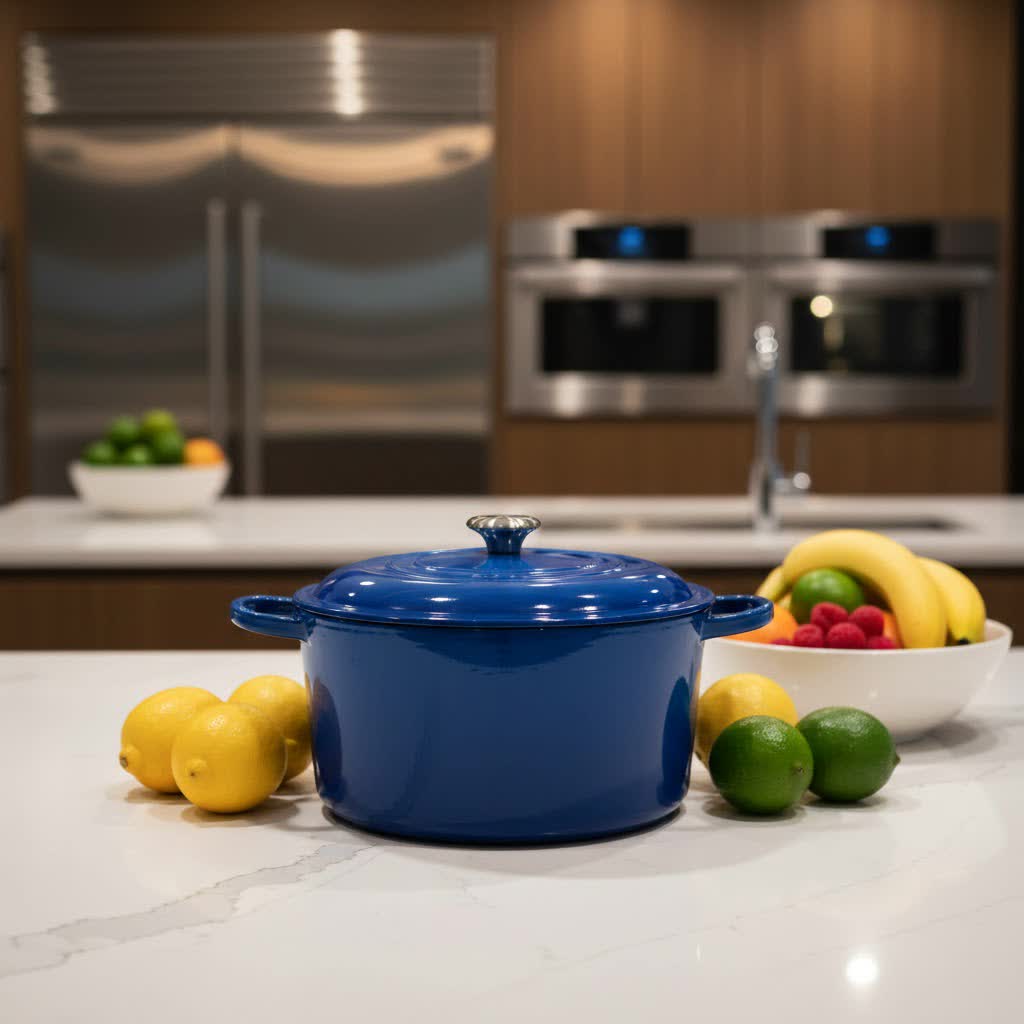
What is a Dutch Oven? Why You Need One
A Dutch oven is essentially a thick-walled cooking pot with a tight-fitting lid, designed to excel at slow cooking and maintain consistent temperatures. While often associated with robust cast iron, modern versions also come in various other materials. Its origins trace back to the early 18th century, with Englishman Abraham Darby patenting a process for casting iron in sand, inspired by Dutch methods, giving this iconic pot its enduring name.
The primary advantage of a Dutch oven lies in its exceptional heat retention and even heat distribution. This means food cooks uniformly, flavors meld beautifully, and moisture is locked in, resulting in tender meats and rich sauces. It’s a true workhorse, transitioning seamlessly from stovetop searing to oven baking, making it a cornerstone of any well-equipped kitchen. Whether you’re simmering a delicate coq au vin or baking a rustic loaf of sourdough, a Dutch oven provides the ideal environment for culinary perfection.
Types of Dutch Ovens: Choosing Your Perfect Pot
The material of your Dutch oven significantly impacts its performance, weight, and maintenance. Understanding the characteristics of each type is crucial for making an informed decision.
Enameled Cast Iron Dutch Ovens
Enameled cast iron is perhaps the most popular and versatile type of Dutch oven today. It combines the superior heat retention of cast iron with a protective, easy-to-clean enamel coating.
- Advantages: Excellent heat retention and even cooking, requires no seasoning, resists rust, non-reactive with acidic foods (like tomato sauce), available in a wide array of colors, generally easy to clean.
- Disadvantages: Very heavy, can be prone to chipping or cracking if dropped or exposed to extreme thermal shock, typically more expensive than bare cast iron.
- Popular Brands: Le Creuset, Staub, Lodge, Made In.
|
Our Picks for the Best Dutch Oven in 2026
As an Amazon Associate I earn from qualifying purchases.
|
||
| Num | Product | Action |
|---|---|---|
| 1 | Lodge 6 Quart Enameled Cast Iron Dutch Oven with Lid – Dual Handles – Oven Safe up to 500° F or on Stovetop - Use to Marinate, Cook, Bake, Refrigerate and Serve – Cranberry |

|
| 2 | HomeVSS 5.5-Quart Enameled Cast Iron Dutch Oven with Lid & Dual Handles – Heavy-Duty for Bread Baking, Braising, Stews, Roasting, Oven & Induction Compatible, Orange |
|
| 3 | HomeVSS 5.5-Quart Enameled Cast Iron Dutch Oven with Lid & Dual Handles – Heavy-Duty for Bread Baking, Braising, Stews, Roasting, Oven & Induction Compatible, Blue |
|
| 4 | Lodge 6 Quart Enameled Cast Iron Dutch Oven with Lid – Dual Handles – Oven Safe up to 500° F or on Stovetop - Use to Marinate, Cook, Bake, Refrigerate and Serve – Blue |
|
| 5 | Lodge 6 Quart Enameled Cast Iron Dutch Oven with Lid – Dual Handles – Oven Safe up to 500° F or on Stovetop - Use to Marinate, Cook, Bake, Refrigerate and Serve – Apricot |
|
| 6 | Lodge 6 Quart Enameled Cast Iron Dutch Oven with Lid – Dual Handles – Oven Safe up to 500° F or on Stovetop - Use to Marinate, Cook, Bake, Refrigerate and Serve – Cornflower Blue |
|
| 7 | HomeVSS 5.5-Quart Enameled Cast Iron Dutch Oven with Lid & Dual Handles – Heavy-Duty for Bread Baking, Braising, Stews, Roasting, Oven & Induction Compatible, Red |
|
| 8 | Lodge 6 Quart Enameled Cast Iron Dutch Oven with Lid – Dual Handles – Oven Safe up to 500° F or on Stovetop - Use to Marinate, Cook, Bake, Refrigerate and Serve – Burnt Sienna |
|
| 9 | Lodge 6 Quart Enameled Cast Iron Dutch Oven with Lid – Dual Handles, Oven Safe up to 500°F, Stovetop Compatible – Marinate, Cook, Bake, Refrigerate & Serve – Oyster White |
|
| 10 | Lodge 6 Quart Enameled Cast Iron Dutch Oven with Lid – Dual Handles – Oven Safe up to 500° F or on Stovetop - Use to Marinate, Cook, Bake, Refrigerate and Serve – Avocado |
|
Bare Cast Iron Dutch Ovens
Traditional bare or seasoned cast iron Dutch ovens are beloved for their rugged durability and ability to withstand high temperatures, making them ideal for outdoor cooking over an open flame, in addition to indoor use.
- Advantages: Incredibly durable, excellent heat retention, develops a natural non-stick surface with proper seasoning, typically more affordable, great for searing at high temperatures.
- Disadvantages: Very heavy, requires regular seasoning and specific cleaning methods to prevent rust, can react with acidic foods, altering their flavor or stripping the seasoning.
- Popular Brands: Lodge.
Ceramic Dutch Ovens
Ceramic Dutch ovens offer a lighter alternative to cast iron while still providing good heat retention, though typically not as efficient as cast iron.
- Advantages: Lighter weight, often attractive designs, high heat resistance (some can go up to 900°F+), generally non-toxic.
- Disadvantages: Can be fragile and prone to cracking or shattering if dropped or subjected to rapid temperature changes, not always suitable for induction cooktops.
- Popular Brands: Emile Henry, Caraway (ceramic-coated aluminum).
Aluminum Dutch Ovens
Cast aluminum Dutch ovens are a lightweight option, valued for their quick heating capabilities and ease of handling.
- Advantages: Very lightweight, heats up quickly, often more affordable.
- Disadvantages: Does not retain heat as efficiently or evenly as cast iron, lids may not fit as tightly, generally not as durable for high-heat searing, less ideal for very long slow-cooking tasks.
- Popular Brands: GSI Outdoors (for camping), some ceramic-coated options are aluminum-based.
Detailed Comparison Table: Dutch Oven Materials
| Feature | Bare Cast Iron | Enameled Cast Iron | Aluminum | Ceramic (Stoneware) |
|---|---|---|---|---|
| Heat Retention | Excellent | Excellent | Moderate | Good |
| Durability | Very High (rugged) | High (can chip enamel) | Moderate | Moderate (can crack) |
| Cleaning | Needs seasoning/care | Easy | Easy | Easy |
| Weight | Heavy | Heavy | Light | Moderate to Light |
| Price | Moderate | High | Low to Moderate | Moderate to High |
| Acidity React. | Yes (can affect food) | No | No | No |
| Seasoning Req. | Yes | No | No | No |
How to Choose the Best Dutch Oven: Important Factors
Selecting the ideal Dutch oven involves considering several key factors to match your cooking style, kitchen needs, and budget.
Size and Capacity
The capacity of your Dutch oven, measured in quarts, dictates how much food you can cook. For most home cooks and families of 2-4 people, a 5.5 to 7-quart Dutch oven is considered the sweet spot. This size is large enough to roast a whole chicken, prepare a family-sized stew, or bake a standard loaf of bread, yet not so cumbersome for everyday use. Smaller sizes (1-4 quarts) are great for side dishes, individual servings, or smaller households, while larger ones (8-15 quarts) are perfect for batch cooking, entertaining large groups, or very large roasts.
Dutch ovens typically come in two shapes: round or oval. Round Dutch ovens fit best on standard stovetop burners and promote even heating for most recipes. Oval Dutch ovens are excellent for roasting longer cuts of meat, like a pork loin or an entire fish, especially in the oven.
Material
As discussed, the material is paramount. Enameled cast iron offers the best balance of performance, ease of use, and aesthetics for most kitchen tasks. If you prioritize outdoor cooking or a truly heirloom piece that requires dedicated care, bare cast iron is an excellent choice. For lighter weight and quicker heating, ceramic or aluminum options might suit your needs, though they come with their own trade-offs.
Lid Design
A tight-fitting lid is crucial for a Dutch oven, as it traps moisture and heat, creating the ideal environment for braising and slow cooking. Some high-end brands, like Staub, feature self-basting lids with spikes or rings on the underside. These clever designs collect condensation and redistribute it evenly over the food, ensuring maximum moisture and flavor. Look for lids with heat-resistant knobs, preferably metal, if you plan to use your Dutch oven frequently in a high-temperature oven.
Handles
Given the substantial weight of Dutch ovens, especially when filled with food, sturdy and ergonomic handles are essential. Wide, looped handles provide a secure and comfortable grip, even when wearing thick oven mitts. Ensure there’s ample space between the handle and the pot for easy and safe lifting.
Interior Color
While often overlooked, the interior color can impact your cooking experience. Lighter-colored enamel interiors, like those found in many Le Creuset models, make it easier to monitor the browning of food (the fond) and prevent scorching. Darker interiors, such as Staub’s matte black enamel, are excellent for achieving a deep sear, as they absorb heat effectively, but can make it harder to see the fond developing.
Oven Safety and Compatibility
Verify the maximum oven-safe temperature of your chosen Dutch oven, especially if you plan on baking bread at high temperatures. Most enameled cast iron models are oven-safe up to 500°F or higher. Also, check for stovetop compatibility; most Dutch ovens work on gas, electric, and ceramic cooktops, but some ceramic or aluminum versions may not be induction-compatible.
Budget and Brand Reputation
Dutch ovens range widely in price. High-end brands like Le Creuset and Staub are a significant investment but are known for their exceptional quality, durability, and often come with lifetime warranties. They are considered heirloom pieces. Mid-range options like Made In or Milo offer great performance and style at a more accessible price point. For budget-conscious buyers, brands like Lodge and Amazon Basics provide excellent value, delivering solid performance without breaking the bank. Consider your long-term cooking needs and how frequently you’ll use the pot when determining your budget.
“A Dutch oven is more than just a pot; it’s an investment in countless delicious meals and cherished memories. Choose wisely, and it will serve you for generations.” – Chef Eleanor Vance, Culinary Institute of America.
Top Dutch Ovens We Recommend
Based on extensive testing and user reviews, here are some of the best Dutch ovens available today:
- Le Creuset Signature Round Dutch Oven: Often hailed as the gold standard, Le Creuset offers unparalleled quality, stunning aesthetics, and consistent performance. While a splurge, its lighter weight (for cast iron) and diverse color options make it a favorite for many. Ideal for those who seek the best overall quality and a true kitchen centerpiece.
- Staub Round Cocotte: A top contender for searing and versatility, Staub Dutch ovens feature a unique matte black interior and self-basting lids that ensure incredibly moist results. They are typically heavier than Le Creuset but are exceptionally durable and perform beautifully, particularly for slow-cooked dishes.
- Lodge Enameled Cast Iron Dutch Oven: For those seeking excellent performance without the premium price tag, Lodge offers an outstanding enameled cast iron Dutch oven. It’s robust, reliable, and provides fantastic heat retention, making it a stellar budget-friendly option for daily use.
- Our Place Cast Iron Perfect Pot: A popular modern choice, the Perfect Pot aims to be highly versatile. While newer to the market, it offers a great balance of functionality and contemporary design, often appealing to those looking for a stylish and multi-purpose pot.
Using and Caring for Your Dutch Oven
Proper care extends the life of your Dutch oven, ensuring it remains a cherished cooking companion for years.
Bare Cast Iron Care
For bare cast iron Dutch ovens, seasoning is key. Before first use, and periodically thereafter, apply a thin layer of cooking oil and bake the pot to create a protective, non-stick layer. Clean with hot water and a stiff brush, avoiding harsh soaps. Dry thoroughly immediately after washing to prevent rust, and apply another thin coat of oil before storing.
Enameled Cast Iron Care
Enameled Dutch ovens are much easier to maintain. Wash with warm, soapy water and a non-abrasive sponge. While some manufacturers claim dishwasher-safe, handwashing is generally recommended to protect the enamel from chipping or dulling over time. Avoid metal utensils, which can scratch the enamel; opt for silicone, wood, or nylon tools instead. For stubborn stuck-on food, fill the pot with water and a little dish soap, bring to a simmer, then gently scrape with a wooden spoon after it cools.
Ceramic and Aluminum Care
Ceramic and aluminum Dutch ovens are typically easy to clean with warm, soapy water. For ceramic, avoid extreme temperature changes (thermal shock) to prevent cracking. While often lighter, handwashing is still recommended to preserve their finish and integrity.
Delicious Recipes to Make in Your Dutch Oven
The Dutch oven’s versatility shines in a wide array of recipes:
- Stews and Braises: Classic beef stew, coq au vin, lamb tagine, pot roast. The consistent, even heat creates fork-tender meats and deeply flavorful sauces.
- Roasts: A whole roasted chicken or turkey breast emerges incredibly juicy and with perfectly crispy skin.
- No-Knead Bread: The enclosed environment and high heat create a beautifully crusty exterior and a soft, airy interior, mimicking a professional bakery oven.
- Soups and Chilis: Simmer large batches of your favorite soups, chili, or hearty bean dishes.
- Deep Frying: The excellent heat retention makes it ideal for maintaining oil temperature for perfectly crispy fried chicken, donuts, or tempura.
Where to Buy Your Best Dutch Oven
You can find Dutch ovens at a variety of retailers. High-end brands are available at specialty kitchen stores like Williams Sonoma, Sur La Table, or directly from their websites. More affordable options are widely available at department stores, general merchandise retailers like Walmart and Target, and online marketplaces such as Amazon. When buying online, always read reviews, check the seller’s reputation, and confirm warranty information.
Conclusion
Choosing the best Dutch oven is an exciting step towards expanding your culinary horizons. Whether you opt for the renowned performance of enameled cast iron, the rustic charm of bare cast iron, or a lighter ceramic alternative, this exceptional piece of cookware promises to transform your cooking experience. With its ability to braise, stew, roast, bake, and fry with unparalleled efficiency, a Dutch oven is truly a lifelong investment in delicious food and memorable meals. So, which Dutch oven will be the perfect companion for your kitchen adventures?
Frequently Asked Questions
What size Dutch oven do I need for a family of 4?
For a family of four, a 5.5 to 7-quart Dutch oven is typically ideal. This range provides enough capacity for most family meals, including roasts, stews, and bread, without being excessively large or cumbersome for daily use.
Is an enameled Dutch oven worth the investment?
Many chefs and home cooks agree that an enameled cast iron Dutch oven is well worth the investment. Its benefits, such as superior heat retention, ease of cleaning, non-reactivity with acidic foods, and long lifespan, often outweigh the higher upfront cost, making it a valuable heirloom piece.
How do I prevent food from sticking in my Dutch oven?
For enameled cast iron, ensure you use enough oil or fat and preheat the pot gradually. For bare cast iron, maintaining a well-seasoned surface is crucial. In both cases, avoid overcrowding the pot, which can lower the temperature and lead to sticking.
Can I put my Dutch oven in the dishwasher?
While some enameled cast iron Dutch ovens are technically dishwasher-safe, handwashing with warm, soapy water is generally recommended. Dishwashers can be harsh on the enamel over time, potentially leading to chipping or dulling of the finish, and the pots are often too heavy and bulky for the rack.
What’s the difference between a Dutch oven and a French oven?
The terms “Dutch oven” and “French oven” are often used interchangeably, particularly when referring to enameled cast iron cookware. Historically, “French oven” specifically referred to enameled cast iron pots, while “Dutch oven” could refer to either bare or enameled versions, especially those with legs for campfire cooking. Today, they largely describe the same type of versatile, heavy-duty pot.
