Stepping into the world of Dutch ovens can transform your cooking, offering a versatile tool that excels at everything from slow-cooked stews to artisan bread. If you’re wondering what makes a “good” Dutch oven, you’re not alone. This comprehensive guide will navigate through materials, sizes, features, and top brands, ensuring you select the ideal companion for your culinary adventures. Whether you’re a seasoned chef or a home cook looking to elevate your dishes, understanding the nuances of these exceptional pots is key to finding one that truly fits your kitchen and lifestyle.
What is a Dutch Oven? Why Every Kitchen Needs One
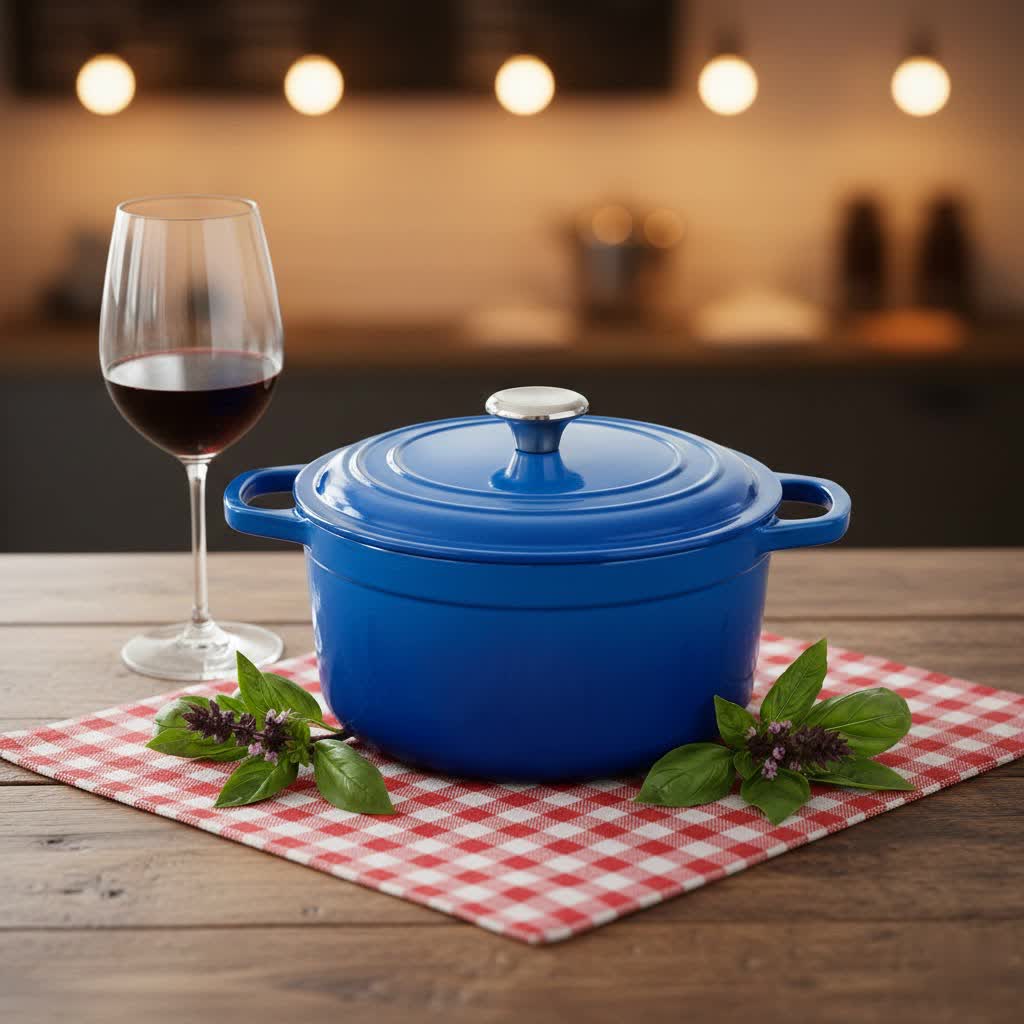
A Dutch oven is a heavy-duty, thick-walled cooking pot, typically made from cast iron, with a tightly fitting lid. Its design allows it to excel at retaining and distributing heat evenly, making it incredibly versatile for a wide range of cooking techniques. Historically, Dutch ovens date back centuries, with various cultures developing similar heavy pots for communal cooking over open fires or in ovens.
The primary advantage of using a Dutch oven lies in its superior heat retention and distribution. This characteristic makes it perfect for dishes requiring long, slow cooking times, such as braises, stews, and roasts, ensuring ingredients cook uniformly and flavors meld beautifully. Beyond slow cooking, a good Dutch oven can sear meats to perfection, deep-fry with stable oil temperatures, and even bake crusty loaves of bread with an ideal moist interior and crispy crust. Its ability to go from stovetop to oven seamlessly further enhances its utility, consolidating multiple cooking tasks into one robust piece of cookware.
Dutch Oven Categories: Finding Your Best Match
Dutch ovens come in several primary material types, each offering distinct benefits and considerations. Understanding these differences is crucial for selecting the one that aligns with your cooking habits and maintenance preferences.
Cast Iron Dutch Ovens
Traditional cast iron Dutch ovens are celebrated for their incredible durability and exceptional heat retention. These pots are typically pre-seasoned, meaning they have a baked-on layer of oil that creates a natural, non-stick surface and protects against rust. Many appreciate the rustic charm and the robust performance of bare cast iron, especially for outdoor cooking over open flames or for achieving a deep, even sear.
- Advantages: Unmatched heat retention, extremely durable, can be used on any heat source including campfires, develops a natural non-stick seasoning over time, generally more affordable.
- Disadvantages: Heavy, requires specific seasoning and maintenance to prevent rust, not ideal for highly acidic foods as it can strip the seasoning and impart a metallic taste.
|
Our Picks for the Best Dutch Oven in 2026
As an Amazon Associate I earn from qualifying purchases.
|
||
| Num | Product | Action |
|---|---|---|
| 1 | Lodge 6 Quart Enameled Cast Iron Dutch Oven with Lid – Dual Handles – Oven Safe up to 500° F or on Stovetop - Use to Marinate, Cook, Bake, Refrigerate and Serve – Avocado |

|
| 2 | Lodge 6 Quart Enameled Cast Iron Dutch Oven with Lid – Dual Handles, Oven Safe up to 500°F, Stovetop Compatible – Marinate, Cook, Bake, Refrigerate & Serve – Oyster White |
|
| 3 | Lodge 6 Quart Enameled Cast Iron Dutch Oven with Lid – Dual Handles – Oven Safe up to 500° F or on Stovetop - Use to Marinate, Cook, Bake, Refrigerate and Serve – Cranberry |
|
| 4 | HomeVSS 5.5-Quart Enameled Cast Iron Dutch Oven with Lid & Dual Handles – Heavy-Duty for Bread Baking, Braising, Stews, Roasting, Oven & Induction Compatible, Orange |
|
| 5 | Lodge 6 Quart Enameled Cast Iron Dutch Oven with Lid – Dual Handles – Oven Safe up to 500° F or on Stovetop - Use to Marinate, Cook, Bake, Refrigerate and Serve – Apricot |
|
| 6 | Lodge 6 Quart Enameled Cast Iron Dutch Oven with Lid – Dual Handles – Oven Safe up to 500° F or on Stovetop - Use to Marinate, Cook, Bake, Refrigerate and Serve – Blue |
|
| 7 | HomeVSS 5.5-Quart Enameled Cast Iron Dutch Oven with Lid & Dual Handles – Heavy-Duty for Bread Baking, Braising, Stews, Roasting, Oven & Induction Compatible, Red |
|
| 8 | HomeVSS 5.5-Quart Enameled Cast Iron Dutch Oven with Lid & Dual Handles – Heavy-Duty for Bread Baking, Braising, Stews, Roasting, Oven & Induction Compatible, Blue |
|
| 9 | Lodge 6 Quart Enameled Cast Iron Dutch Oven with Lid – Dual Handles – Oven Safe up to 500° F or on Stovetop - Use to Marinate, Cook, Bake, Refrigerate and Serve – Cornflower Blue |
|
| 10 | Lodge 6 Quart Enameled Cast Iron Dutch Oven with Lid – Dual Handles – Oven Safe up to 500° F or on Stovetop - Use to Marinate, Cook, Bake, Refrigerate and Serve – Burnt Sienna |
|
Enameled Cast Iron Dutch Ovens
Enameled cast iron Dutch ovens are perhaps the most popular type today, combining the legendary heat properties of cast iron with a protective, vibrant enamel coating. This glass-like finish makes them non-reactive to acidic foods, eliminates the need for seasoning, and offers a beautiful aesthetic that can go straight from oven to table. Brands like Le Creuset and Staub are renowned for their high-quality enameled options.
- Advantages: Excellent heat retention, easy to clean with soap and water, non-reactive to acidic foods (e.g., tomatoes, wine), comes in a wide array of colors, often oven-safe to high temperatures.
- Disadvantages: Heavier than other materials, enamel can chip or crack if dropped or subjected to extreme thermal shock, generally more expensive than bare cast iron.
Aluminum and Ceramic Dutch Ovens
While less common for traditional Dutch ovens, aluminum and ceramic options offer lighter alternatives. Aluminum Dutch ovens conduct heat well and are lightweight, though they typically don’t retain heat as effectively as cast iron. Ceramic Dutch ovens, often made from high-fired clay, are non-toxic and can offer a gentle, even heat, though they can be more prone to chipping or breakage if mishandled. Some lightweight Dutch ovens are also available with ceramic non-stick coatings over an aluminum base, offering an easier-to-lift option for those who find cast iron too heavy.
- Advantages: Lighter weight (aluminum), often non-toxic (ceramic), good heat conductivity (aluminum).
- Disadvantages: Less robust heat retention than cast iron, may be less durable (ceramic can chip), not all ceramic is suitable for stovetop use.
Detailed Comparison of Dutch Oven Types
| Feature | Cast Iron (Bare) | Enameled Cast Iron | Aluminum | Ceramic |
|---|---|---|---|---|
| Heat Retention | Excellent | Excellent | Good | Good |
| Durability | Very High (lasts generations) | High (can chip enamel) | Medium | Medium (can chip/break) |
| Maintenance | High (seasoning, no soap) | Low (soap & water) | Low (soap & water) | Low (soap & water) |
| Weight | Heavy | Heavy | Light | Medium |
| Price | Medium | High | Low to Medium | Medium |
| Acidic Foods | Not Recommended | Excellent | Good | Excellent |
| Outdoor Use | Excellent | Not Recommended | Good | Not Recommended |
How to Choose a Good Dutch Oven: Essential Factors
Selecting the right Dutch oven involves considering several key elements to ensure it meets your specific cooking needs and preferences. A good Dutch oven is an investment that can last a lifetime, so choosing wisely is paramount.
Size and Capacity
The ideal size and capacity of your Dutch oven largely depend on your household size and typical cooking volume. A 5.5 to 7-quart capacity is widely considered the most versatile for most families of 2-5 people, comfortably fitting a whole chicken or a substantial stew. Smaller 1-4 quart Dutch ovens are great for side dishes, individual servings, or smaller households, while larger 7-13 quart options are perfect for entertaining crowds or batch cooking. Remember, a Dutch oven shouldn’t be too large for the amount of food you’re cooking, as this can lead to excessive evaporation.
Material Quality
As discussed, material quality is fundamental. For most home cooks seeking versatility and ease of care, a high-quality enameled cast iron Dutch oven is an excellent choice. Look for brands known for durable enamel that resists chipping. If you prefer the ruggedness and unique properties of bare cast iron, ensure it’s well-made and commit to the seasoning process.
Brand Reputation
Investing in a Dutch oven often means choosing from well-established brands. Lodge is celebrated for its excellent value in both bare and enameled cast iron. For premium, heirloom-quality pieces, Le Creuset and Staub are industry standards, known for their exceptional craftsmanship, durability, and performance. Other reputable brands like Made In, Our Place, and Caraway also offer competitive options.
Lid Design
A good lid is crucial for effective Dutch oven cooking. It should fit snugly to create a tight seal, trapping steam and moisture to keep food tender and flavorful. Some premium lids, particularly from Staub, feature self-basting spikes on the underside. These spikes collect condensation and redistribute it back onto the food, ensuring continuous basting and incredibly moist results. Metal lid knobs are preferable if you plan to use your Dutch oven at very high oven temperatures, as some phenolic (plastic) knobs have lower heat limits.
Handle Comfort and Durability
Given the weight of a Dutch oven, especially when full, handle design is an important ergonomic consideration. Look for wide, sturdy loop handles that provide a comfortable and secure grip, even when you’re wearing thick oven mitts. Well-designed handles make it easier and safer to transfer the pot from stovetop to oven or to the table.
Top Dutch Ovens Favored by Home Cooks and Chefs Alike
Several Dutch ovens consistently receive high marks for their performance, durability, and overall value. While personal preference plays a role, these options frequently appear on “best of” lists.
- Le Creuset 5.5-Quart Round Dutch Oven: Often cited as the “gold standard,” Le Creuset is prized for its exceptional heat distribution, durable enamel, and wide array of vibrant colors. Its lighter-colored interior also makes it easier to monitor browning and prevent burning. While an investment, many consider it a lifetime piece.
- Staub Round Cocotte: A favorite among professional chefs, Staub Dutch ovens are known for their heavy, tight-fitting lids with self-basting spikes, which produce incredibly moist dishes. The darker interior is excellent for searing but can make it harder to observe fond development. Staub also offers superior heat retention and a refined aesthetic.
- Lodge Enameled Cast Iron Dutch Oven: For those seeking excellent performance at a more accessible price point, Lodge’s enameled cast iron offers remarkable value. It’s sturdy, reliable, and provides many of the benefits of more expensive brands, making it a popular choice for everyday cooks.
- Made In Dutch Oven: Made In has quickly gained a reputation for professional-quality cookware, including their enameled cast iron Dutch oven. It boasts excellent heat-up times and is praised for its versatility in braising, frying, and roasting.
- Lodge Cast Iron Double Dutch Oven: For traditionalists or campers, Lodge’s bare cast iron double Dutch oven is a robust, budget-friendly option. Its lid doubles as a skillet, adding to its versatility, and it’s built to withstand open flames.
> “A high-quality Dutch oven, particularly enameled cast iron, isn’t just a pot; it’s a culinary workhorse that inspires creativity and simplifies complex dishes. It’s an investment that pays dividends in delicious meals for decades.” – Chef Antoine Dubois, Culinary Instructor and Dutch Oven Enthusiast
Mastering Your Dutch Oven: Usage and Care
Getting the most out of your Dutch oven involves understanding proper usage and maintenance for its specific material. With the right care, these pots can truly last for generations.
Seasoning a Bare Cast Iron Dutch Oven
If you choose a bare cast iron Dutch oven, seasoning is essential. This process involves applying a thin layer of cooking oil to the entire pot and baking it at a high temperature. The oil polymerizes, creating a slick, non-stick surface and protecting the iron from rust. Regular seasoning after each use, by applying a thin coat of oil and wiping off excess, will build a robust, durable layer.
Cleaning Your Dutch Oven Properly
- Enameled Cast Iron: These are wonderfully easy to clean. Most can be washed with warm soapy water and a sponge. For stubborn stuck-on food, fill the pot with water and bring it to a simmer, then use a wooden spoon to gently scrape away residue. Avoid abrasive cleaners or metal scouring pads that can damage the enamel. While some are dishwasher safe, handwashing is often recommended to prolong their life.
- Bare Cast Iron: After cooking, clean bare cast iron by hand with hot water and a stiff brush or scraper, avoiding harsh detergents which can strip the seasoning. For stuck-on bits, you can use coarse salt as an abrasive. Dry immediately and thoroughly, then apply a very thin layer of cooking oil before storing to prevent rust.
Storing for Longevity
Proper storage is key to maintaining your Dutch oven. Ensure both bare and enameled pots are completely dry before putting them away. For bare cast iron, a light coat of oil helps prevent rust. To prevent moisture from getting trapped, you can place a paper towel inside the pot before adding the lid. Store in a dry place to avoid humidity.
Culinary Delights: Recipes to Make in Your Dutch Oven
The Dutch oven’s unique properties make it ideal for a vast array of dishes. Its ability to achieve high heat for searing and then maintain low, even temperatures for simmering opens up a world of possibilities.
- Hearty Stews and Braises: Classic beef bourguignon, coq au vin, lamb tagine, or simple pot roasts thrive in a Dutch oven. The even heat ensures tender meat and vegetables, while the tight-fitting lid locks in moisture and rich flavors.
- Crusty Artisan Bread: Many no-knead bread recipes utilize a Dutch oven for baking. Preheating the pot to a high temperature creates a steamy environment similar to a professional bread oven, yielding a perfectly crisp crust and a soft, airy interior.
- Soups and Chilis: From slow-simmered chicken noodle soup to robust chili con carne, the Dutch oven’s capacity and heat retention are perfect for large batches of comforting liquids.
- Roasts: Whole chickens, pork shoulders, or even a leg of lamb can be beautifully roasted in a Dutch oven, often resulting in juicier meat thanks to the enclosed cooking environment.
- Deep Frying: The thick walls and excellent heat retention of a Dutch oven help maintain consistent oil temperatures, making it a great vessel for deep-frying chicken, doughnuts, or seafood.
Where to Purchase Your Dutch Oven
Finding a reputable retailer is as important as choosing the right Dutch oven. You have several options for purchasing.
- Specialty Cookware Stores: These stores often have a wide selection of high-end brands like Le Creuset and Staub, allowing you to see and feel the products before buying. Knowledgeable staff can also offer personalized advice.
- Department Stores: Major department stores typically carry a range of Dutch ovens from various brands, including popular mid-range options and some premium lines.
- Online Retailers: Websites like Amazon, Williams Sonoma, Sur La Table, and directly from brand websites (e.g., Lodge, Le Creuset) offer the widest selection, competitive pricing, and often free shipping. Be sure to check return policies and customer reviews when buying online.
- Home Goods Stores: For budget-friendly options, stores focusing on home goods might carry less expensive enameled cast iron Dutch ovens, though quality can vary.
When buying online, always verify the seller’s authenticity and check for customer reviews regarding shipping and product condition to ensure you receive a genuine, undamaged item.
Conclusion
A good Dutch oven is more than just a pot; it’s a cornerstone of a well-equipped kitchen, offering unparalleled versatility and performance. By understanding the differences between cast iron and enameled varieties, considering crucial factors like size and lid design, and choosing reputable brands, you can confidently select a Dutch oven that will inspire countless delicious meals. Whether you’re simmering a savory stew or baking a perfect loaf of bread, your Dutch oven is poised to become one of your most cherished culinary tools. Which culinary adventure will you embark on first with your new kitchen companion?
Frequently Asked Questions
What is the ideal size Dutch oven for a family of four?
For a family of four, a 5.5 to 6.5-quart Dutch oven is typically ideal. This size is versatile enough to handle most meals, including roasts, stews, and bread, without being excessively large or too small for family portions.
Can I put my enameled Dutch oven on high heat?
While enameled Dutch ovens are robust, it’s generally best to avoid consistently using them on very high heat, especially when empty. High heat can damage the enamel over time. Medium-high heat is usually sufficient for searing, and lower settings are better for simmering.
Is it worth investing in a high-end Dutch oven like Le Creuset?
Many cooks find the investment in a high-end Dutch oven like Le Creuset worthwhile due to its superior heat retention, even cooking, durable enamel, and aesthetic appeal. These pots are designed to last for generations and often come with excellent warranties.
How do I prevent food from sticking in my Dutch oven?
For enameled Dutch ovens, always use some oil or fat and ensure the pot is preheated before adding food. For bare cast iron, a well-developed and maintained seasoning layer is key to its natural non-stick properties. Always use adequate cooking fat and don’t rush the preheating process.
Can I bake bread in any Dutch oven?
Most cast iron and enameled cast iron Dutch ovens are suitable for baking bread. The key is that the pot and lid must be oven-safe to high temperatures (typically 450-500°F) and the lid should fit tightly to trap steam, creating the ideal baking environment.
