Stepping into the world of Dutch ovens, you might wonder about the perfect size. For many home cooks, a 5 or 6-quart model is the sweet spot, but what if your culinary ambitions stretch further? If you frequently host large gatherings, embrace batch cooking, or simply love creating hearty, family-sized meals, the 8 quart Dutch oven is your indispensable kitchen workhorse. This guide will dive deep into why this generously sized pot is a game-changer, exploring its types, features, and the endless possibilities it unlocks for your cooking.
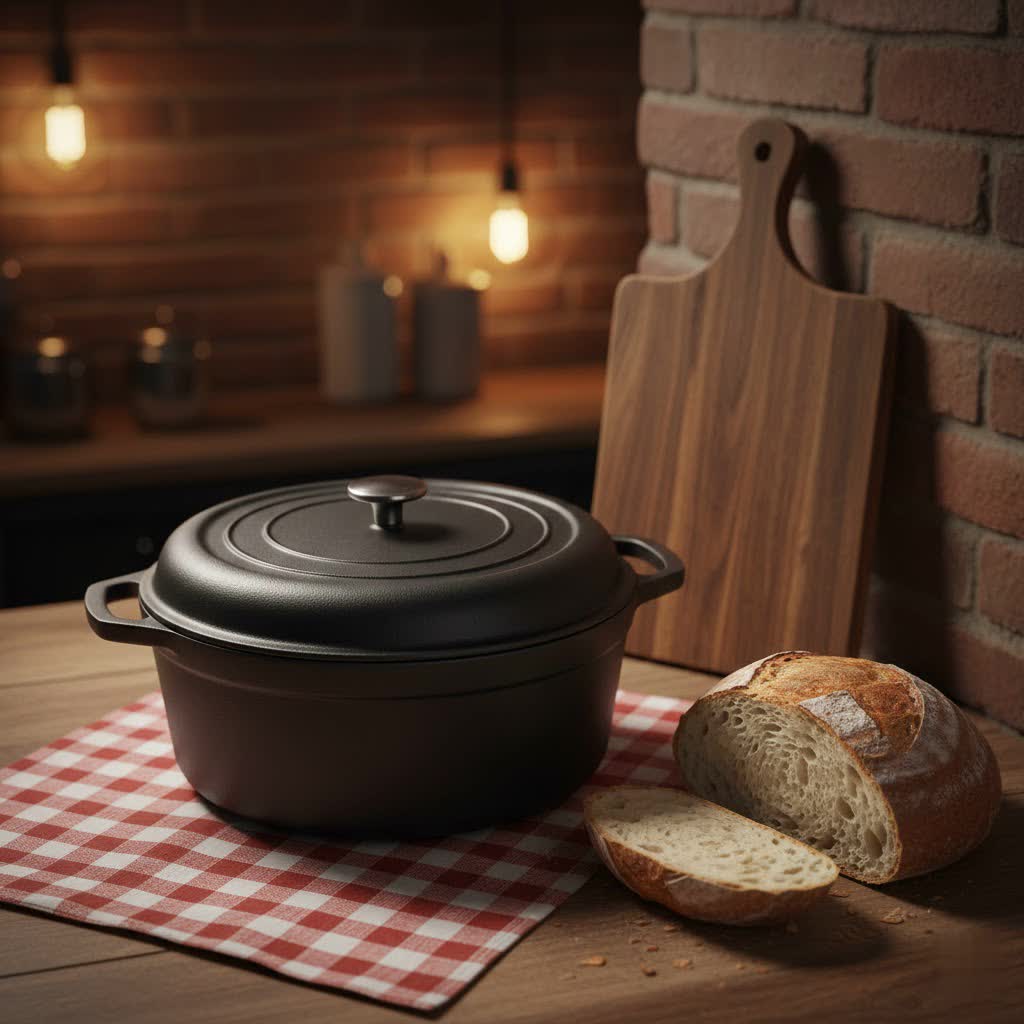
What is a Dutch Oven? Why an 8 Quart is a Kitchen Powerhouse
A Dutch oven is a thick-walled cooking pot, typically made of cast iron, with a tightly fitting lid. Its exceptional heat retention and even heat distribution make it ideal for a wide range of cooking techniques, from slow braising to baking. While smaller Dutch ovens serve daily needs, an 8 quart model stands out for its substantial capacity, catering to larger families of five or more people, or anyone who enjoys cooking in bulk. It’s perfectly suited for preparing an entire roast, a substantial batch of chili, or a whole chicken, ensuring ample portions for everyone at the table, with leftovers to spare. This larger size is also a favorite for outdoor enthusiasts, offering enough room to cook for a hungry crew over a campfire.
Types of 8 Quart Dutch Ovens: Finding Your Perfect Match
When choosing an 8 quart Dutch oven, the material is a primary consideration, as it dictates cooking performance, maintenance, and durability.
Enameled Cast Iron Dutch Ovens
Enameled cast iron is perhaps the most popular choice for home cooks due to its versatility and ease of use.
- Advantages:
- Easy to Clean: The smooth enamel coating prevents food from sticking and simplifies cleanup, often requiring just soap and water.
- No Seasoning Required: Unlike traditional cast iron, enamel doesn’t need to be seasoned, making it ready to use right out of the box.
- Non-Reactive: The enamel surface won’t react with acidic foods, preserving the true flavors of your dishes.
- Aesthetically Pleasing: Available in a vast array of vibrant colors, these Dutch ovens can go straight from the stove or oven to the table as attractive serving dishes.
- Disadvantages:
- Can Chip or Scratch: The enamel coating can be susceptible to chipping if dropped or struck with metal utensils.
- Heavier: Like traditional cast iron, enameled versions are quite heavy, especially at the 8 quart size when filled with food.
- Higher Price Point: Premium enameled cast iron brands tend to be more expensive.
|
Our Picks for the Best Dutch Oven in 2026
As an Amazon Associate I earn from qualifying purchases.
|
||
| Num | Product | Action |
|---|---|---|
| 1 | Lodge 6 Quart Enameled Cast Iron Dutch Oven with Lid – Dual Handles – Oven Safe up to 500° F or on Stovetop - Use to Marinate, Cook, Bake, Refrigerate and Serve – Avocado |

|
| 2 | Lodge 6 Quart Enameled Cast Iron Dutch Oven with Lid – Dual Handles – Oven Safe up to 500° F or on Stovetop - Use to Marinate, Cook, Bake, Refrigerate and Serve – Blue |
|
| 3 | Lodge 6 Quart Enameled Cast Iron Dutch Oven with Lid – Dual Handles – Oven Safe up to 500° F or on Stovetop - Use to Marinate, Cook, Bake, Refrigerate and Serve – Cranberry |
|
| 4 | HomeVSS 5.5-Quart Enameled Cast Iron Dutch Oven with Lid & Dual Handles – Heavy-Duty for Bread Baking, Braising, Stews, Roasting, Oven & Induction Compatible, Blue |
|
| 5 | HomeVSS 5.5-Quart Enameled Cast Iron Dutch Oven with Lid & Dual Handles – Heavy-Duty for Bread Baking, Braising, Stews, Roasting, Oven & Induction Compatible, Red |
|
| 6 | Lodge 6 Quart Enameled Cast Iron Dutch Oven with Lid – Dual Handles, Oven Safe up to 500°F, Stovetop Compatible – Marinate, Cook, Bake, Refrigerate & Serve – Oyster White |
|
| 7 | Lodge 6 Quart Enameled Cast Iron Dutch Oven with Lid – Dual Handles – Oven Safe up to 500° F or on Stovetop - Use to Marinate, Cook, Bake, Refrigerate and Serve – Burnt Sienna |
|
| 8 | Lodge 6 Quart Enameled Cast Iron Dutch Oven with Lid – Dual Handles – Oven Safe up to 500° F or on Stovetop - Use to Marinate, Cook, Bake, Refrigerate and Serve – Apricot |
|
| 9 | Lodge 6 Quart Enameled Cast Iron Dutch Oven with Lid – Dual Handles – Oven Safe up to 500° F or on Stovetop - Use to Marinate, Cook, Bake, Refrigerate and Serve – Cornflower Blue |
|
| 10 | HomeVSS 5.5-Quart Enameled Cast Iron Dutch Oven with Lid & Dual Handles – Heavy-Duty for Bread Baking, Braising, Stews, Roasting, Oven & Induction Compatible, Orange |
|
Traditional (Bare) Cast Iron Dutch Ovens
For those who appreciate rustic charm and rugged durability, traditional cast iron is an excellent option, particularly favored for outdoor cooking.
- Advantages:
- Exceptional Durability: These pots are incredibly robust and can withstand extremely high temperatures, making them ideal for campfires or direct coal cooking.
- Superior Heat Retention: Bare cast iron holds heat for extended periods, perfect for slow-cooking and keeping food warm.
- Naturally Nonstick (with seasoning): A well-seasoned cast iron surface offers natural nonstick properties that improve with use.
- Versatile for Searing: The rougher texture is excellent for developing a deep, flavorful sear on meats.
- Disadvantages:
- Requires Seasoning: Needs regular seasoning to maintain its nonstick surface and prevent rust.
- Careful Cleaning: Must be cleaned without harsh soaps to preserve the seasoning and dried immediately to prevent rust.
- Heavy: An 8 quart traditional cast iron Dutch oven can be very heavy, particularly when full.
- Reactive: Can react with acidic foods, potentially imparting a metallic taste or stripping seasoning.
Other Materials
While less common for true Dutch ovens, other materials exist:
- Ceramic Nonstick: Lighter than cast iron and naturally nonstick, offering easier handling and cleaning.
- Aluminum: Lightweight and conducts heat well, but typically doesn’t offer the same level of heat retention as cast iron.
Detailed Comparison Table for 8 Quart Dutch Ovens
| Feature | Traditional Cast Iron | Enameled Cast Iron | Ceramic Nonstick |
|---|---|---|---|
| Heat Retention | Excellent | Very Good | Good |
| Durability | Extremely High (impact) | High (can chip) | Moderate |
| Cleaning | Requires specific care | Easy | Easy |
| Seasoning | Required | Not Required | Not Required |
| Non-Reactive | No | Yes | Yes |
| Weight | Heavy | Heavy | Lighter |
| Price | Moderate | Moderate to High | Moderate |
| Best For | Campfire, deep searing, long-term durability | Everyday use, aesthetic appeal, acidic foods | Lightweight, simple cleanup |
Choosing Your 8 Quart Dutch Oven: Key Factors
Selecting the right 8 quart Dutch oven involves considering your cooking style, family size, and aesthetic preferences.
Size and Capacity
An 8 quart Dutch oven is designed for larger cooking needs. It’s ideal for:
- Feeding a Crowd: Comfortably serves 5-8 people, making it perfect for family dinners, entertaining guests, or holiday meals.
- Batch Cooking & Meal Prep: Great for preparing large quantities of soups, stews, or grains for freezing or meal prepping throughout the week.
- Large Cuts of Meat: Ample space for roasting a whole chicken, a substantial pork shoulder, or a large beef brisket.
- Baking Large Loaves of Bread: The capacity can easily accommodate larger no-knead bread recipes.
Keep in mind its physical dimensions to ensure it fits comfortably in your oven and on your stovetop. Also, consider the weight—an 8 quart Dutch oven, when full, can be quite heavy to lift.
Material
As discussed, enameled cast iron offers convenience and aesthetic appeal, while traditional cast iron provides rugged durability for specific uses like outdoor cooking. Ceramic nonstick offers a lighter, easier-to-clean alternative.
Shape: Round vs. Oval
While most Dutch ovens are round, an 8 quart might also be available in an oval shape, which offers distinct advantages:
- Round: More versatile for stovetop cooking, fits standard burners, and provides even heat distribution for most dishes.
- Oval: Excellent for roasting longer items like whole poultry, large fish, or oblong roasts in the oven. It provides more surface area for these specific tasks, though it might not sit as evenly on circular stovetop burners.
Brand Reputation
Several brands are renowned for their quality Dutch ovens:
- Le Creuset: A premium, aspirational brand known for its heirloom quality, vibrant colors, and exceptional performance. Often considered an investment.
- Staub: Another high-end French brand, often compared to Le Creuset. Staub Dutch ovens are typically a bit heavier, feature a matte black interior excellent for searing, and often include self-basting spikes on the lid for enhanced moisture retention.
- Lodge: Offers excellent quality cast iron (both traditional and enameled) at a more budget-friendly price point, making it a great value option for many.
- Made In: Known for professional-quality cookware, offering good value and performance in enameled cast iron.
Lid and Handles
A tightly fitting lid is crucial for trapping steam and moisture, which is key to tender braises and moist bread. Some premium lids feature self-basting spikes (like Staub), which continuously recirculate condensation back onto the food. Look for wide, sturdy handles that are easy to grip, even when wearing oven mitts, especially given the weight of an 8 quart model.
Top 8 Quart Dutch Ovens for Discerning Cooks
While specific models can vary, certain brands consistently deliver excellent 8 quart Dutch ovens.
- Le Creuset Signature Round/Oval Dutch Oven (8 qt): A top-tier choice for its superior heat distribution, durability, and stunning array of colors. Ideal for those seeking a lifetime piece of cookware that performs flawlessly.
- Staub Round Cocotte (8 qt): Favored by chefs and serious home cooks, its dark, textured interior promotes exceptional searing, and the self-basting lid ensures incredibly moist results.
- Lodge Enameled Cast Iron Dutch Oven (7.5 qt or 8 qt): An outstanding value option, delivering reliable performance and durability comparable to higher-priced competitors, making quality Dutch oven cooking accessible.
- Made In Dutch Oven (7.5 qt Oval): A professional-grade option crafted in France, known for its excellent heat retention and sturdy build, particularly suitable for larger roasts.
Mastering Your 8 Quart Dutch Oven: Usage & Care
Proper care ensures your Dutch oven remains a beloved kitchen companion for years.
Seasoning Traditional Cast Iron
If you choose a traditional cast iron 8 quart Dutch oven, seasoning is vital. This involves applying a thin layer of cooking oil and baking it at high temperatures to create a polymerized layer that protects against rust and provides a nonstick surface. Repeat this process regularly, especially after initial purchase and deep cleaning.
Cleaning and Maintenance
- Enameled Cast Iron: Wash with warm, soapy water and a soft sponge or brush. Avoid abrasive cleaners or metal scouring pads, which can damage the enamel. For stubborn food, soak in warm water before cleaning. While some are dishwasher-safe, hand washing is generally recommended to preserve the finish.
- Traditional Cast Iron: Clean immediately after use with hot water and a stiff brush or scraper. Avoid soap if possible, or use a minimal amount of mild soap, and always dry thoroughly on the stovetop over low heat to prevent rust. Apply a thin layer of cooking oil after each cleaning.
- Storage: Ensure your Dutch oven is completely dry before storing to prevent rust, especially for traditional cast iron. Store with the lid slightly ajar to allow air circulation and prevent moisture buildup, or place a paper towel between the pot and lid.
Pre-heating Considerations
Always pre-heat your Dutch oven gradually over low to medium heat, especially enameled versions, to prevent thermal shock and ensure even heating.
Recipes for Your 8 Quart Dutch Oven: Feed a Crowd with Ease
The generous capacity of an 8 quart Dutch oven makes it perfect for a wide array of dishes designed to satisfy many appetites.
Braising Large Cuts of Meat
From succulent beef brisket to fall-off-the-bone short ribs or a whole pork shoulder for pulled pork, the 8 quart Dutch oven excels at slow, moist cooking, transforming tough cuts into tender, flavorful meals.
Hearty Soups and Stews
Ideal for big batches of comforting beef stew, spicy chili, chicken and dumplings, or a rich homemade stock. The deep sides minimize splatters and allow for abundant ingredients.
Baking
Beyond savory dishes, an 8 quart Dutch oven is fantastic for baking. Try a no-knead sourdough bread for an incredibly crusty exterior, or even a large casserole. It creates a steamy environment that promotes a beautiful rise and crust.
Roasting Whole Poultry
Roast a whole chicken or turkey breast to perfection. The high sides and heavy lid help to trap moisture, resulting in incredibly juicy meat. An oval 8 quart Dutch oven is particularly suited for this purpose.
Deep Frying
The thick walls and excellent heat retention make the 8 quart Dutch oven a reliable vessel for deep frying, maintaining a consistent oil temperature for crispy results.
Outdoor and Campfire Cooking
Its durability and capacity make it a favorite for campfire cooking. Imagine campfire beef stew, homemade bread baked over coals, or a hearty breakfast casserole cooked outdoors.
Where to Buy Your 8 Quart Dutch Oven
You can find 8 quart Dutch ovens at various retailers:
- Specialty Kitchen Stores: Offer a curated selection of high-end brands like Le Creuset and Staub, often with knowledgeable staff.
- Department Stores: Carry a broader range of brands, including Lodge and Made In, during sales events.
- Online Retailers: Websites like Amazon, Williams Sonoma, Crate & Barrel, and the brands’ direct websites offer the widest selection and often competitive pricing. Always read reviews and verify seller authenticity when buying online.
Conclusion
The 8 quart Dutch oven is more than just a large pot; it’s a statement piece and a versatile tool that empowers you to cook for a crowd, master elaborate recipes, and create cherished culinary memories. Its robust construction, whether traditional or enameled cast iron, ensures superior heat management for everything from slow braises to crusty breads. By understanding its unique advantages and how to best care for it, your 8 quart Dutch oven will undoubtedly become an indispensable centerpiece in your kitchen, simplifying meal preparation for large families and celebratory gatherings alike.
What grand culinary adventure will you embark on first with your new 8 quart Dutch oven?
Frequently Asked Questions
What size family is an 8 quart Dutch oven best for?
An 8 quart Dutch oven is ideal for large families of five or more people, as well as for entertaining guests. It provides ample capacity for substantial meals, large roasts, and batch cooking, ensuring everyone gets a satisfying portion with potential leftovers.
Can an 8 quart Dutch oven fit in a standard oven?
Most 8 quart Dutch ovens will fit in a standard home oven, but it’s crucial to check the dimensions of the specific model against your oven’s interior space, especially if you have a smaller oven. Ensure there’s enough clearance around the pot for proper air circulation.
Is an 8 quart Dutch oven too big for everyday cooking?
While an 8 quart Dutch oven is on the larger side, its suitability for everyday cooking depends on your needs. If you regularly cook for a big family, prepare large portions for meal prep, or enjoy making large batches of soup or stew, it can be a convenient everyday tool. For smaller meals, it might feel unnecessarily large and heavy.
What are the main differences between round and oval 8 quart Dutch ovens?
Round 8 quart Dutch ovens are more versatile for stovetop cooking and fit standard burners better, offering even heat. Oval 8 quart Dutch ovens are specifically designed for roasting longer items like whole chickens or oblong roasts in the oven, providing more surface area for these types of dishes.
