Embarking on a culinary journey, especially in a compact kitchen or when cooking for one or two, often feels like a quest for the perfect tool. Enter the 2 quart Dutch oven – a versatile powerhouse that can transform your cooking experience. This seemingly small pot is a game-changer for those who appreciate efficiency, flavor, and a touch of elegance in their kitchen. It’s more than just a pot; it’s an invitation to explore a world of delicious possibilities without the bulk of larger cookware. Let’s dive into everything you need to know to choose, use, and cherish your ideal 2 quart Dutch oven.
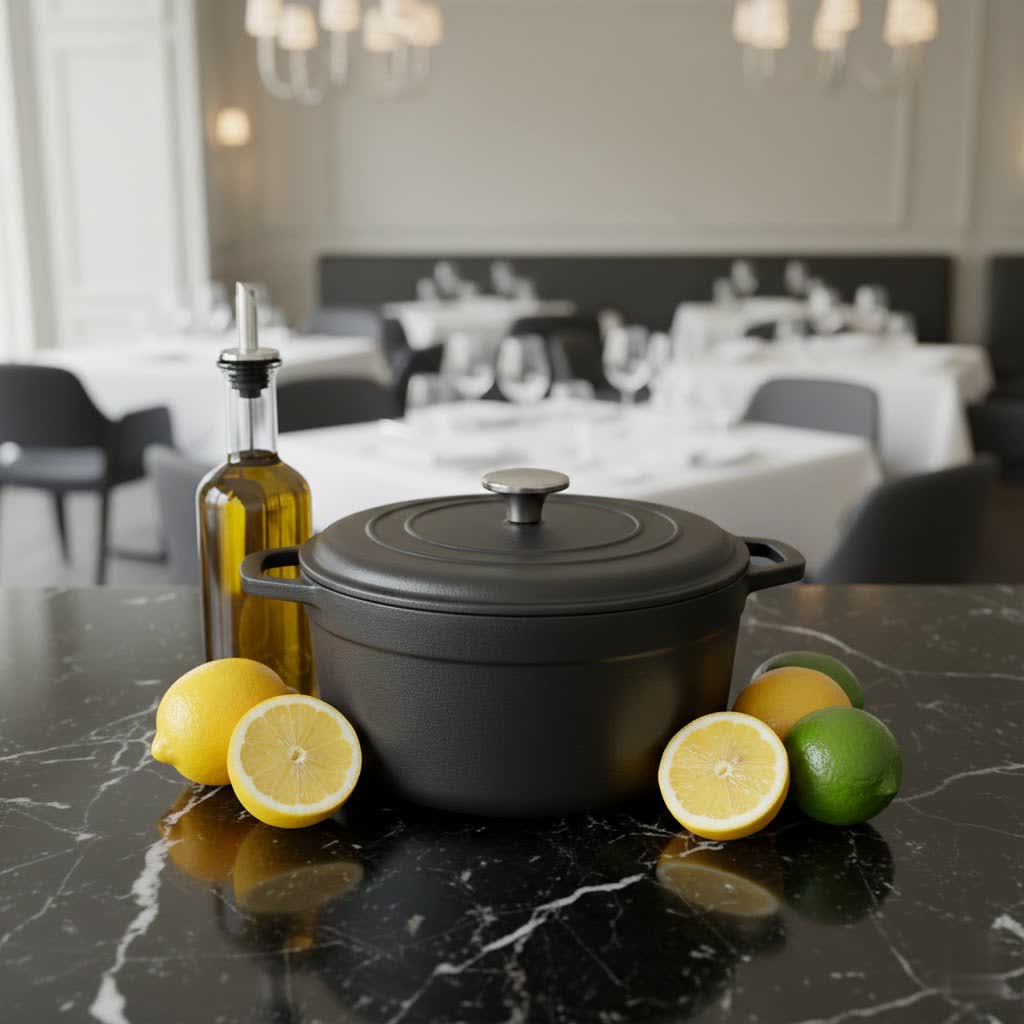
What is a Dutch Oven and Why the 2 Quart Size?
A Dutch oven is a thick-walled, heavy-duty cooking pot with a tight-fitting lid, traditionally made from cast iron. Renowned for its exceptional ability to retain and distribute heat evenly, it excels at a multitude of cooking techniques, from slow-cooking and braising to baking and deep-frying. Its robust construction creates a self-basting environment, locking in moisture and flavor, which is why it’s a favorite among professional chefs and home cooks alike.
The 2 quart Dutch oven, specifically, is a marvel of efficiency. While larger models are perfect for feeding a crowd, the 2 quart size is meticulously designed for smaller households, individual servings, or side dishes. It’s often considered the smallest truly useful size, making it perfect for preparing a cozy meal for one, an intimate dinner for two, or a delicious side dish for a small family. Its compact footprint ensures it fits comfortably on a single burner of a small stovetop and easily tucks away in limited cabinet space, making it an ideal choice for apartment living or minimalist kitchens. This size is all about maximizing flavor and performance in a convenient, manageable package.
Uncoated Cast Iron vs. Enameled Cast Iron Dutch Ovens: Which is Right for a 2-Quart?
When selecting your 2 quart Dutch oven, one of the most significant decisions you’ll face is the material: traditional uncoated cast iron or its enameled counterpart. Both offer the renowned heat retention of cast iron, but they come with distinct characteristics that cater to different cooking styles and maintenance preferences. Understanding these differences is key to choosing the best fit for your kitchen and your specific needs, especially when dealing with a smaller capacity pot.
Uncoated Cast Iron Dutch Ovens are the rustic workhorses of the kitchen.
- Advantages: They are incredibly durable, often lasting generations, and can withstand extremely high temperatures, including direct flames from a campfire or grill. They are typically more affordable and, with proper seasoning, develop a naturally non-stick surface.
- Disadvantages: Uncoated cast iron requires diligent seasoning and maintenance to prevent rust and maintain its non-stick properties. It can react with acidic foods, which may strip the seasoning or impart a metallic taste to your dish. Cleaning can also be more involved, often avoiding harsh soaps.
Enameled Cast Iron Dutch Ovens offer a blend of traditional performance with modern convenience.
- Advantages: The glass-like enamel coating provides a non-reactive, somewhat non-stick, and incredibly easy-to-clean surface. There’s no need for seasoning, and you can cook acidic ingredients like tomato sauces or wine-braised dishes without concern. Enameled models come in a stunning array of colors, making them attractive serveware straight from the oven to the table. They are resistant to rust and staining.
- Disadvantages: Enameled cast iron is generally more expensive than uncoated cast iron. While durable, the enamel can chip or crack if dropped or subjected to extreme thermal shock. It’s also not typically recommended for use over open flames or grills, as high, direct heat can damage the enamel. Metal utensils should be avoided to prevent scratching the surface.
Ultimately, the choice for your 2 quart Dutch oven depends on your priorities. If you value low maintenance, versatility with acidic foods, and aesthetic appeal, enameled cast iron is likely your best bet. If you prefer a more rugged, traditional pot that can handle outdoor cooking and don’t mind the seasoning process, uncoated cast iron could be ideal.
Detailed Comparison: Uncoated vs. Enameled 2 Quart Dutch Ovens
|
Our Picks for the Best Dutch Oven in 2026
As an Amazon Associate I earn from qualifying purchases.
|
||
| Num | Product | Action |
|---|---|---|
| 1 | Lodge 6 Quart Enameled Cast Iron Dutch Oven with Lid – Dual Handles – Oven Safe up to 500° F or on Stovetop - Use to Marinate, Cook, Bake, Refrigerate and Serve – Blue |

|
| 2 | HomeVSS 5.5-Quart Enameled Cast Iron Dutch Oven with Lid & Dual Handles – Heavy-Duty for Bread Baking, Braising, Stews, Roasting, Oven & Induction Compatible, Blue |
|
| 3 | HomeVSS 5.5-Quart Enameled Cast Iron Dutch Oven with Lid & Dual Handles – Heavy-Duty for Bread Baking, Braising, Stews, Roasting, Oven & Induction Compatible, Orange |
|
| 4 | Lodge 6 Quart Enameled Cast Iron Dutch Oven with Lid – Dual Handles, Oven Safe up to 500°F, Stovetop Compatible – Marinate, Cook, Bake, Refrigerate & Serve – Oyster White |
|
| 5 | Lodge 6 Quart Enameled Cast Iron Dutch Oven with Lid – Dual Handles – Oven Safe up to 500° F or on Stovetop - Use to Marinate, Cook, Bake, Refrigerate and Serve – Cornflower Blue |
|
| 6 | Lodge 6 Quart Enameled Cast Iron Dutch Oven with Lid – Dual Handles – Oven Safe up to 500° F or on Stovetop - Use to Marinate, Cook, Bake, Refrigerate and Serve – Avocado |
|
| 7 | HomeVSS 5.5-Quart Enameled Cast Iron Dutch Oven with Lid & Dual Handles – Heavy-Duty for Bread Baking, Braising, Stews, Roasting, Oven & Induction Compatible, Red |
|
| 8 | Lodge 6 Quart Enameled Cast Iron Dutch Oven with Lid – Dual Handles – Oven Safe up to 500° F or on Stovetop - Use to Marinate, Cook, Bake, Refrigerate and Serve – Cranberry |
|
| 9 | Lodge 6 Quart Enameled Cast Iron Dutch Oven with Lid – Dual Handles – Oven Safe up to 500° F or on Stovetop - Use to Marinate, Cook, Bake, Refrigerate and Serve – Apricot |
|
| 10 | Lodge 6 Quart Enameled Cast Iron Dutch Oven with Lid – Dual Handles – Oven Safe up to 500° F or on Stovetop - Use to Marinate, Cook, Bake, Refrigerate and Serve – Burnt Sienna |
|
| Feature | Uncoated Cast Iron (2 Quart) | Enameled Cast Iron (2 Quart) |
|---|---|---|
| Maintenance | Requires seasoning; prone to rust | No seasoning; easy to clean |
| Acidic Foods | Reactive; can strip seasoning | Non-reactive; safe for all foods |
| Durability | Extremely durable; less prone to chipping | Durable, but enamel can chip if mishandled |
| Heat Sources | Stove, oven, grill, open flame | Stove, oven |
| Aesthetics | Rustic, classic black | Wide range of colors; attractive |
| Price | Generally more affordable | Generally higher priced |
| Non-stick | Develops with proper seasoning | Inherently somewhat non-stick |
Choosing Your 2 Quart Dutch Oven: Key Factors
Selecting the perfect 2 quart Dutch oven goes beyond just material; several other factors contribute to its overall performance and user experience. When you’re investing in a piece of cookware that promises to last a lifetime, it’s worth considering all the details.
Size and Capacity
While we’re focusing on the 2 quart size, it’s important to reaffirm its ideal applications. A 2 quart Dutch oven is specifically excellent for single-serving meals, side dishes, sauces, dips, and small-batch baking. It’s the go-to for someone cooking for themselves, a couple, or preparing components of a larger meal. Don’t expect to roast a whole chicken, but do expect perfectly cooked grains, small stews, or a delightful sourdough boule. Its petite size means less food waste and more efficient heating for smaller portions.
Material Revisited
As discussed, your choice between uncoated and enameled cast iron will significantly impact maintenance and cooking versatility. For a 2 quart pot, the ease of cleaning and non-reactivity of enameled cast iron often makes it a popular choice for everyday cooking, especially since its small size naturally lends itself to diverse recipes that might include acidic ingredients. However, if you plan to take your small Dutch oven camping or prefer the traditional cast iron experience, an uncoated version is excellent.
Brand Reputation
Certain brands have built a formidable reputation in the Dutch oven market, known for their quality, durability, and performance.
- Le Creuset: Often regarded as the “Rolls Royce” of enameled cast iron, Le Creuset offers exceptional heat retention, even cooking, and a stunning array of colors. Their 2 quart models are highly sought after for their heirloom quality and performance.
- Lodge: A trusted American brand, Lodge offers excellent value in both uncoated and enameled cast iron. Their products are robust, reliable, and more budget-friendly, making them a great entry point into Dutch oven cooking.
- Staub: Another premium French brand, Staub is known for its heavy, tight-fitting lids with self-basting spikes, which are fantastic for moisture retention. Their enameled interiors are often dark, which some cooks prefer for searing.
- Amazon Basics: For those on a tight budget, brands like Amazon Basics offer surprisingly decent performance for their price, especially for simple tasks.
Lid and Handles
A tight-fitting lid is crucial for a Dutch oven, as it seals in moisture and heat, creating the ideal environment for slow-cooking and braising. Some lids feature self-basting nubs or rings on the interior to ensure moisture is continuously returned to the food. For handles, wider, sturdy handles are preferable, especially when moving a hot, heavy pot from the stovetop to the oven. They provide a secure grip, even when using oven mitts. The knob on the lid should also be oven-safe to high temperatures.
Top Uses and Recipes for Your 2 Quart Dutch Oven
Don’t let the compact size of a 2 quart Dutch oven fool you; it’s an incredibly versatile piece of cookware that can handle a surprising array of dishes. It’s perfectly suited for scaling down your favorite recipes or exploring new culinary delights designed for smaller portions.
Everyday Meals for 1-2
Your 2 quart Dutch oven truly shines when preparing meals for one or two people. Its ability to maintain even, consistent heat is perfect for delicate and hearty dishes alike.
- Soups and Stews: Ideal for small batches of chicken noodle soup, creamy tomato soup, or a hearty beef stew. The tight lid locks in aromatics and moisture, creating deeply flavored results.
- Rice and Grains: Achieve perfectly cooked rice, quinoa, or farro without scorching. The even heat distribution prevents hot spots, ensuring every grain is cooked just right.
- Curries and Chili: Prepare individual portions of rich curries or a spicy chili. It’s also excellent for simmering beans from scratch, yielding tender results.
- Sauces: From béchamel to marinara, the 2 quart size is perfect for creating exquisite sauces that require steady, gentle simmering.
Small-Batch Baking
Believe it or not, your small Dutch oven is a fantastic baking companion.
- No-Knead Bread: Many popular no-knead bread recipes are easily scaled down for a 2 quart Dutch oven, yielding a beautiful, crusty small loaf perfect for a single person or small family. The trapped steam creates an ideal environment for a perfect crust.
- Baked Mac and Cheese: Craft a rich, creamy baked mac and cheese for a cozy night in. The Dutch oven ensures even heating and a golden, bubbly top.
- Cobblers and Crumbles: Bake individual fruit cobblers or crisps for a comforting dessert.
Deep Frying (with Caution)
While larger Dutch ovens are often preferred for deep frying, a 2 quart model can be used for small-batch frying if done carefully.
- Fried Chicken Thighs/Wings: You can fry a couple of chicken thighs or wings at a time, ensuring enough oil is used to submerge the food without overcrowding.
- Smaller Items: Think homemade potato wedges or crispy fried pickles.
- Caution: Always ensure there’s ample space for oil displacement when adding food to prevent overflow. Use a thermometer to monitor oil temperature and exercise extreme caution with hot oil.
> “The 2 quart Dutch oven is an unsung hero for efficient cooking. It empowers single cooks and small households to enjoy the rich flavors and versatility typically associated with larger, more demanding cookware.” – A Culinary Appliance Specialist
Care and Maintenance for Longevity
Proper care is paramount for any Dutch oven, ensuring it remains a cherished piece of cookware for years to come. The maintenance routine largely depends on whether you have an uncoated or enameled 2 quart Dutch oven.
Uncoated Cast Iron
- Seasoning: Before first use, and periodically thereafter, your uncoated cast iron Dutch oven needs to be seasoned. This involves applying a thin layer of cooking oil and baking it at a high temperature to create a natural, non-stick, rust-resistant layer.
- Cleaning: After each use, scrape out any food residue with a spatula. Wash by hand with hot water and a stiff brush or non-abrasive scrubber. Avoid soap if possible, as it can strip seasoning, or use it sparingly. Dry immediately and thoroughly to prevent rust, then apply a thin layer of oil before storing.
- Storage: Store in a dry place. You can place a paper towel inside to absorb any moisture and prevent rust.
Enameled Cast Iron
- Initial Use: Enameled Dutch ovens do not require seasoning before first use. Wash with warm, soapy water.
- Cleaning: Enameled cast iron is remarkably easy to clean. Allow the pot to cool completely, then wash with warm, soapy water and a sponge or soft brush. For stubborn food residue, you can soak it with warm, soapy water for a bit, or gently scrub with a non-abrasive pad. Avoid harsh chemicals, abrasive cleaners, and metal scouring pads which can scratch or chip the enamel.
- Protection: Avoid using metal utensils directly on the enamel surface to prevent scratching. Silicone, wood, or nylon utensils are best. Always ensure the pot contains some liquid or food when heating to prevent thermal shock and damage to the enamel.
- Storage: Store with care to prevent chipping. You can place a pan protector or a paper towel between the lid and the pot to prevent scratches.
General Tips
- Preheating: Always preheat your Dutch oven gradually, especially enameled ones, to prevent thermal shock.
- Temperature Limits: Be aware of the manufacturer’s maximum oven-safe temperature for your specific Dutch oven, especially the lid knob.
- Gentle Handling: Despite their robust appearance, Dutch ovens are heavy. Handle with care to avoid dropping, which can cause chips or cracks, particularly with enameled versions.
Where to Buy Your 2 Quart Dutch Oven
Finding the right 2 quart Dutch oven is easier than ever, with numerous options available both in brick-and-mortar stores and online. Your choice of retailer can often depend on whether you prioritize seeing the product in person, comparing prices, or accessing a wider selection.
- Department Stores and Home Goods Retailers: Stores like Macy’s, Williams Sonoma, Sur La Table, or even larger home goods sections in stores like Target or Walmart, often carry a selection of Dutch ovens, including smaller sizes. This allows you to physically inspect the pot, feel its weight, and check the quality of the enamel or casting. You can also benefit from sales and knowledgeable staff.
- Specialty Cookware Stores: Dedicated kitchenware shops are excellent places to find high-end brands like Le Creuset and Staub, often with a wider range of colors and sizes. The staff typically has deep product knowledge and can offer personalized recommendations.
- Online Marketplaces: Websites like Amazon, Wayfair, or the direct websites of brands like Lodge, Le Creuset, or Staub, offer the broadest selection and competitive pricing. Shopping online allows you to read numerous reviews, compare different models side-by-side, and often find deals that might not be available in physical stores. However, you can’t inspect the product before purchase, so relying on detailed descriptions and customer feedback is key.
- Thrift Stores and Estate Sales: For the adventurous and budget-conscious, vintage uncoated cast iron Dutch ovens can sometimes be found at thrift stores or estate sales. These often require significant cleaning and re-seasoning but can be incredibly durable and cost-effective finds.
When buying online, always verify the retailer’s return policy and warranty information. Look for trusted sellers to ensure you’re getting an authentic product, especially when purchasing higher-end brands.
Conclusion
The 2 quart Dutch oven is far more than just a piece of cookware; it’s a smart investment for anyone looking to optimize their kitchen, perfect for compact spaces, individual culinary adventures, or intimate meals for two. Whether you opt for the classic ruggedness of uncoated cast iron or the vibrant, low-maintenance charm of enameled cast iron, this versatile pot promises to elevate your cooking with its exceptional heat retention and even cooking. From simmering flavorful soups to baking crusty miniature loaves of bread, the possibilities are endless with this essential kitchen companion. Embrace the efficiency and culinary excellence a 2 quart Dutch oven brings to your home. What delicious creation will you whip up first in your new favorite pot?
Frequently Asked Questions
Is a 2 quart Dutch oven too small for most recipes?
A 2 quart Dutch oven is ideal for single servings, meals for two, or preparing side dishes. While it’s not suitable for large family meals or roasting whole poultry, it excels at recipes like rice, small batches of soup, stew, curry, and even baking small loaves of bread, making it incredibly versatile for smaller households.
Can I bake bread in a 2 quart Dutch oven?
Yes, a 2 quart Dutch oven is perfect for baking small, individual-sized no-knead bread loaves. Its ability to trap steam creates an ideal environment for a beautifully crispy crust and a perfectly cooked interior, making it a favorite for artisan-style bread for one or two.
What are the best brands for a small 2 quart Dutch oven?
Renowned brands like Le Creuset and Lodge offer high-quality 2 quart Dutch ovens. Le Creuset is celebrated for its premium enameled cast iron, while Lodge provides excellent, durable options in both uncoated and enameled finishes at a more accessible price point.
How do I clean an enameled 2 quart Dutch oven?
Allow your enameled Dutch oven to cool completely before washing it with warm, soapy water and a soft sponge or brush. Avoid abrasive cleaners, metal scouring pads, or harsh chemicals, as these can damage the enamel surface. For stubborn food, a gentle soak can often loosen residue.
