Are you ready to transform your cooking and unlock a world of rich flavors and tender dishes? A Dutch oven, an iconic piece of cookware, is more than just a pot; it’s a versatile culinary workhorse that can elevate everything from weeknight stews to artisan bread. With over a decade of hands-on experience testing and reviewing these kitchen essentials, I’m here to share honest, practical insights to help you find the perfect Dutch oven for your culinary adventures. Let’s dive into the robust world of Dutch ovens and discover your ideal kitchen companion!
What is a Dutch Oven? Why You Need One?
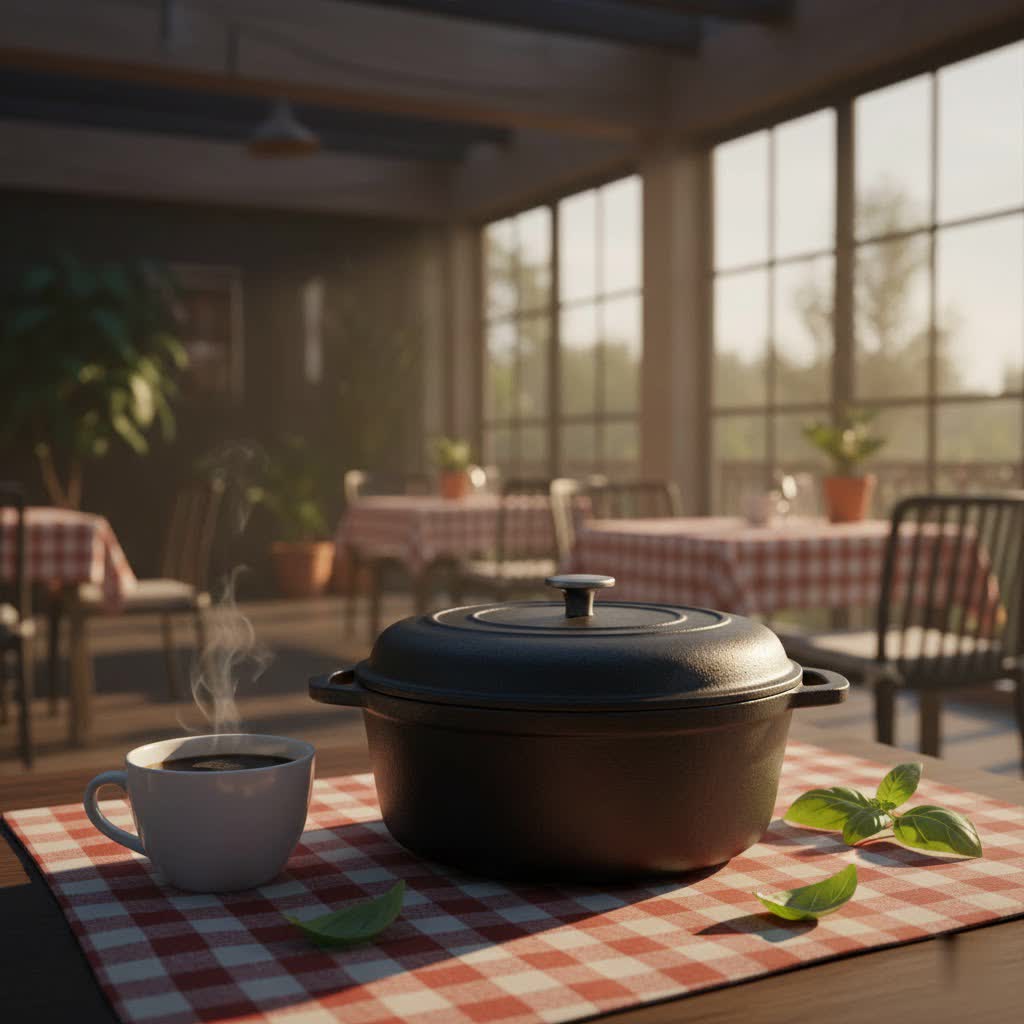
A Dutch oven is a heavy, thick-walled cooking pot with a tight-fitting lid, traditionally made from cast iron. Its unique design and material allow it to retain and distribute heat exceptionally well, making it ideal for a wide range of cooking methods. The history of the Dutch oven dates back centuries, evolving from simple cast iron pots used over open fires to the refined, enameled versions popular in modern kitchens today.
The primary advantage of using a Dutch oven lies in its superior heat retention and even heat distribution. This means your food cooks consistently, whether you’re simmering a delicate sauce or braising a tough cut of meat. The heavy lid creates a self-basting environment, trapping moisture and flavors within the pot, resulting in incredibly tender and flavorful meals. From searing and frying to slow-cooking and baking, a Dutch oven simplifies complex recipes and yields professional-level results with minimal effort.
Types of Dutch Ovens: Which One Suits Your Style?
Dutch ovens come in various materials, each offering distinct benefits and considerations. Understanding these differences is key to choosing the best fit for your cooking needs and lifestyle.
Cast Iron Dutch Oven (Bare)
Traditional bare cast iron Dutch ovens are renowned for their rugged durability and exceptional heat properties. They are often a favorite for camping and outdoor cooking due to their ability to withstand direct heat from open flames.
- Pros: Outstanding heat retention, virtually indestructible if cared for, can be used on any heat source including campfires, develops a natural non-stick surface with proper seasoning, generally more affordable.
- Cons: Very heavy, requires regular seasoning to prevent rust and maintain its non-stick properties, can react with acidic foods if not well-seasoned, needs careful hand-washing without harsh detergents.
|
Our Picks for the Best Dutch Oven in 2026
As an Amazon Associate I earn from qualifying purchases.
|
||
| Num | Product | Action |
|---|---|---|
| 1 | HomeVSS 5.5-Quart Enameled Cast Iron Dutch Oven with Lid & Dual Handles – Heavy-Duty for Bread Baking, Braising, Stews, Roasting, Oven & Induction Compatible, Red |

|
| 2 | Lodge 6 Quart Enameled Cast Iron Dutch Oven with Lid – Dual Handles – Oven Safe up to 500° F or on Stovetop - Use to Marinate, Cook, Bake, Refrigerate and Serve – Burnt Sienna |
|
| 3 | Lodge 6 Quart Enameled Cast Iron Dutch Oven with Lid – Dual Handles – Oven Safe up to 500° F or on Stovetop - Use to Marinate, Cook, Bake, Refrigerate and Serve – Avocado |
|
| 4 | HomeVSS 5.5-Quart Enameled Cast Iron Dutch Oven with Lid & Dual Handles – Heavy-Duty for Bread Baking, Braising, Stews, Roasting, Oven & Induction Compatible, Blue |
|
| 5 | Lodge 6 Quart Enameled Cast Iron Dutch Oven with Lid – Dual Handles – Oven Safe up to 500° F or on Stovetop - Use to Marinate, Cook, Bake, Refrigerate and Serve – Cranberry |
|
| 6 | HomeVSS 5.5-Quart Enameled Cast Iron Dutch Oven with Lid & Dual Handles – Heavy-Duty for Bread Baking, Braising, Stews, Roasting, Oven & Induction Compatible, Orange |
|
| 7 | Lodge 6 Quart Enameled Cast Iron Dutch Oven with Lid – Dual Handles – Oven Safe up to 500° F or on Stovetop - Use to Marinate, Cook, Bake, Refrigerate and Serve – Cornflower Blue |
|
| 8 | Lodge 6 Quart Enameled Cast Iron Dutch Oven with Lid – Dual Handles, Oven Safe up to 500°F, Stovetop Compatible – Marinate, Cook, Bake, Refrigerate & Serve – Oyster White |
|
| 9 | Lodge 6 Quart Enameled Cast Iron Dutch Oven with Lid – Dual Handles – Oven Safe up to 500° F or on Stovetop - Use to Marinate, Cook, Bake, Refrigerate and Serve – Apricot |
|
| 10 | Lodge 6 Quart Enameled Cast Iron Dutch Oven with Lid – Dual Handles – Oven Safe up to 500° F or on Stovetop - Use to Marinate, Cook, Bake, Refrigerate and Serve – Blue |
|
Enameled Cast Iron Dutch Oven
Enameled cast iron Dutch ovens combine the heat benefits of cast iron with the convenience of a non-reactive, easy-to-clean surface. These are often seen as the go-to choice for home cooks due to their versatility and aesthetic appeal.
- Pros: Excellent heat retention and even cooking, non-reactive surface (safe for acidic ingredients), easy to clean, comes in a vast array of colors and designs, no seasoning required.
- Cons: Still heavy, enamel can chip or crack if dropped or exposed to sudden temperature changes, typically more expensive than bare cast iron, requires non-abrasive utensils to protect the enamel.
Aluminum Dutch Oven
While less common for traditional “Dutch oven” applications, some lighter-weight options are made from aluminum, often hard-anodized or coated for durability and non-stick properties.
- Pros: Lightweight and easy to handle, heats up quickly.
- Cons: Does not retain heat as effectively as cast iron, potentially less durable, may not be suitable for all high-heat applications. These are generally not considered true Dutch ovens by purists due to their heat retention limitations.
Ceramic Dutch Oven
Made from high-fired clay, ceramic Dutch ovens offer a lightweight alternative with pleasing aesthetics. They are non-reactive and often free from PFOA and PTFE.
- Pros: Lighter than cast iron, non-reactive, resistant to thermal shock, often appealing design.
- Cons: More prone to chipping and breakage than cast iron, not all ceramic cookware is designed for direct stovetop heat (check manufacturer specifications).
Detailed Comparison of Dutch Oven Types
| Feature | Cast Iron (Bare) | Enameled Cast Iron | Aluminum (Coated) |
|---|---|---|---|
| Heat Retention | Excellent | Excellent | Moderate |
| Durability | Very High | High (enamel can chip) | Moderate |
| Cleaning | Difficult (no harsh soap) | Easy (mild soap, sponge) | Easy |
| Weight | Heavy | Heavy | Light |
| Price | Medium | High | Low to Medium |
| Seasoning | Required | Not required | Not required (coated) |
| Acidity | Can react (if not well-seasoned) | Non-reactive | Non-reactive (coated) |
| Aesthetics | Rustic | Wide range of colors/styles | Modern |
How to Choose the Right Dutch Oven: Key Factors
Selecting the perfect Dutch oven involves considering several important factors that align with your cooking habits and kitchen needs.
- Size and Capacity: The most versatile size for a Dutch oven typically ranges from 5.5 to 7 quarts, which is suitable for family meals, roasting a whole chicken, or preparing large batches of stew. Smaller sizes (2-4 quarts) are great for side dishes, baking bread, or serving 1-2 people, while larger models (8+ quarts) are perfect for entertaining or bulk cooking. Consider the number of people you typically cook for and the types of dishes you envision making.
- Material: Your choice of material – bare cast iron or enameled cast iron – dictates maintenance and versatility. Enameled cast iron is favored for its ease of use and aesthetics, while bare cast iron is chosen for its ruggedness and camping suitability.
- Brand Reputation: Established brands like Le Creuset, Staub, and Lodge are known for their quality and durability. While they can be an investment, their performance and longevity often justify the cost. However, many budget-friendly options also offer excellent value.
- Lid Design: A tight-fitting lid is crucial for trapping moisture and flavors. Some lids are domed to promote moisture circulation, while others, like Staub’s, feature self-basting spikes for even moisture distribution. For camping, a flat lid with a rim is ideal for holding coals.
- Handles: Look for sturdy, large loop handles that provide a secure grip, especially when lifting a heavy pot filled with food, even with oven mitts on. Ensure they are comfortable and oven-safe.
Top Dutch Ovens Favored by Home Cooks and Experts
When it comes to top-performing Dutch ovens, a few brands consistently stand out for their quality, durability, and cooking prowess.
- Le Creuset Enameled Cast Iron Dutch Oven: Often considered the gold standard, Le Creuset is celebrated for its exquisite craftsmanship, vibrant color options, and relatively lighter weight compared to other premium brands. Its sand-colored interior enamel makes it easy to monitor browning. It excels in even heat distribution and retention, perfect for everything from delicate sauces to hearty braises. Many users report these as heirloom pieces, lasting generations.
- Staub Enameled Cast Iron Cocotte: Staub is another top-tier choice, renowned for its superior moisture retention, largely thanks to its unique self-basting spiked lid design. This feature ensures that condensation drips back onto the food, keeping dishes exceptionally moist. Staub cocottes typically have a dark, matte interior enamel that mimics bare cast iron’s seasoning properties, becoming more non-stick over time and better at hiding stains or scratches.
- Lodge Cast Iron Dutch Oven (Bare & Enameled): For those seeking excellent performance without the premium price tag, Lodge offers robust and reliable Dutch ovens in both bare and enameled cast iron. Their bare cast iron models are a fantastic entry point for traditionalists and campers, offering exceptional heat retention and durability. Lodge’s enameled versions provide a quality alternative to higher-end brands, making them an excellent value choice for everyday cooking.
How to Use and Care for Your Dutch Oven
Proper use and maintenance are essential to ensure your Dutch oven lasts a lifetime and performs at its best.
Seasoning a Bare Cast Iron Dutch Oven
Seasoning is the process of baking thin layers of oil onto cast iron, creating a natural, non-stick, rust-resistant surface.
- Clean Thoroughly: Wash your Dutch oven with warm, soapy water and a stiff brush to remove any residue. Dry it completely on the stovetop over low heat.
- Apply Oil: Apply a very thin, even coat of high smoke point cooking oil (like vegetable, canola, or flaxseed oil) to all surfaces – inside, outside, and the lid. Wipe off any excess; the layer should be barely visible.
- Bake: Place the Dutch oven upside down on the middle rack of a preheated oven (400-450°F or 200-230°C). Place aluminum foil or a baking sheet on the rack below to catch any drips. Bake for one hour.
- Cool Slowly: Turn off the oven and let the Dutch oven cool completely inside.
- Repeat: For best results, repeat the seasoning process 2-4 times to build a strong, durable layer.
Cleaning Your Dutch Oven Correctly
- Bare Cast Iron: After cooking, clean immediately. Scrape out any food residue. Wash with hot water and a brush or sponge. Avoid soap if possible, or use a minimal amount, as it can strip seasoning. For stubborn food, use coarse salt as an abrasive with a little water. Dry thoroughly immediately after washing to prevent rust, then apply a very thin coat of oil before storing.
- Enameled Cast Iron: Allow the pot to cool before washing. Use warm, soapy water and a soft sponge or cloth. For stuck-on food, soak the pot in warm, soapy water for 15-20 minutes, then gently scrub. Avoid abrasive cleaners, metal scouring pads, or harsh chemicals which can damage the enamel. Most enameled Dutch ovens are dishwasher-safe, but hand washing is recommended to preserve the finish.
Storing Your Dutch Oven
Store your Dutch oven in a dry place. For bare cast iron, a light layer of oil before storage will prevent rust. For both types, placing a paper towel between the pot and the lid can help absorb moisture and prevent odors.
Delicious Cooking Tips with Your Dutch Oven
The versatility of a Dutch oven makes it an indispensable tool for countless recipes.
- Hearty Stews and Braises: The heavy construction and tight-fitting lid are perfect for slow-cooking tough cuts of meat and vegetables into tender, flavorful stews and braises. Sear your meat first to build a rich flavor base before adding liquids and simmering.
- Roasts: Achieve beautifully browned exteriors and moist interiors for whole chickens, pot roasts, or other large cuts of meat by roasting them in the oven.
- Baking Artisan Bread: Dutch ovens create a steamy environment similar to a professional bread oven, producing loaves with a crispy crust and soft, chewy interior. Place your dough into a preheated Dutch oven and bake with the lid on, then remove the lid for the final browning.
- Soups and Sauces: The even heat distribution prevents scorching, allowing you to simmer soups and sauces for extended periods, deepening their flavors.
- Deep Frying: The cast iron’s ability to maintain a consistent high temperature makes Dutch ovens excellent for deep-frying crispy chicken, donuts, or other treats.
“A well-cared-for Dutch oven is more than just a kitchen tool; it’s a legacy. It becomes infused with the memories of countless meals, a silent testament to gatherings and good food.” – Chef Antoine Dubois, Culinary Historian
Where to Purchase a Reliable Dutch Oven
Finding a quality Dutch oven is easier than ever with many reputable retailers offering a wide selection.
- Specialty Kitchen Stores: Stores like Williams Sonoma or Sur La Table often carry high-end brands like Le Creuset and Staub, allowing you to see and feel the products before purchasing.
- Department Stores: Major department stores (e.g., Macy’s, Kohl’s) typically stock a range of brands, including Lodge and Cuisinart, often with competitive pricing and sales.
- Online Retailers: Websites like Amazon, Target, and the official brand websites (Lodge, Le Creuset, Staub) offer the widest selection and convenience. Be sure to read reviews and check seller authenticity when buying online.
- Secondhand Stores: With proper restoration, vintage cast iron Dutch ovens can be fantastic finds at antique shops or thrift stores.
When buying online, always verify the seller’s reputation and return policy. Look for detailed product descriptions and customer reviews to ensure you’re getting a genuine, high-quality item.
Conclusion
The Dutch oven is a testament to timeless design and culinary utility, proving its worth as an essential in any kitchen. Its unmatched ability to retain and distribute heat ensures delicious, evenly cooked meals, while its robust construction promises a lifetime of use. Whether you opt for the classic ruggedness of bare cast iron or the vibrant convenience of enameled, investing in a Dutch oven means investing in a lifetime of flavorful possibilities. With the right care and techniques, this versatile pot will become your go-to for everything from slow-cooked stews to artisanal bread. So, are you ready to unlock the full potential of your kitchen with a Dutch oven?
Frequently Asked Questions
What size Dutch oven is best for a family of four?
For a family of four, a 5.5 to 7-quart Dutch oven is generally recommended. This size offers enough capacity for roasting a whole chicken, preparing large stews, or baking bread, providing excellent versatility for everyday cooking.
Can I use a Dutch oven on an induction cooktop?
Yes, most Dutch ovens, particularly those made from cast iron (bare or enameled), are compatible with induction cooktops. Induction technology works with ferrous metals, making cast iron an ideal material for these stovetops.
How do I prevent food from sticking in my Dutch oven?
For enameled Dutch ovens, always use some oil or butter and preheat the pot adequately before adding food. For bare cast iron, a well-seasoned surface and sufficient oil will prevent sticking. Avoid overcrowding the pot, especially when searing.
Is it safe to put a Dutch oven in the dishwasher?
While some enameled cast iron Dutch ovens are technically dishwasher-safe, hand washing is generally recommended. Dishwashers can be harsh on the enamel over time, potentially leading to dullness or chipping. Bare cast iron should never go in a dishwasher, as it will strip the seasoning and cause rust.
What’s the difference between a Dutch oven and a slow cooker?
A Dutch oven is a versatile pot that can go from stovetop to oven, allowing for searing, braising, baking, and slow simmering. A slow cooker (Crock-Pot) is an electric appliance designed specifically for low-and-slow cooking, with less versatility for other cooking methods like searing or high-temperature baking.
Can I use metal utensils in my enameled Dutch oven?
It’s best to avoid metal utensils in enameled Dutch ovens. Metal can scratch or chip the enamel surface, compromising its non-stick properties and aesthetic. Silicone, wooden, or nylon utensils are recommended to protect the interior.
